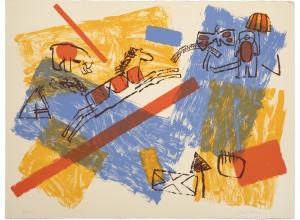


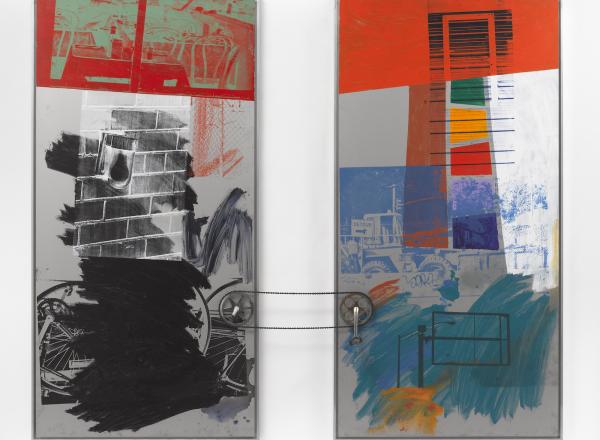
Robert Rauschenberg: Channel Surfing traces the artist’s creation of a visual language that addresses fundamental transformations in media culture in the late 20th-century, a period marked by the apotheosis of television and the emergence of the internet.
Art News
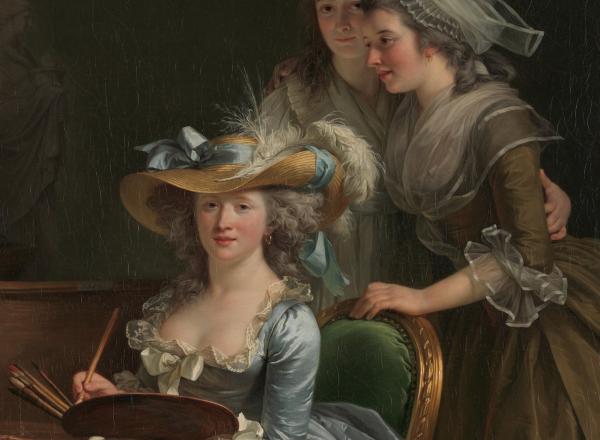
This self-portrait, exhibited in Paris in 1895, came with a caption from an unnamed male art critic noting that “this woman” often had critics assume the work had been painted by a man, because no woman would have been capable of this quality of painting.

When Yayoi Kusama established herself in New York City in 1958, the first thing she did was visit the Empire State Building. She climbed the landmark, looked out at the astonishing city, and, as she recalled in an earlier interview republished with Artspace, “aspired to grab everything that went on in the city and become a star.
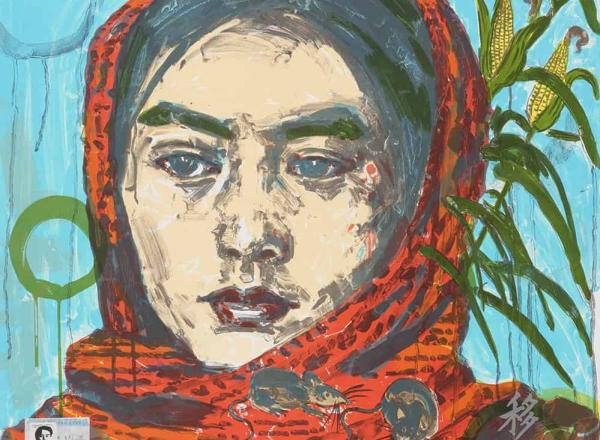
This major exhibition features the cosmopolitan, exuberant and subtly subversive work of fifteen artists of Asian heritage who are adept at crossing borders—not only physical ones but also those in media, styles, genre, and materials. Global Asias is the first large-scale exhibition to highlight the impressive scope and diversity of the Jordan Schnitzer Foundation’s collection of contemporary Asian and Asian American art.
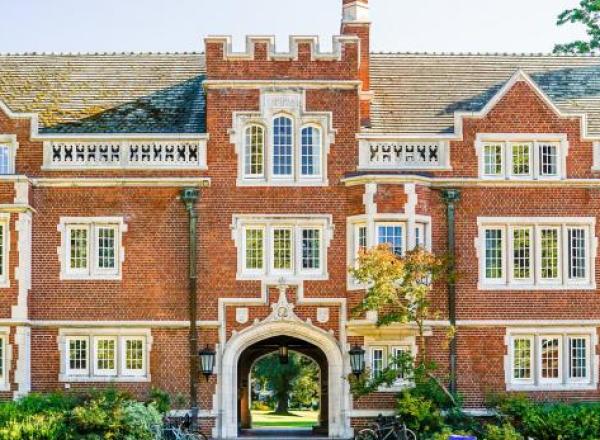
This installment of Art & Object's top art schools series showcases the best art schools of the West.

Andrew Jones Auctions will present the first in a series of special auction events on October 24 for “The John Nelson Collection.” This string of sales will be a celebration of the unerring eye of John Nelson, who passed away earlier this year.

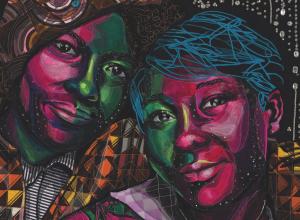
On September 28, Bonhams will offer the Collection of Dr. Sarah Gray, which comprises a wonderful selection of prints and original media by African American artists. Dr. Sarah Gray was a member of the UC Davis Department of Human Physiology for nearly forty years, standing as the sole African American woman on staff.
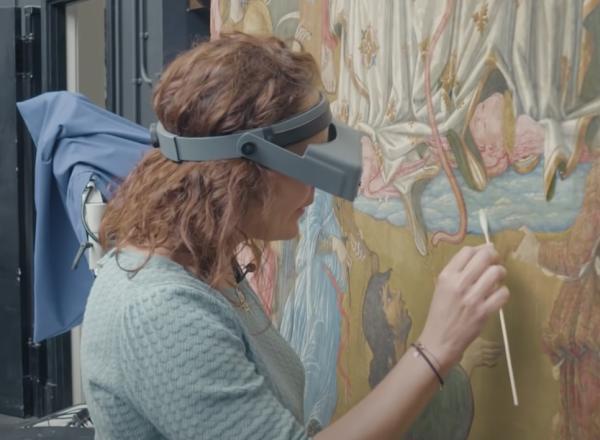
The National Gallery's Britta New and Nelly von Aderkas discuss the cleaning of a Renaissance altarpiece that was hidden in an Italian wood store for many years.
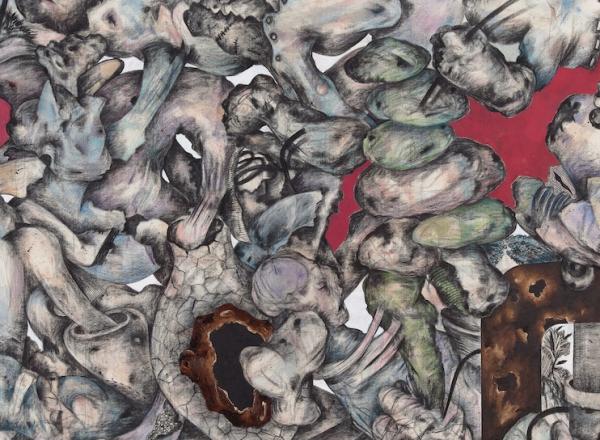
When it opens in its new location at the Javits Center on September 9, The Armory Show will have close to 200 exhibitors—more than it had last year.
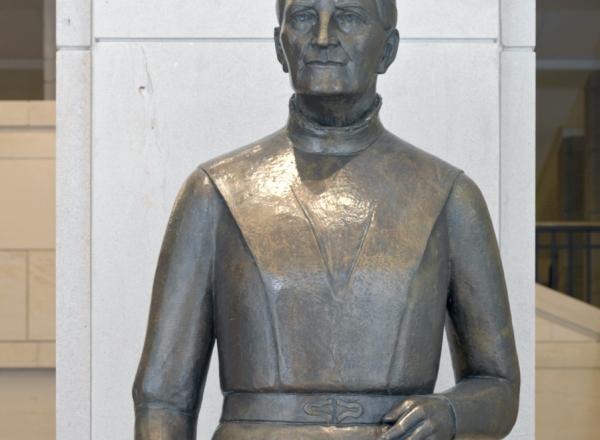
In the U.S. Capitol, amidst the statues of controversial politicians and military figures that protestors stormed past in January, stand several statues of quiet American heroes and heroines who are testaments to our country’s ability to change for the better.