
Fair  December 10, 2025

The ADAA’s New Fair Reframes Art Philanthropy

WikiCommons, Ajay Suresh

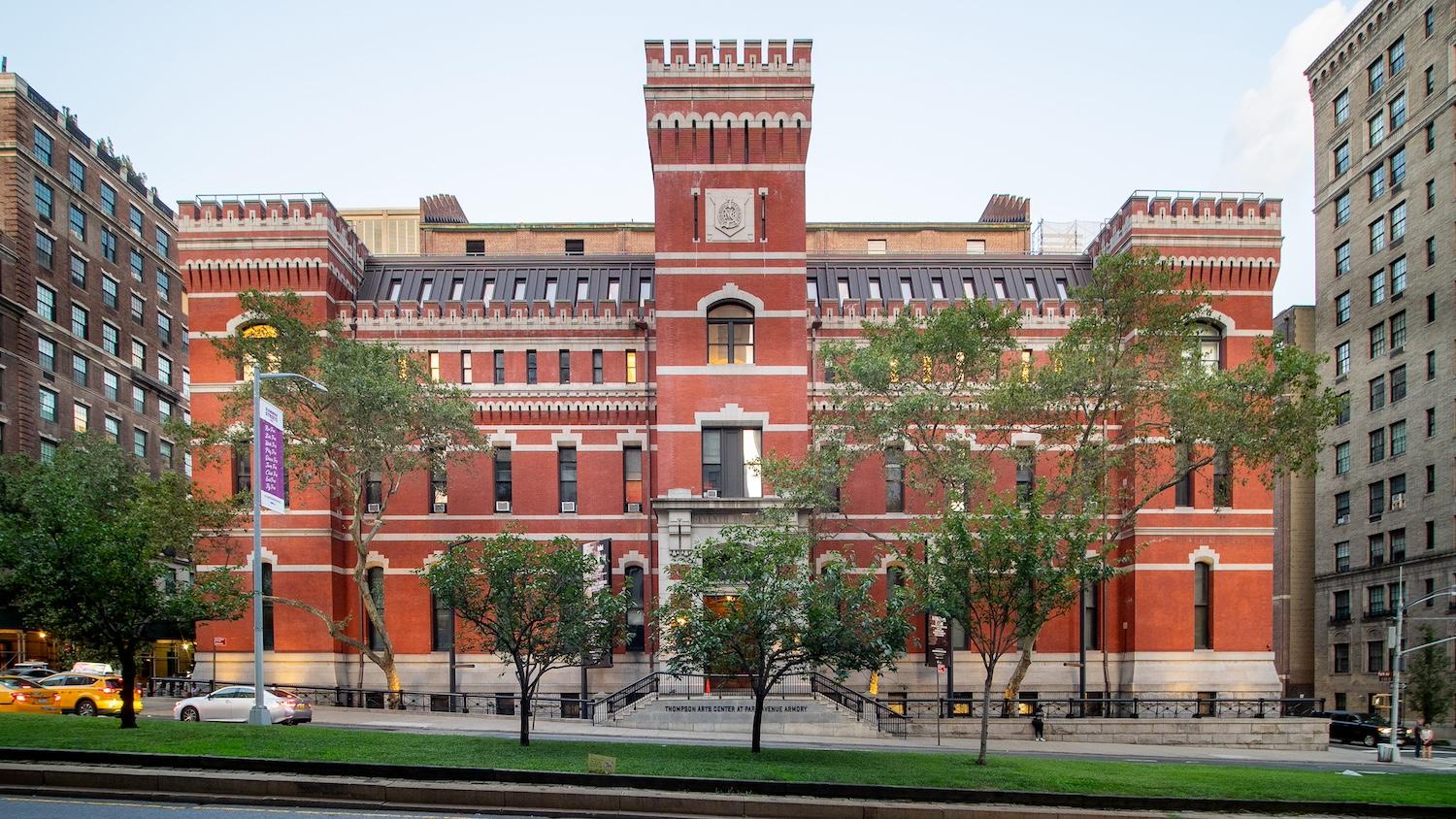
Seventh Regiment Armory - Park Avenue Armory - Front,, Upper East Side, Manhattan, New York. License

The Art Dealers Association of America’s (ADAA) decision to shutter The Art Show and launch a new fair in November 2026 marks a quiet end to one of the art world’s longest-running philanthropic partnerships. ADAA Fair will assume the original show’s home in New York’s Park Avenue Armory and channel proceeds to both the organization’s own grantmaking activities and museums and cultural organizations across the country.

As a co-founder of The Art Show in 1989, Henry Street Settlement has depended on the proceeds from its gala preview nights to support more than 50 programs for underserved New York residents. For the past 36 years, those previews raised more than $38 million in unrestricted funds, the kind of flexible financing nonprofits desperately need to maintain operations amidst federal funding cuts. Henry Street Settlement responded with a virtual fundraising campaign that generated about half of the typical gala revenue. 

WikiCommons

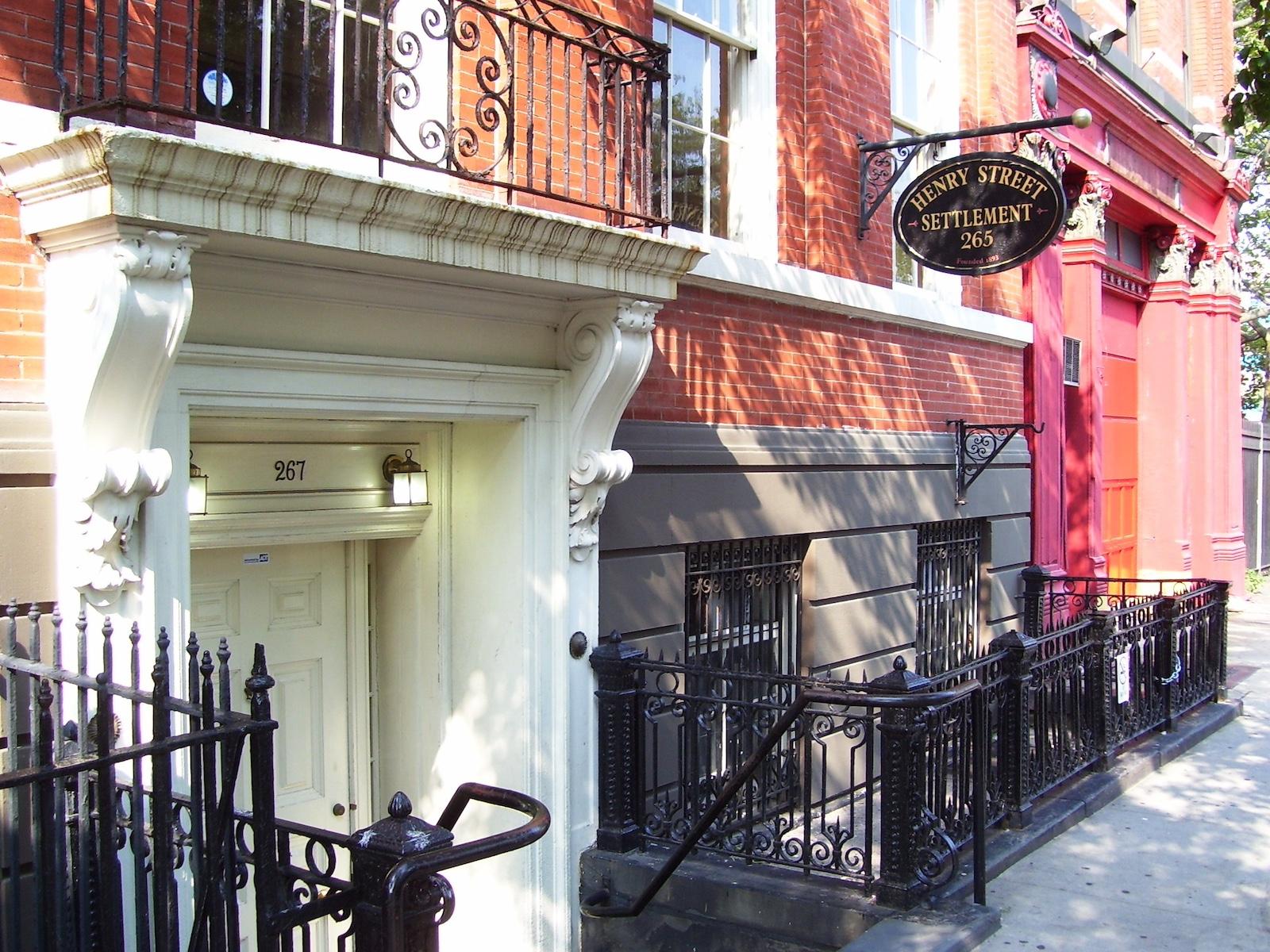
Henry Street Settlement sign and entrance from the west. License

In October, the nonprofit secured a new partnership with Independent Art Fair, an annual show held on Pier 36 in Manhattan that is focused on contemporary art. Independent has been facilitating shows for emerging gallery-represented artists since its founding in 2010. Proceeds from the event will help Henry Street Settlement bridge the gap left by cuts to initiatives like a USDA program providing produce to low-income New York families.

The new ADAA Fair will offer support for the ADAA Foundation, which was established in 1970 to fund art historical research and exhibition development. It is primarily funded by donations from ADAA’s approximately 200 gallery members from almost 40 states. Grant recipients in 2025 included Inner-City Arts in Los Angeles and the Museum of Contemporary Art Detroit. 

This reprioritization of internal grantmaking over external partnerships reflects broader art market struggles: many galleries have moved away from brick-and-mortar operations to online ones, auction sales have faltered under pressure from tariffs and economic uncertainty, and buying patterns have shifted. ADAA’s Fair is also not the only art show to partner with an associated foundation. For example, the International Fine Print Dealers Association (IFPDA) Print Fair’s ticket sales benefit the IFPDA Foundation, which supports print and drawing exhibitions and educational programs. It is similarly held in the Park Avenue Armory.
WikiCommons, Kenneth C. Zirkel

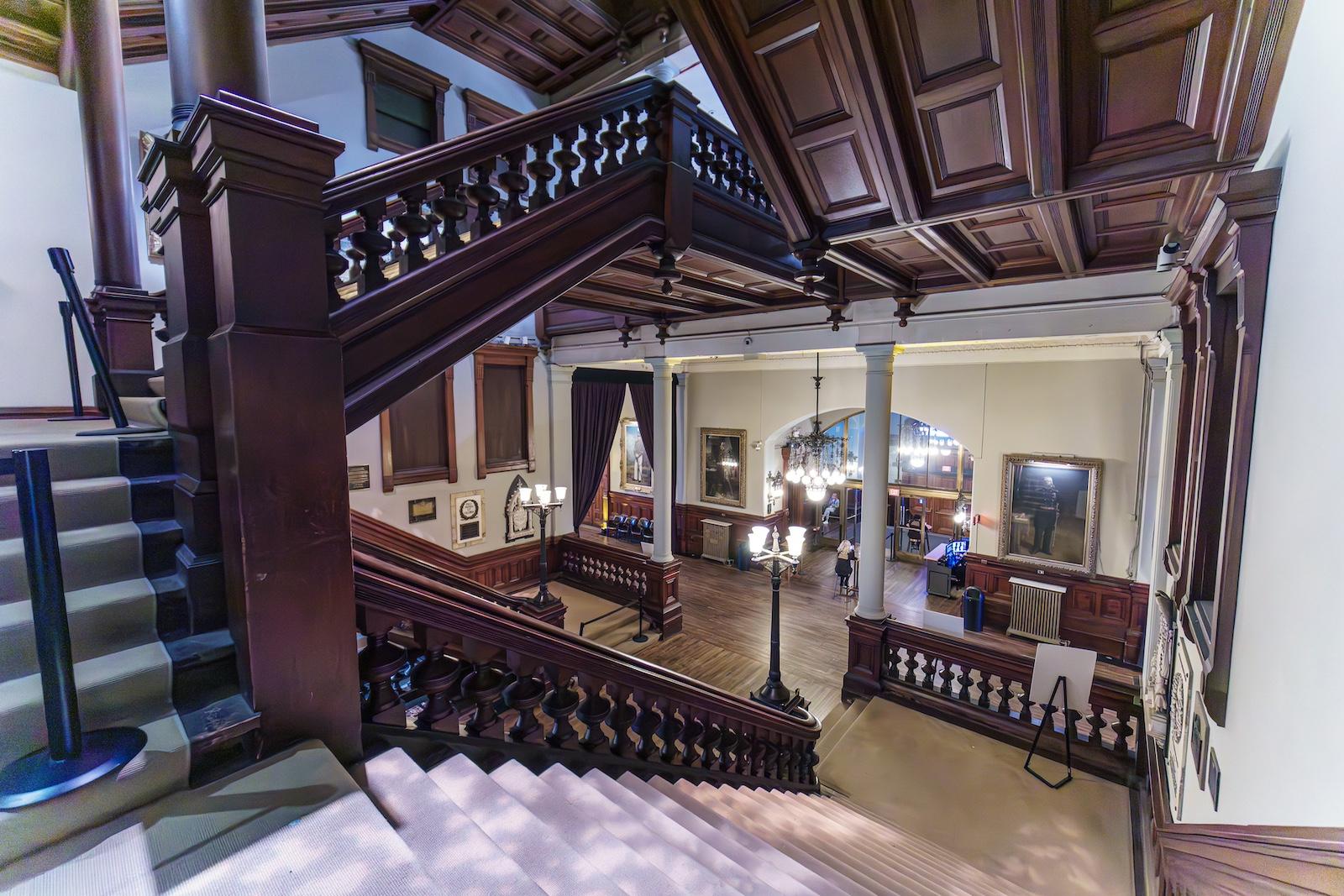
The Main Staircase at the Park Avenue Armory, also known as the 7th Regiment Armory, looking toward the entrance. License.

As the art world at large grapples with how to appropriately fund artists and exhibitions at a time when cultural funding has been stripped, organizations like ADAA and IFPDA are redirecting philanthropic activities inwards. While providing resources for arts programming remains incredibly important, decisions to end long-term partnerships with nonprofits have significant impacts on other areas of public need outside the fine arts sector. There is no easy answer to this, but it does matter far beyond the boardroom.

Subscribe to our free e-letter!

Webform
Art and Object Marketplace - A Curated Art Marketplace