


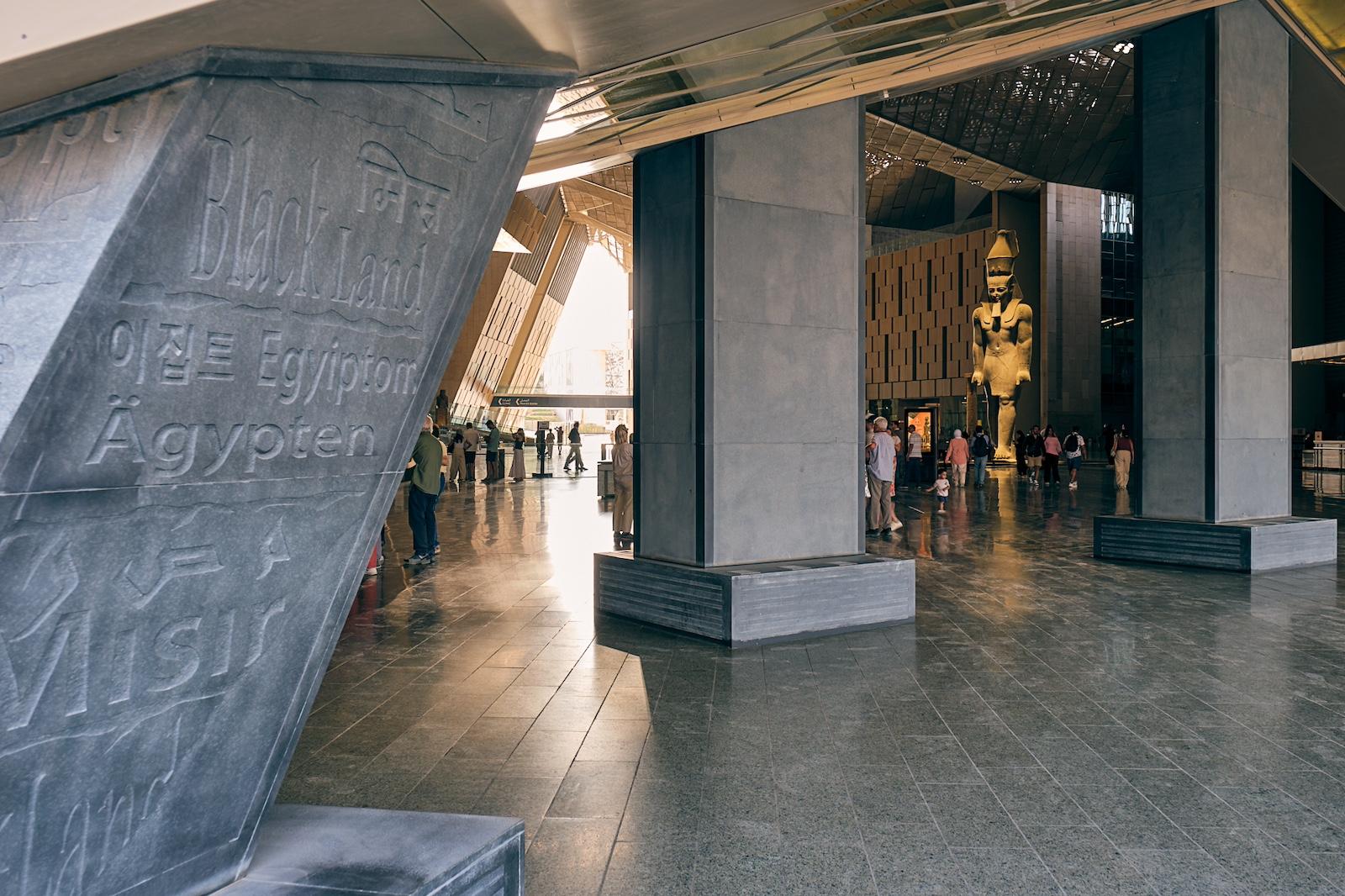
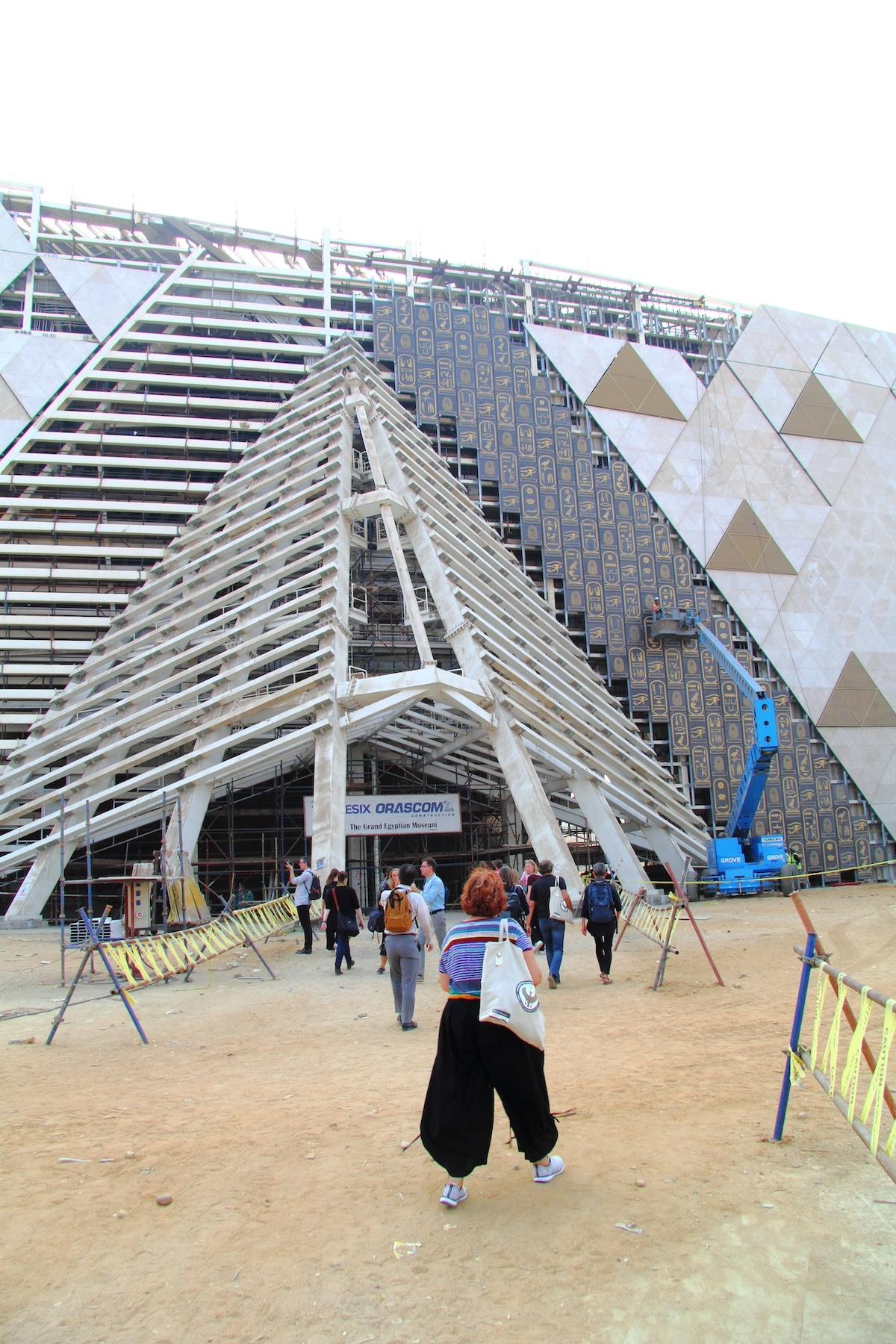
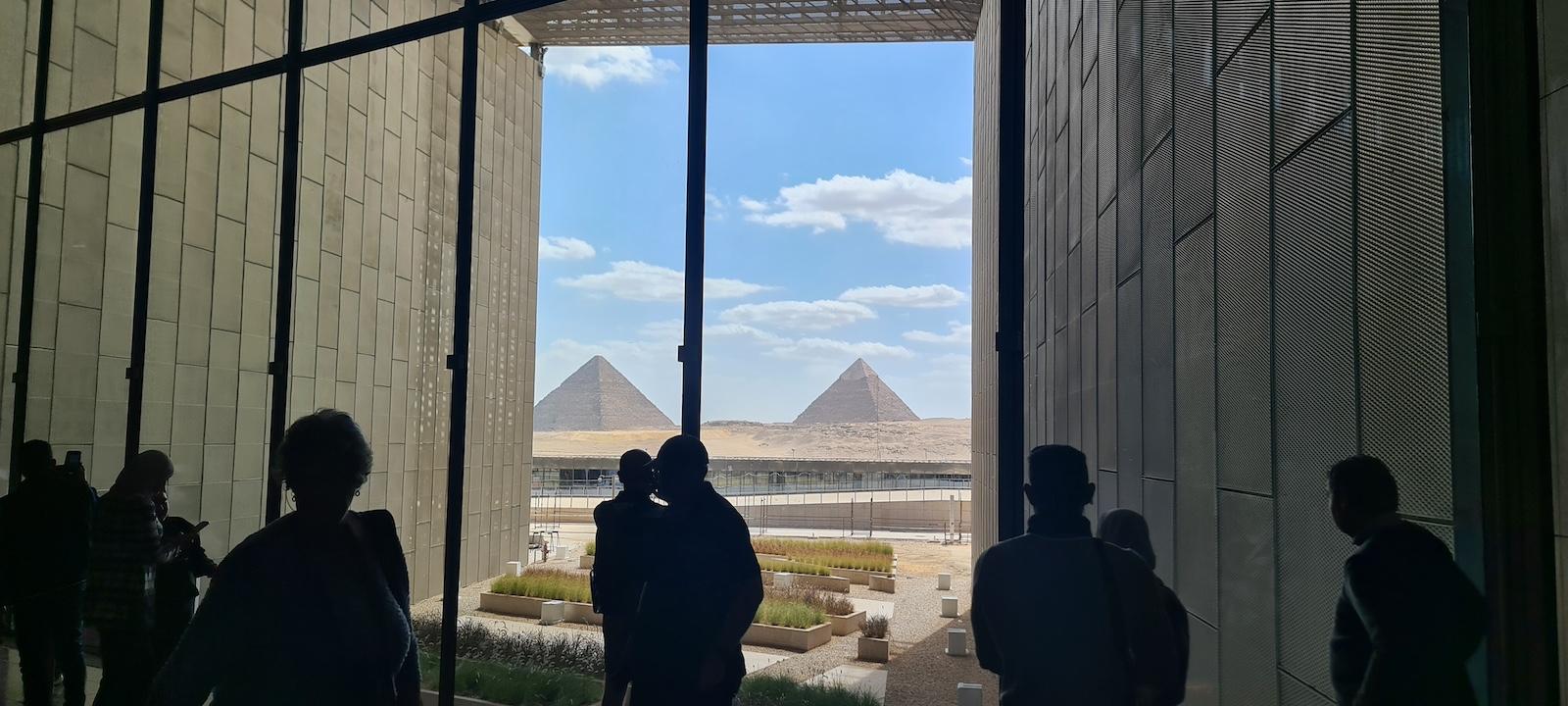
Designed by Dublin-based Heneghan Peng Architects, the museum spans an area larger than 90 football fields and holds 12 halls, including one dedicated entirely to King Tut. Its pyramid-shaped entrance is decorated with hieroglyphs and aligns with the pyramids of Khufu and Menkaure rising behind it. An in-house staff of 300 restorers maintain the museum’s collection of more than 55,000 objects in a bid to reclaim Egyptology’s historically Western center of gravity for Egyptians themselves.
Institutions like the Louvre and Metropolitan Museum of Art generate substantial economic impact far beyond their walls. In the United Kingdom, museums gave £531.8 million in gross direct economic contribution in 2024. Off-site visitor spending reached more than £279 million. Similarly, museums in the United States add $50 billion to the economy annually and generate $12 billion in tax revenue. The GEM is Egypt’s attempt to capture similar benefits on a grand scale.
Yet, the relationship between these cultural behemoths and local communities remains complex. Egyptian lawmaker Freedy Elbaiady has criticized the GEM’s ticketing system for relegating Egyptian citizens to what he calls a “secondary category.” The current quota system allocates daily tickets between Egyptians and foreign visitors, with the mix capped at a 60-40 ratio either way. Elbaiady has argued that the system prioritizes international tourism revenue over local access to national heritage.
















.jpg)

