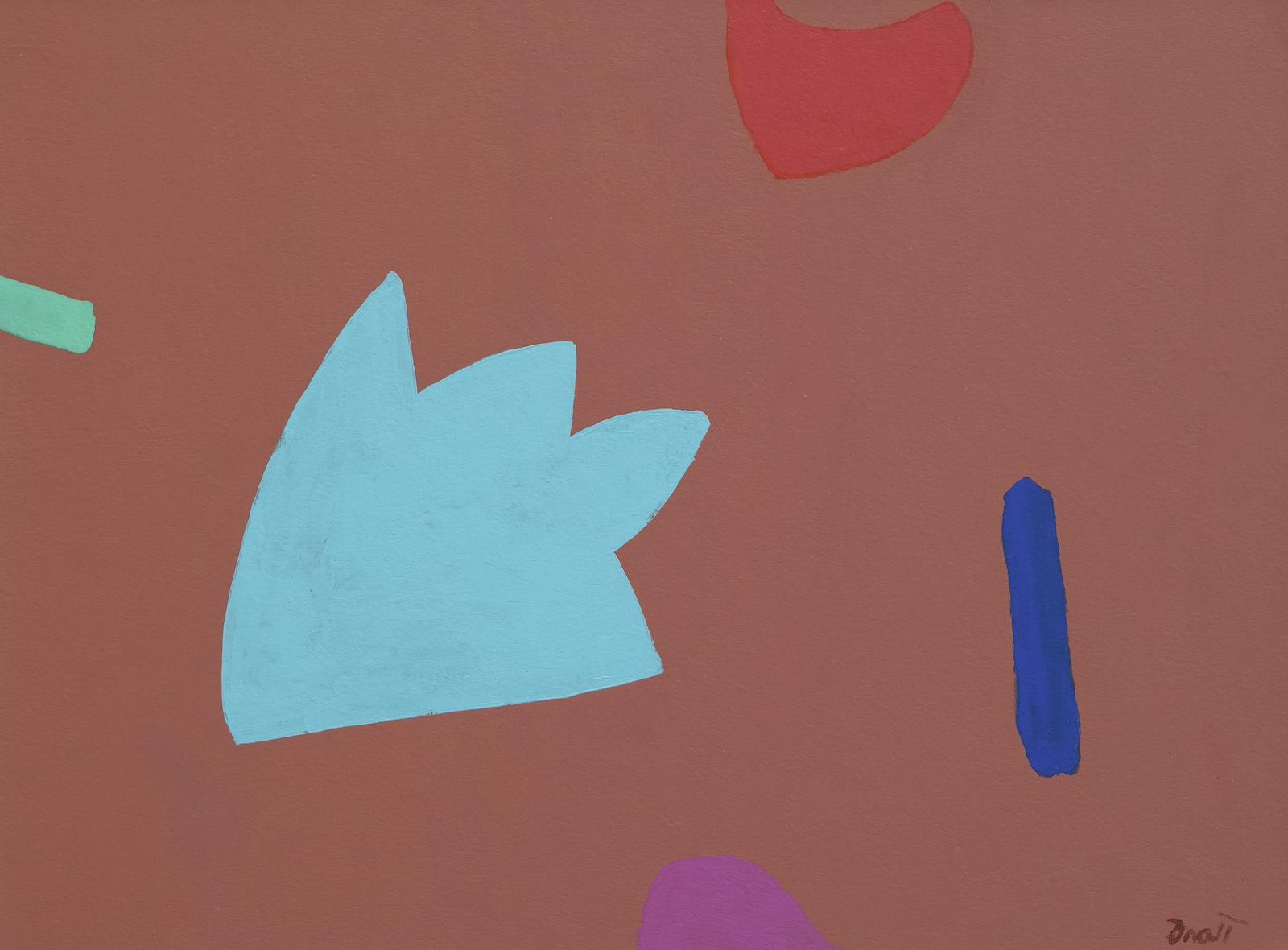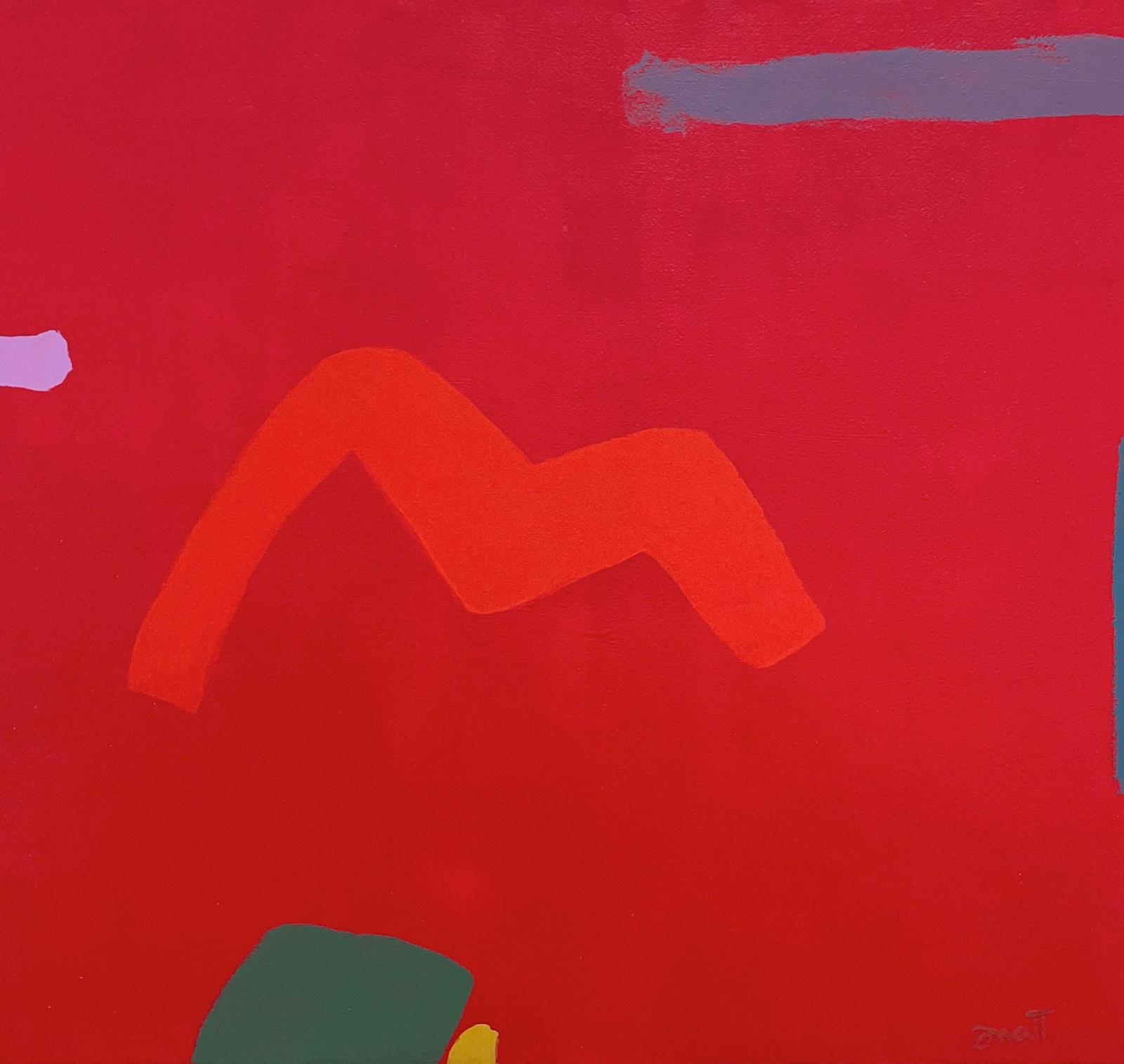


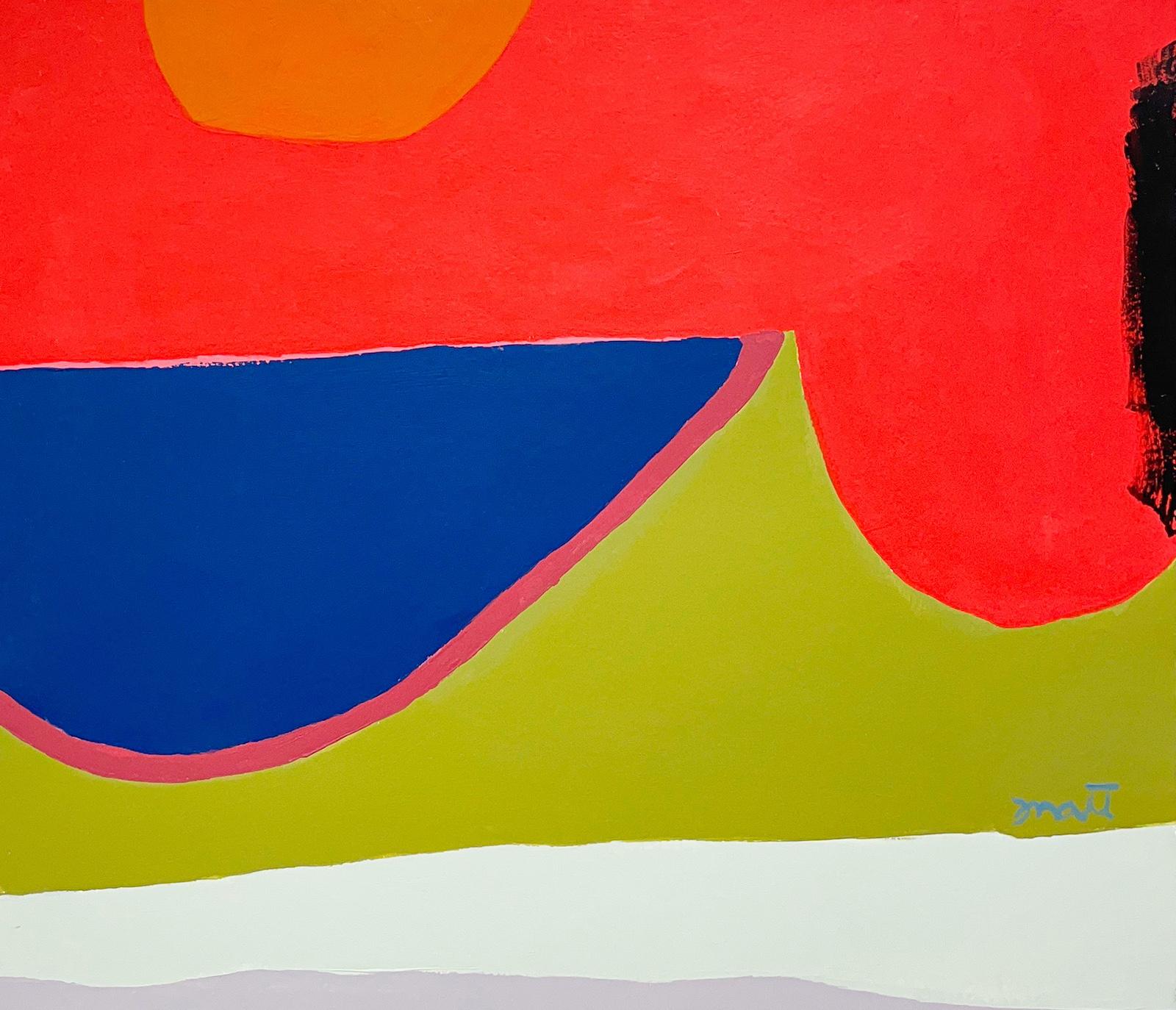
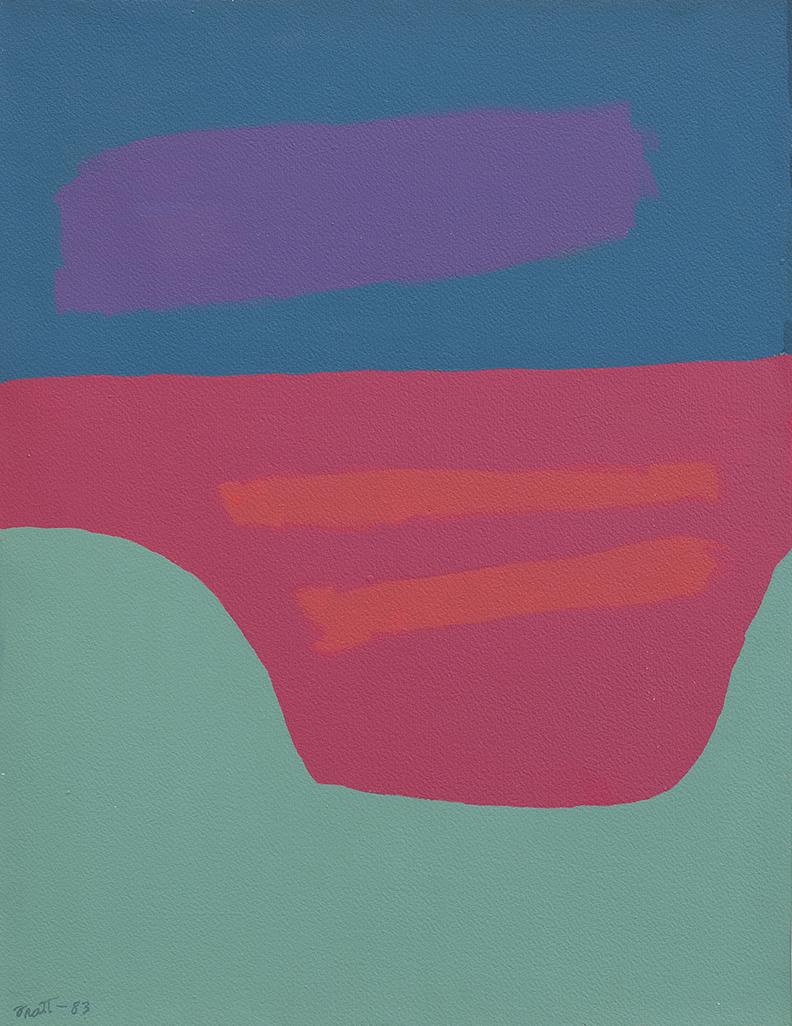
Across her prolific career spanning more than six decades, Dorothy Fratt consistently displayed an intuitive gift for color. Though her work bears recognizable affinity with both the Washington Color School and the arid intensity of the Arizona desert, where she spent the majority of her career, she remains an exceptional figure within the canon of postwar abstraction. Highly educated in art theory and history, Fratt developed her own distinctive aesthetic sensibility independent of external influences and commercial trends. In rendering the desert landscape in abstract visual terms, she was steadfastly committed to an exploration of the region’s striking quality of light and resulting color palette. This sensitivity to subtle variations in light and color allowed her to achieve a stunning emotive range in her own work, earning her posthumous critical recognition for her masterful contributions to color field painting.
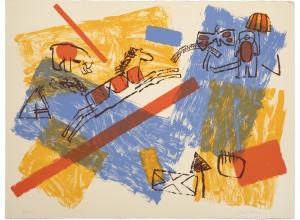
Spanning five decades, the works on view capture her ongoing pursuit of a visceral aesthetic language grounded in lucid, elemental color. Color is both the structural and emotional core of her compositions, taking precedence over line and form. Despite eschewing rigid forms, her approach to creation was not guided by impulse but rather thoughtful intention. Seeking to elicit sensation in lieu of defined figures or narratives, she mixed and selected each hue with exacting precision, applying each mark with purpose. Through color, she communicated experiences simultaneously intrinsic and atmospheric, transcending verbal or written explanation.