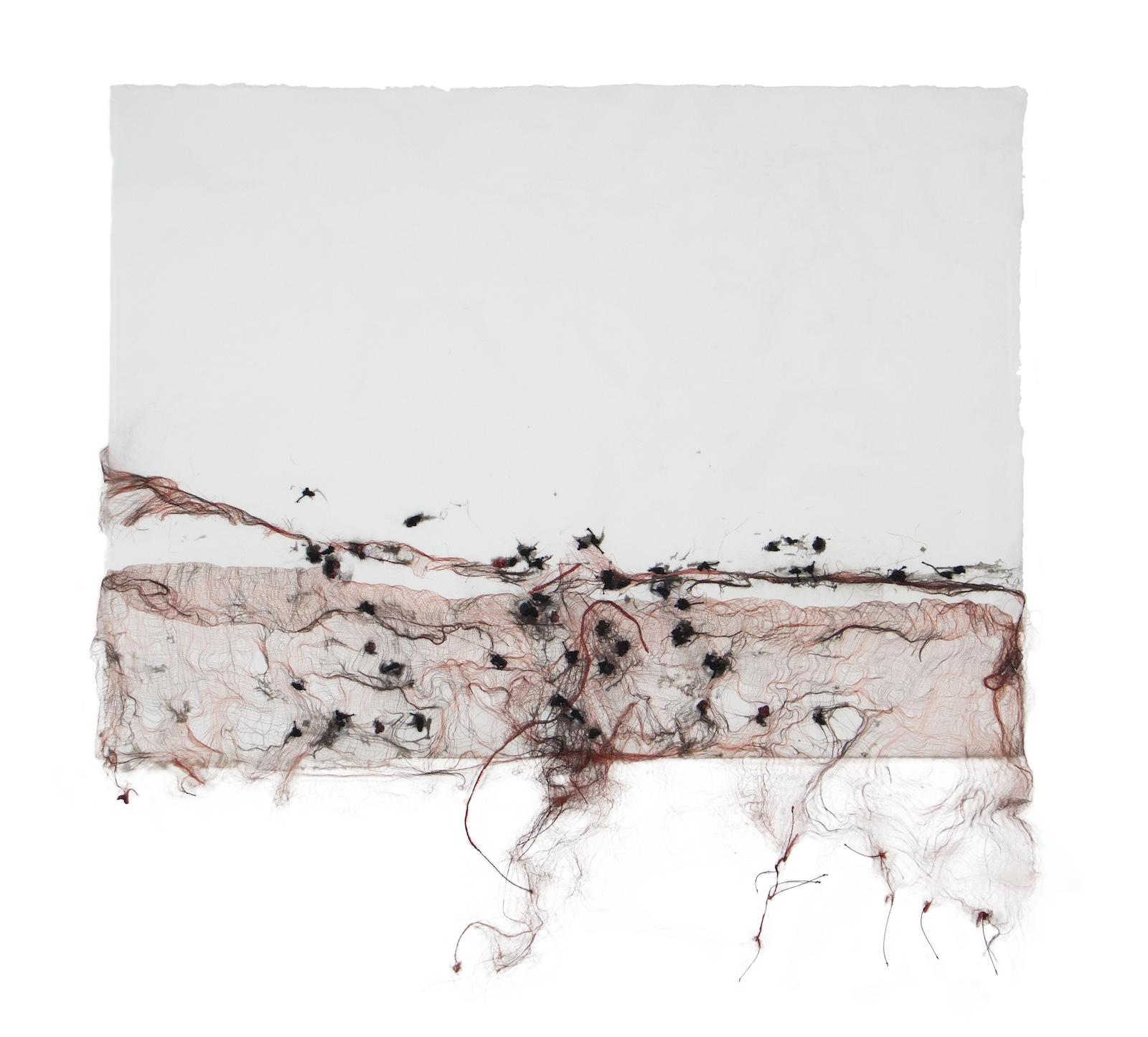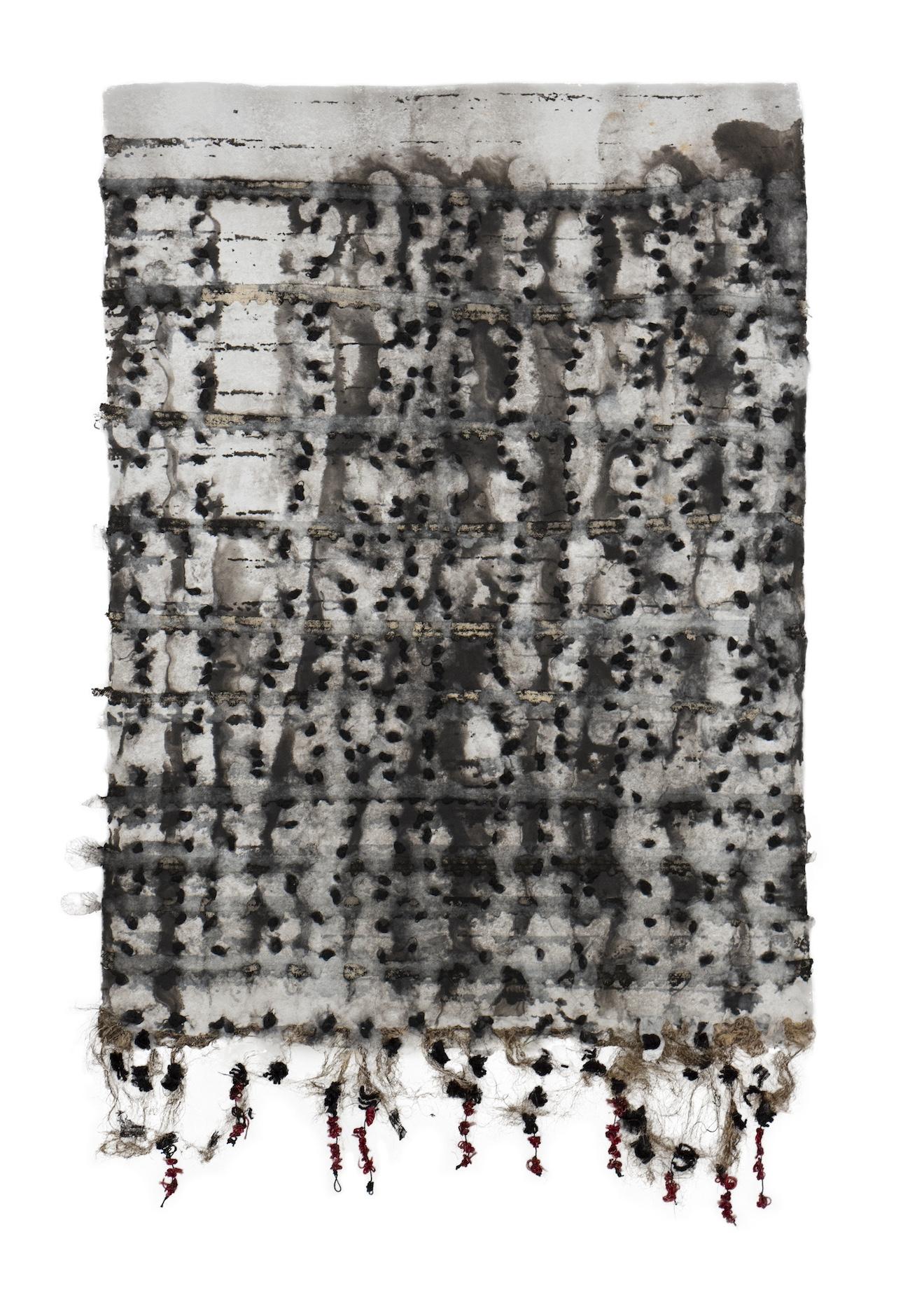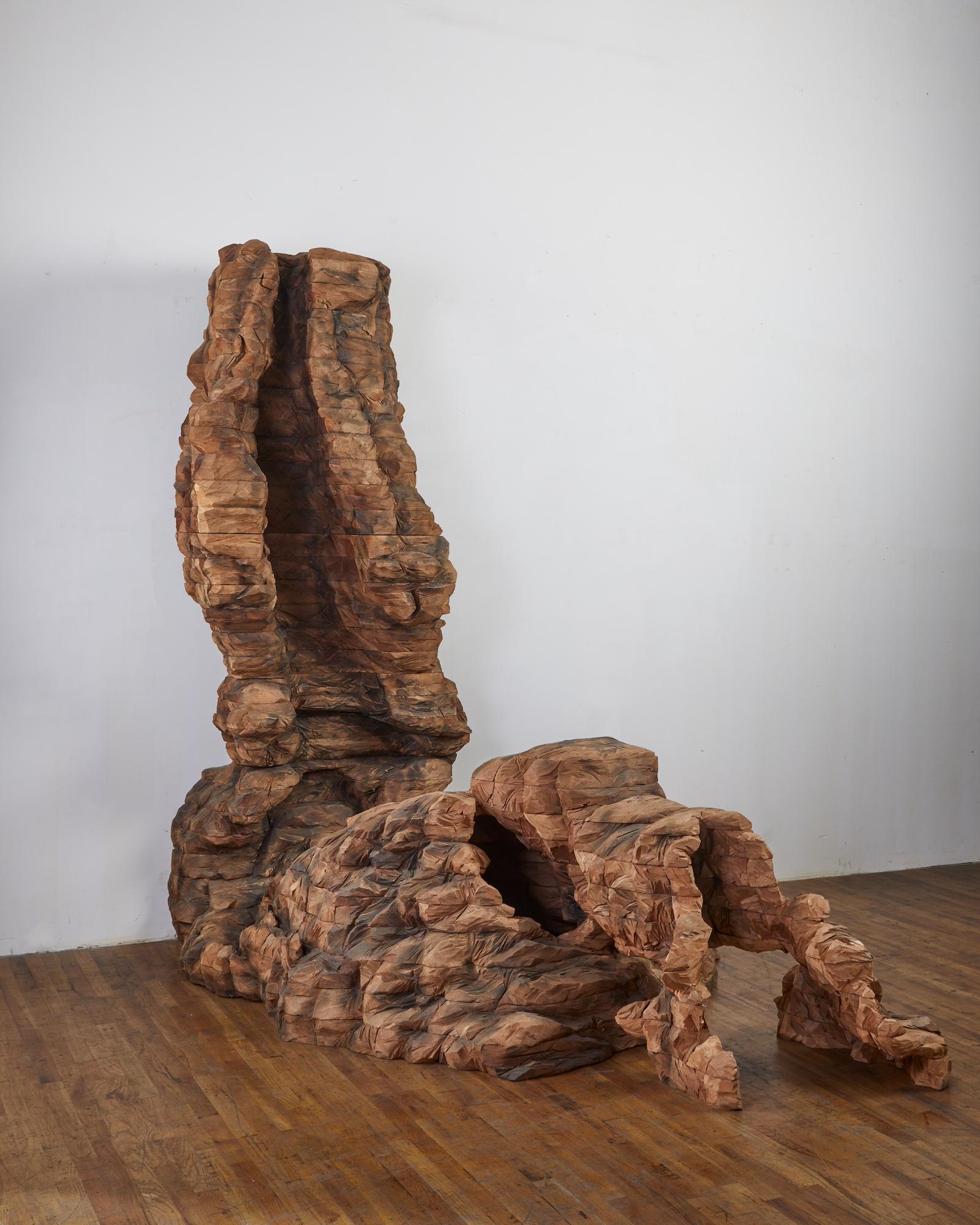

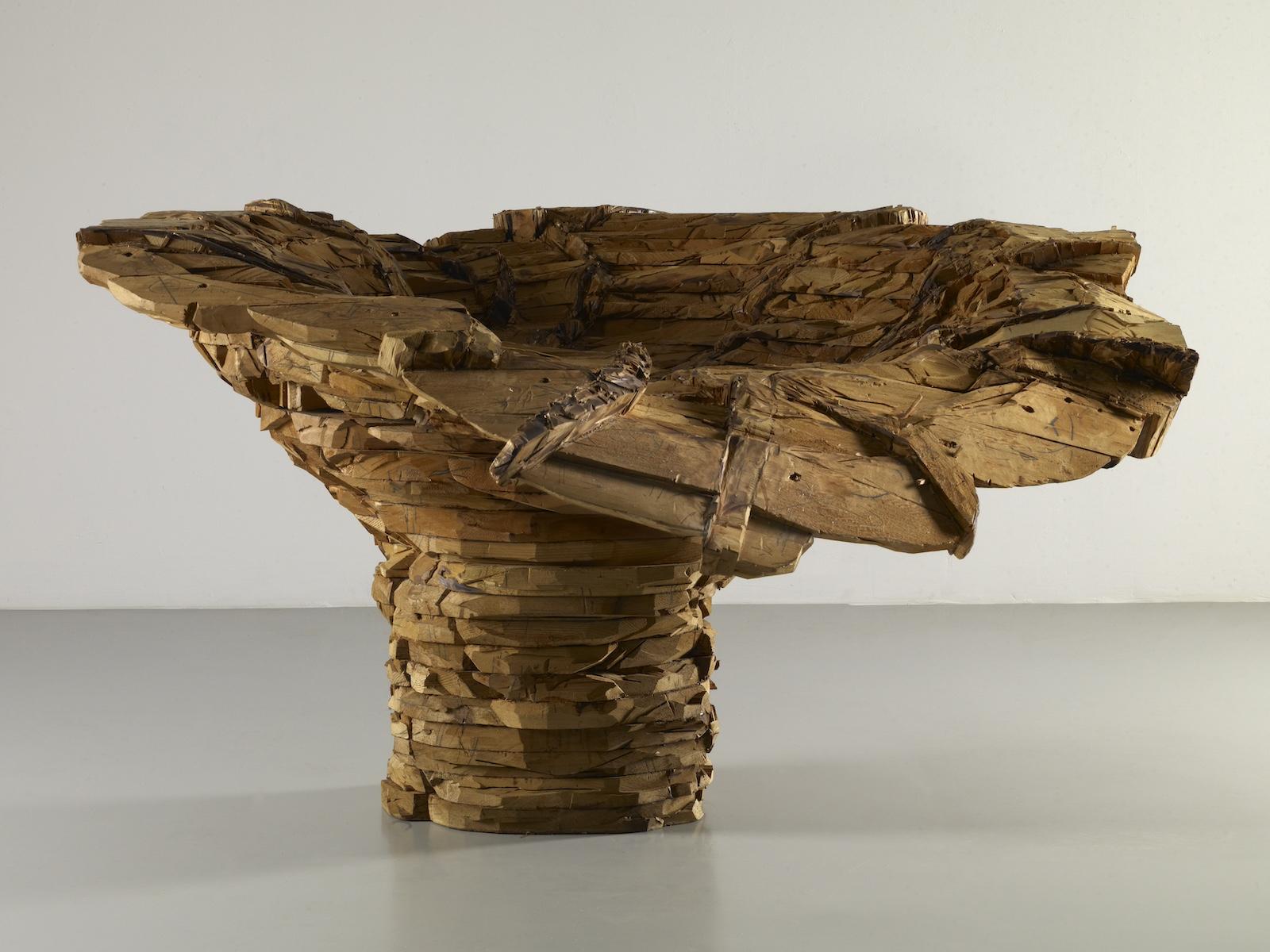
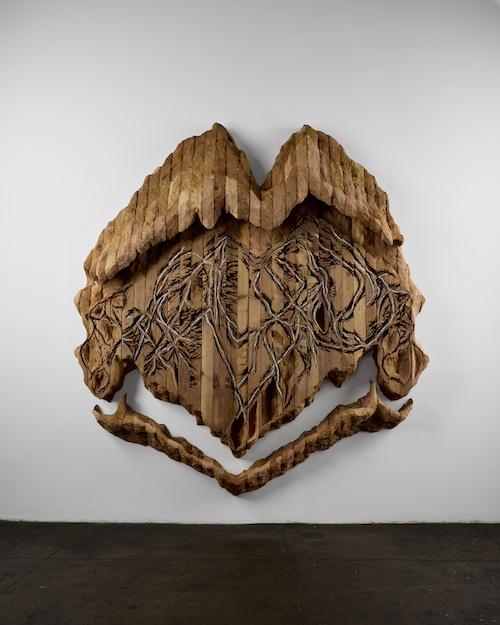
Content: Ursula von Rydingsvard: states of becoming features 15 powerful sculptures and wall reliefs along with a selection of 19 paper pulp works. Together, they illustrate the tensions between intuition and methodology in von Rydingsvard’s practice as well as the aesthetic and emotional power of her materials.
The exhibition also chronicles the subtle yet perceptible shift in the artist’s approach over the last 20 years. The construction of von Rydingsvard’s works has grown increasingly complex and she has repurposed parts of her sculptures with greater frequency, sometimes reconfiguring them to create an entirely new work of art. This exhibition sheds light on the unique ways in which her works come into fruition — their stages of becoming — and how the constant evolution of her ideas and practice leads to emotionally resonant and highly experimental art.
Artistic Process: Ursula von Rydingsvard has experimented with a wide variety of mediums including bronze, copper, animal intestines and polyurethane resin. Since the mid-1970s, she has worked primarily with cedar, a soft, malleable material that can be easily manipulated to produce abstract shapes. This choice of medium also evokes childhood memories of the wooden barracks at refugee camps she and her family lived in after World War II.
Von Rydingsvard’s work exemplifies technical mastery and conceptual depth. She begins each sculpture by drawing a chalk outline on the studio floor. Within this desired shape, she and her studio assistants stack four-by-four cedar beams, one plank at a time, and painstakingly cut, assemble and glue them into place. Each cumulative layer is an intuitive response to the one before. The artist has embraced intuition and feeling as fundamental elements of her practice, noting that each sculpture “is at least partially determining its own destiny.” The final sculpture often resembles geological and primordial forms found in nature, elements of the body or utilitarian objects such as shovels and bowls.