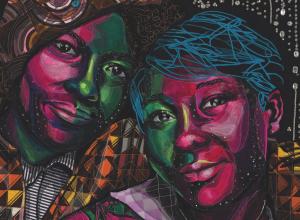

"Puberty" is chockfull of intelligent art-historical references, handwritten personal divulgences, casually surreal still lifes, and nude self-portraiture. Every aspect of the publication contributes to the work’s larger goal: To document the artist’s experience of HRT as a non-binary transgender person.
Interviews & Essays

The fedora stays on, the jacket, too, even in the dog days of summer as Bell mills about his new show, Larry Bell & John Chamberlain. His contribution includes a corner of the south gallery occupied by his trademark glass cubes as well as vapor drawings made from cutouts and the same microparticles he applies to the cubes.
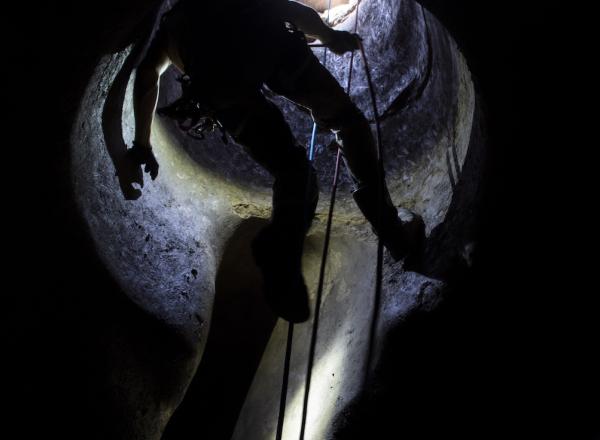
We all need water. No matter where, no matter when, human life cannot survive without it. This has been made acutely and painfully apparent across large swaths of the globe this summer as human-driven climate change has fueled water shortages with detrimental effects to both the environment and human life.
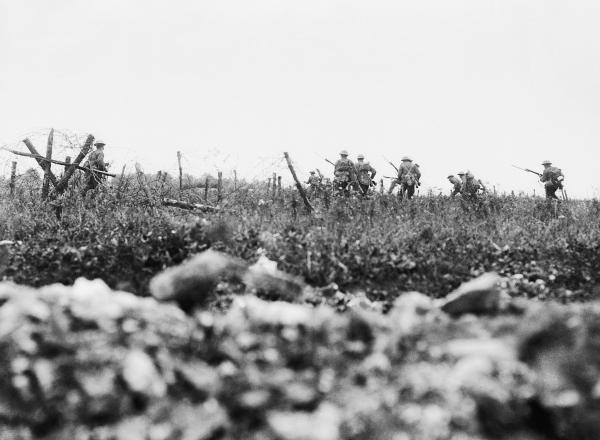
Many countries decided to impose very strict regulations on the press in order to limit, or completely prevent, the circulation of negative accounts. Lord Kitchener, the British Secretary of War, made sure that the control on correspondents was so watertight that the photojournalist Jimmy Hare reported that “to so much as make a snapshot without official permission in writing means arrest.”
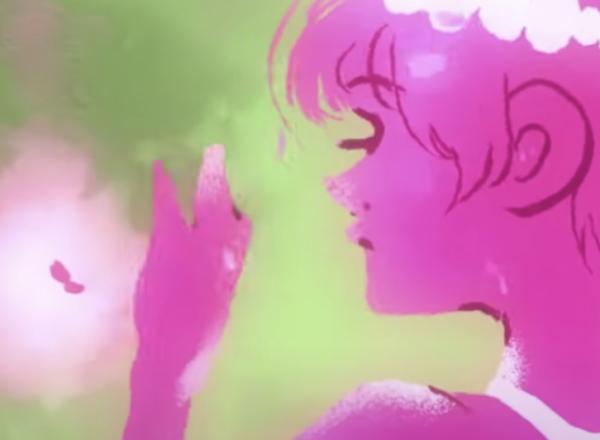
Rachel Smythe’s insanely popular webcomic now turned graphic novel (and future Netflix animated series), Lore Olympus, is a recent iteration of this trend – one that combines both the art of storytelling and digital illustration.
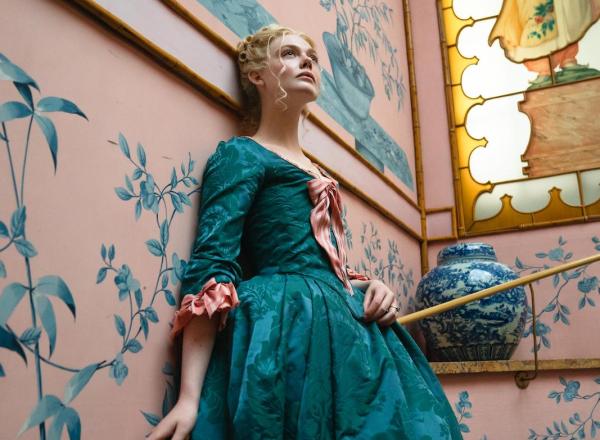
In December 2021, the Television Academy announced eleven significant rule changes designed to better align the Emmys with, “the dynamic and rapidly evolving television industry." Among these changes are several meant to highlight the too often unsung visual artists.
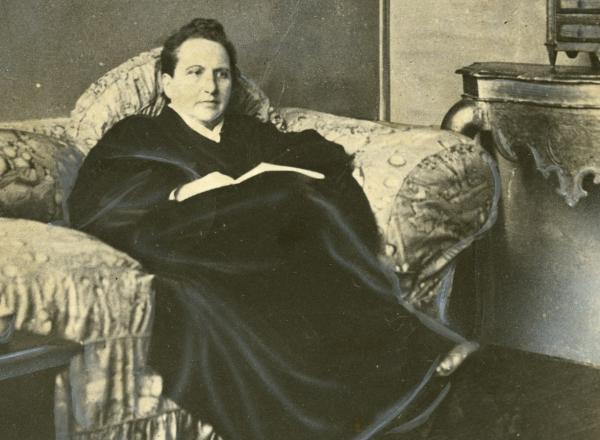
Noted iconoclastic Jewish-American poet, playwright, novelist, and art collector Gertrude Stein (1874–1946) is remembered for her experimental use of language, her frank depiction of lesbian relationships in fiction, and for amassing an exceptional art collection while living in Paris as something of a celebrity figure.
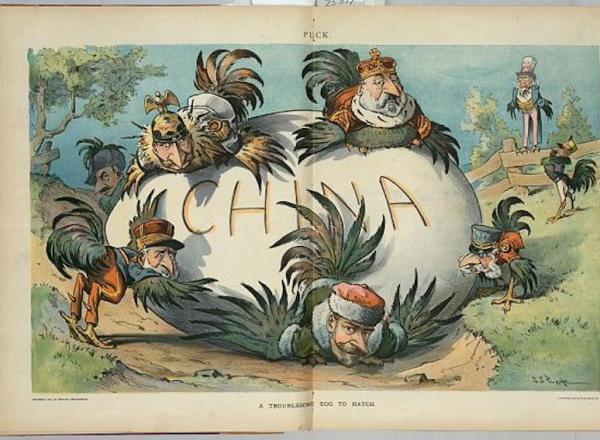
Following a trend that started in the late 1800s, Western photographers were sent abroad to create images of foreign countries. Such photographs, oftentimes created through an imperialist and colonial lens, contributed to the creation of stereotypical views of non-Western countries.
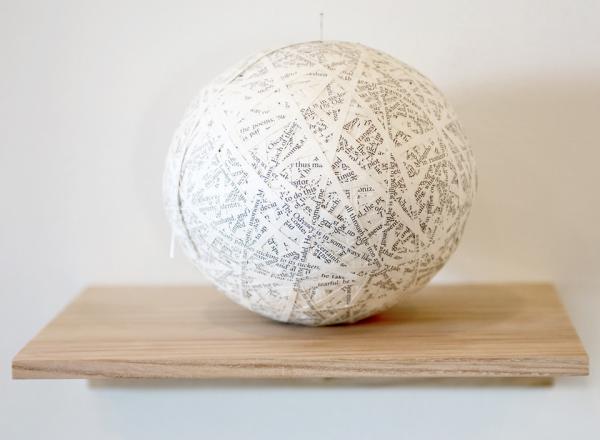
Fascinated by language, its connection to the visual, and the craft of paper making, McClure became fluent in Japanese and found herself shocked by the many mistranslations she began to encounter, attributing them not only to linguistic mistakes but also to cultural misunderstandings.
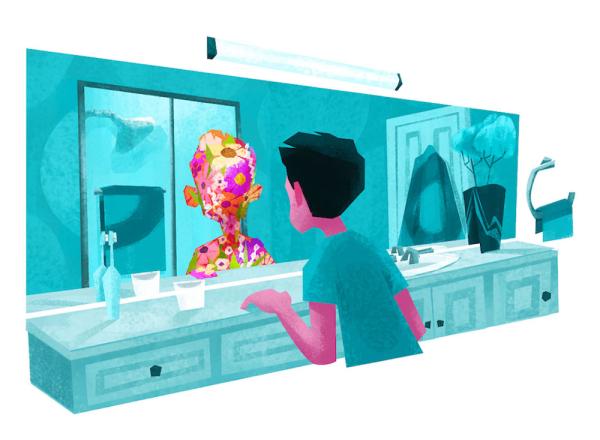
Google’s Student Doodle Challenge is wrapping up its stage of public voting and we thought we’d take a moment to share some of our favorite illustrations. This year's U.S. contest called for submissions about self-care. Robust college scholarships are among the top prizes.