

The Netherlands will return 20 objects taken from Indonesia during the country’s 350-year colonial rule under an agreement signed this month by Dutch Minister of Education, Culture and Science Rianne Letschert and Indonesian Minister of Culture Fadli Zon. Among them is the 38-carat Banjarmasin diamond, which once belonged to the Sultan of Banjarmasin as a symbol of his sovereignty.
Interviews & Essays
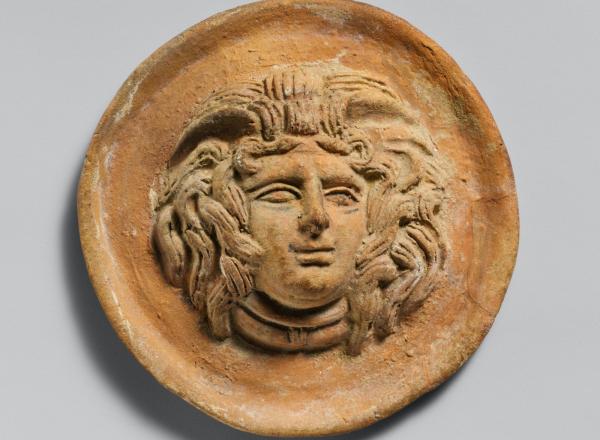
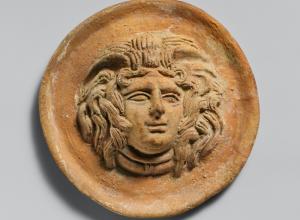
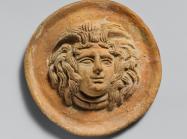
Medusa, like many other classic Greek myths, has become a cultural icon. She was one of the three Gorgons, meaning creatures who resembled human females save for their heads, from which snakes sprouted instead of hair. The eyes of Gorgons could also turn humans to stone.

Here are ten great and significant artworks to put you in the Halloween spirit.
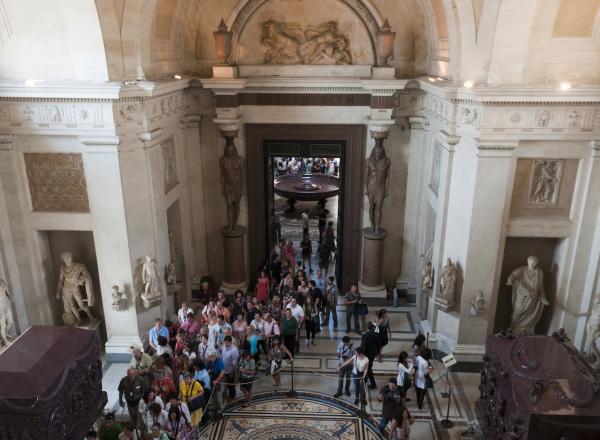
Following a months-long review of whether overseas visitors should pay at the door of national British museums, the United Kingdom Department for Culture, Media and Sports confirmed that entry will remain free.
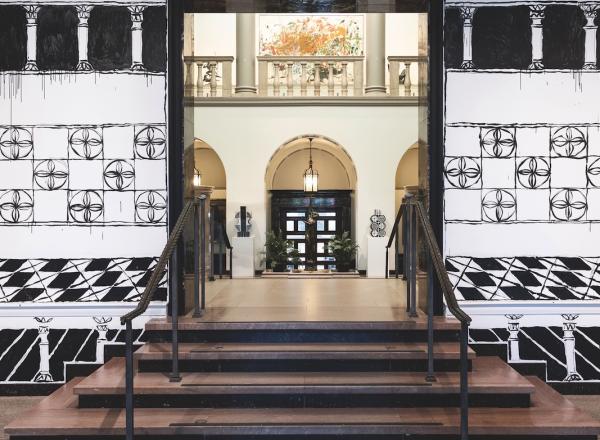
Way out in Brooklyn, New York, in the hip reaches of Bushwick, amid endless warehouses and construction companies festooned with boisterous graffitied gates, Elisabeth Kley’s straightforward studio is quietly ensconced in a long, dark-halled building.

To escape the gloom and chill of the seasonal shift, you’ll find these seven films offer something to suit every taste.
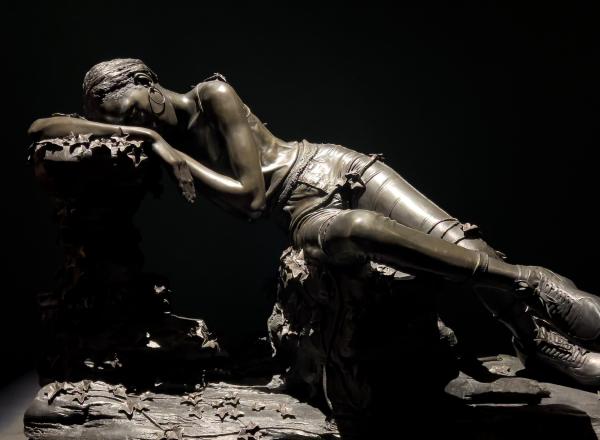
More than 10 years after being commissioned to paint a canvas for the United States Embassy in the Dominican Republic by the State Department, Kehinde Wiley is endeavoring to buy Young Artists After Siamesas 1960 back.
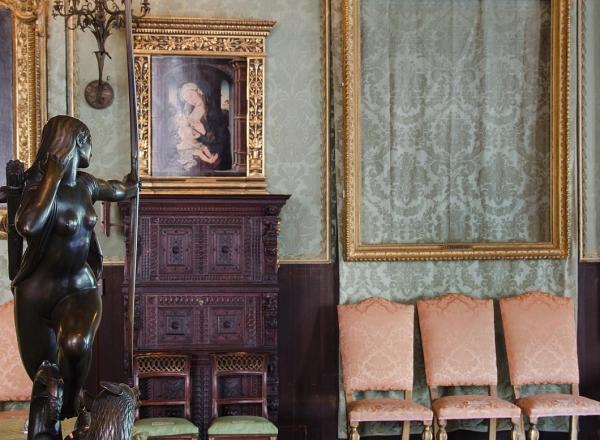
The art world has its share of mysteries. From the impressive scale of prehistoric structures, to who exactly posed for enigmatic portraits.
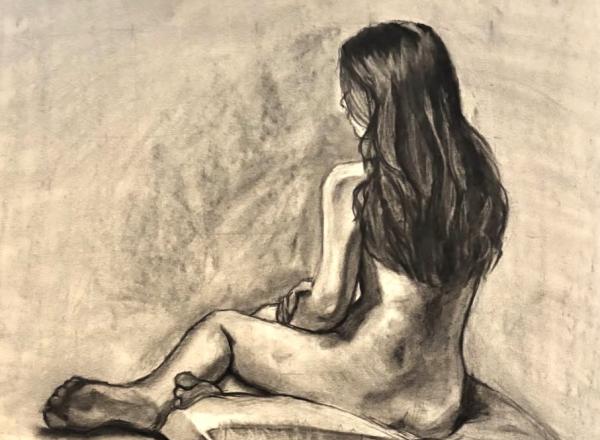
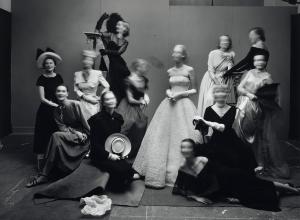
One might naturally assume the hardest part of nude figure modeling is being at your most vulnerable, on stage in front of a room full of people, many of whom are complete strangers. However, I am an extrovert who loves to chat, and as absurd as it sounds, I consider the inability to speak, laugh, or react as conversations flow around me to be, by far, one of the most difficult aspects of the job.
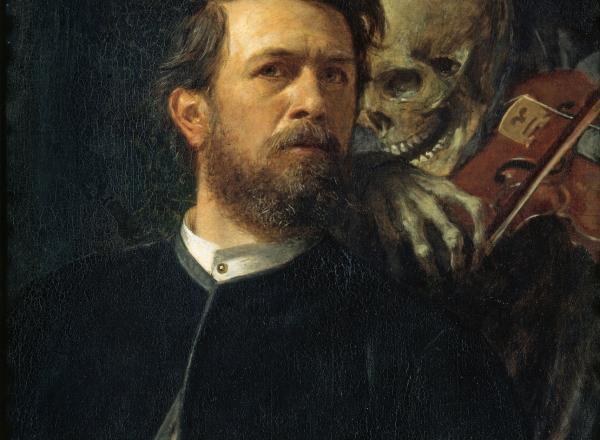
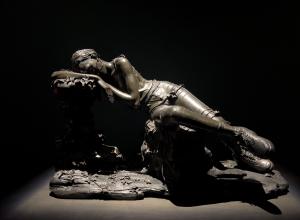
Regardless of gender, ethnicity, creed, or political ideology, one thing for certain is we are going to die. Death is the inevitable fate in the plight of man and the great equalizer to all. Consequently, themes of death are richly scattered throughout the art-historical timeline.