
From Naoshima to Chicago, Art & Object brings you eleven popular and thought-provoking public artworks around the world.
Interviews & Essays
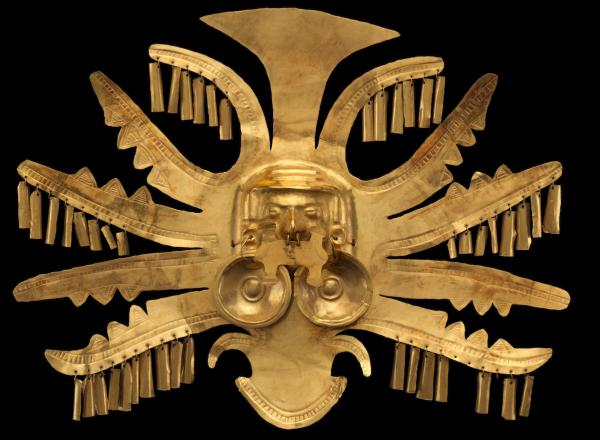
As we're now deep into the warm summer months, we're feeling the importance of the sun. Here's a brief look at the sun as a symbol throughout art history.
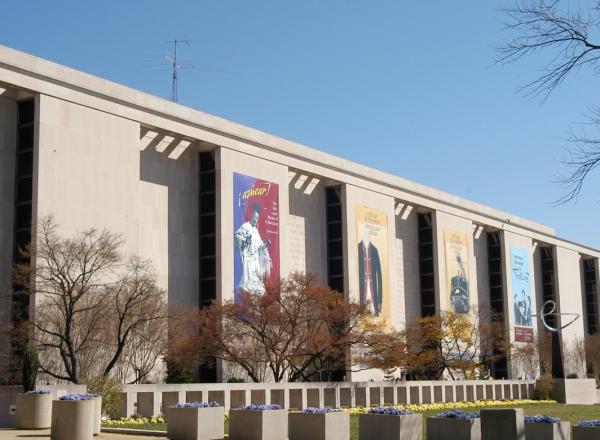
The Smithsonian Institution, long regarded as a trusted keeper of the nation’s shared history, has spent the summer fighting to defend its independence.
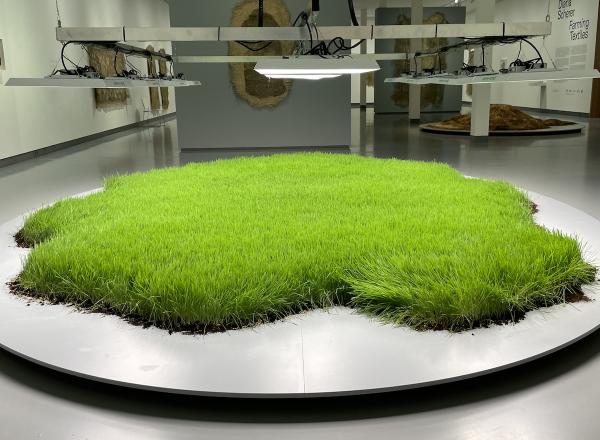
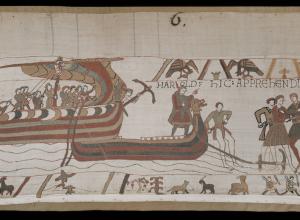
Weaving—the process of interlacing various sets of threads—is one of the oldest and most significant forms of craft in human history. Weaving techniques were already known in the Paleolithic period and employed to make baskets, ropes, and shelter out of plants and branches. The oldest textiles, also crafted with plant fibers, were found in Peru and dated to around 10,000 B.C.
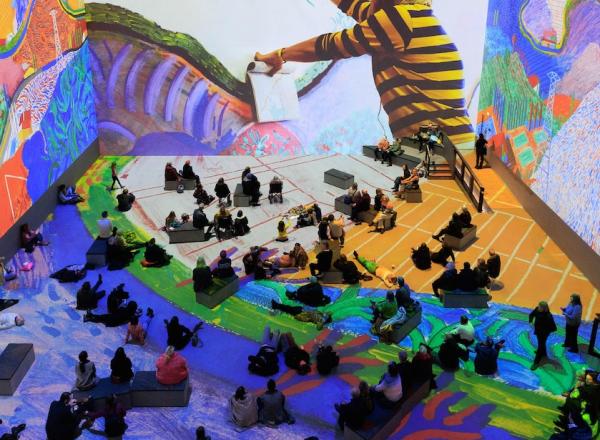
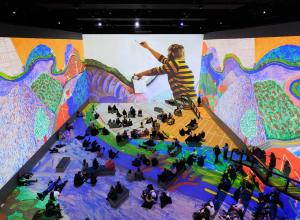
Few artists have embraced advancements in reproduction and new digital technologies with the gusto of British-born, universally loved artist David Hockney (1937-2026).
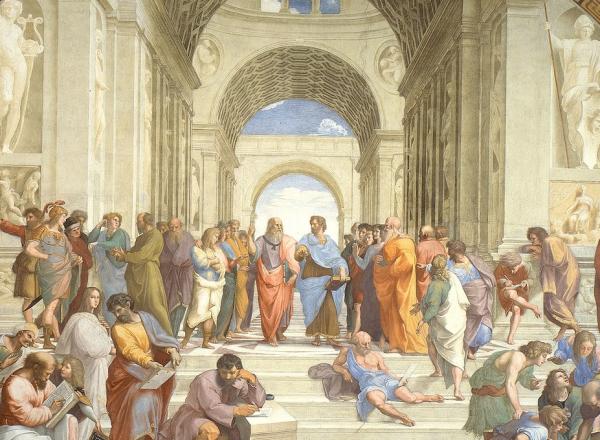
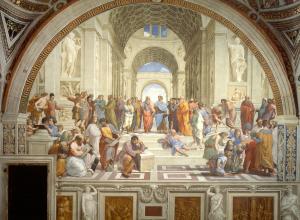
Though he died quite young, Raphael's career included a rivalry with Michelangelo, educational encounters with Leonardo da Vinci, and a lengthy stint at the Vatican.
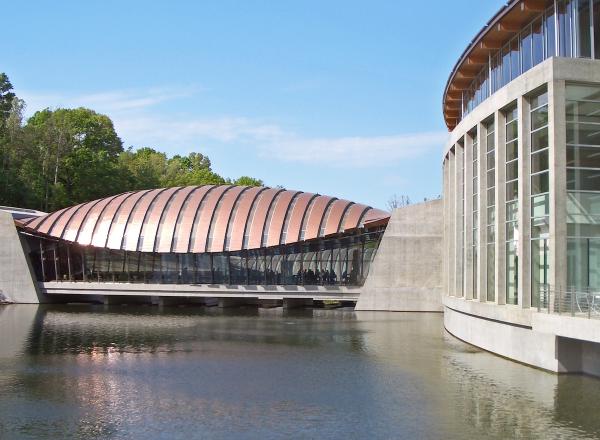
A new influx of nine-figure gifts is reshaping American arts institutions as the second Gilded Age emerges and newly minted billionaires begin hefty rounds of giving.
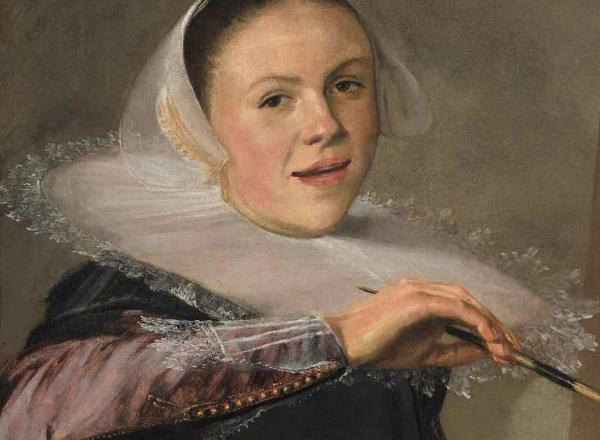
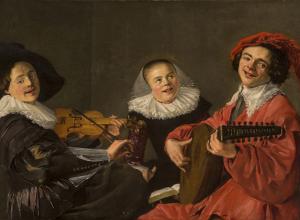
Scholars and curators are reviving these oeuvres and changing the way we talk about women in art history. From the paper cuttings of Joanna Koerten to the drawings of Gesina Ter Borch, here is a preview of the virtuosic, detailed, and exciting work of (some of!) the women of the Dutch Golden Age.
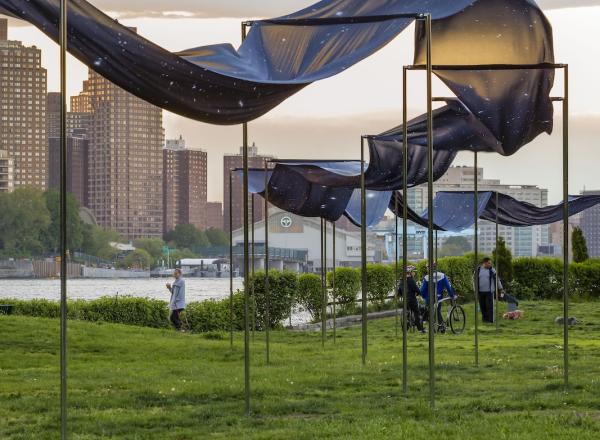
Long before the popularity of immersive art exhibitions drew millions of people indoors to interact with art as a full-body experience, sculpture parks offered the opportunity to feel, see, and touch art while sun and shadows, wind and rain, birds, bees, and the smell of the earth enveloped us in new ways of seeing. Some venues are open year-round.

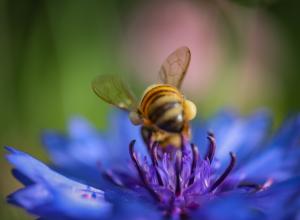
Fine art photographer Diane Allison managed to stop summertime with her camera. In a salute to the season, she captured quintessential macro moments and digitized her images with her own brand of photographic fairy dust.