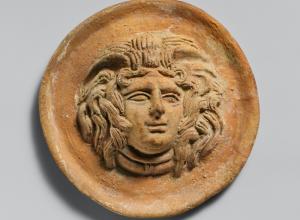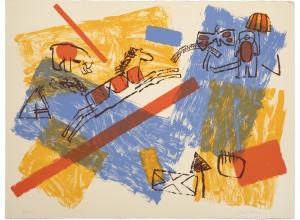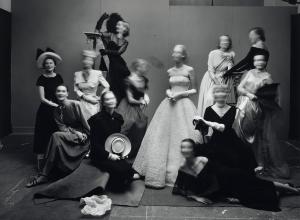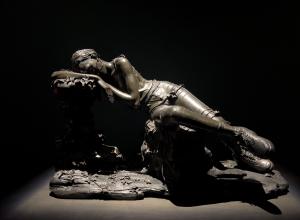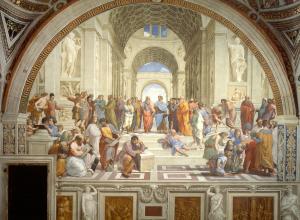


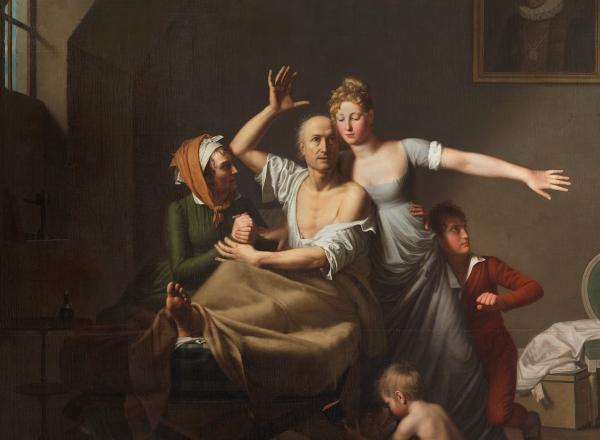
This past February, the Art Institute of Chicago became the recipient of a transformational gift, approximately 2,250 works of French art spanning the 16th through 19th centuries, said to be the largest holding of its kind in the United States. The donors were collectors Jeffrey Horvitz, a private investor, and his wife, Carol, a trustee of the Art Institute.
Interviews & Essays

Dadaism or Dada is an art movement of the early twentieth century characterized by irreverence, subversion, and nonsense. Dada art, performance, and poetry emerged in Zurich as a reaction to the horror and misfortune of World War I.
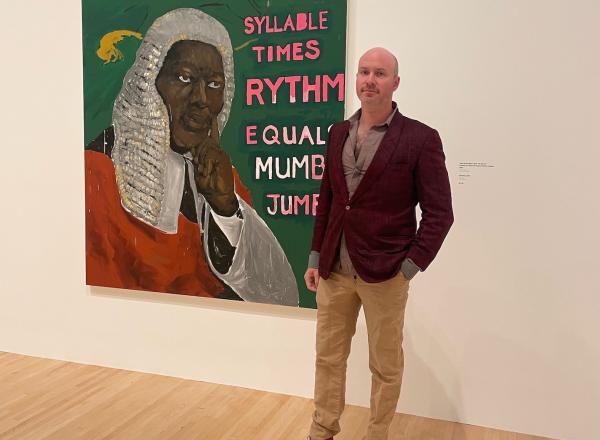
I was working in music and playing poker, and the combination of those things led me to the art world. I’m from a highly educated yet not affluent background, and I had never thought much about the art world, never met a working artist or a gallery owner. Then I met Slater Bradley, who was at the time the youngest artist to have a solo show at the Whitney Museum. He invited me to an all-artists poker game at Dirk Skreber’s studio in Brooklyn.

The word salon has a rich history of its own and was even used to indicate several different things within France in this period including an elite social gathering often led by a woman, a large reception hall, or an academic art exhibition.

Los Angeles has long lived in the shadow of New York’s art world dominance, but with the opening of three major institutions this year, the city is strategically repositioning itself to become an even more serious cultural force.
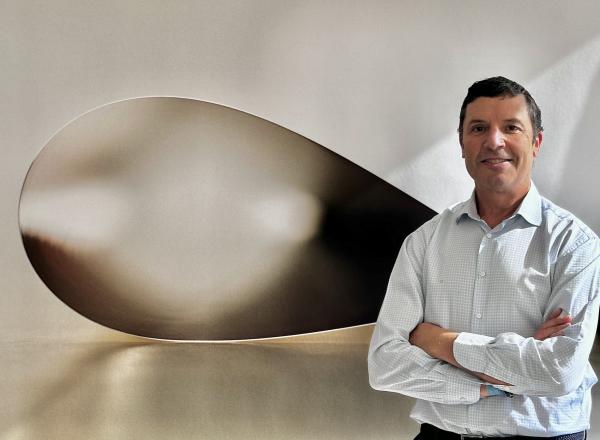
I grew up in New York with parents who were early collectors of modern and contemporary art. In the 1970s, I would accompany them to SoHo to visit galleries like Pace, Mary Boone, and Castelli. We walked cobblestone streets, stepped into raw loft-like spaces, and talked about art not as decoration but as a way of seeing and an intellectual pursuit.
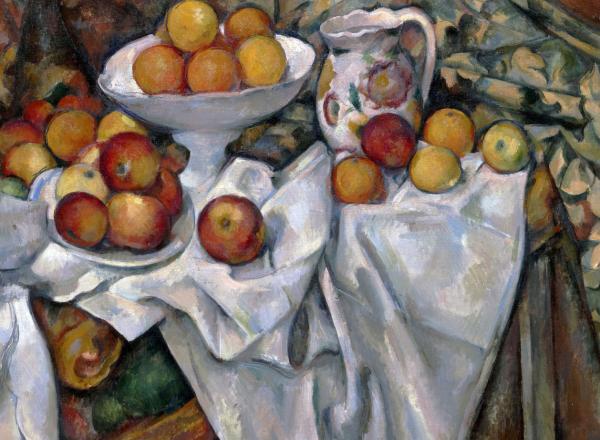
This constellation of artists was all occupied with the problem of how to best represent an experience or a three-dimensional subject and all the weight and movement it carried. All these artists believed that there was much more to reality than what the eye had been conditioned to read.
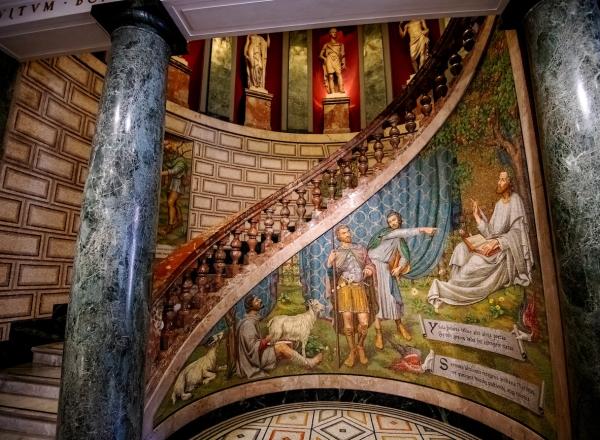
As the final stretch to the Winter Olympics comes into view, the world’s eyes turn once more to the city of Milan. Just weeks after the city closed out its annual Fashion Week, runways are being traded in for ice rinks as athletes and fans descend upon the Italian north for the winter games.

From New York and Detroit to London and Basel, leading museums are staging major exhibitions devoted to canonical modernist masters at a moment when our world is as uncertain and tension-wrought as their early 20th century was. Marcel Duchamp, Paul Cézanne, Henri Matisse, Wassily Kandinsky, Pablo Picasso, Georgia O’Keeffe, and Andy Warhol will all be featured in the coming year around the world.

Imagine that you have just purchased the most eye-catching painting you’ve ever seen. It’s a beauty, a canvas glittering with color and that special je ne sais quoi. To art collectors, there’s almost nothing better. But there’s nothing worse than placing your new masterpiece in the wrong frame.