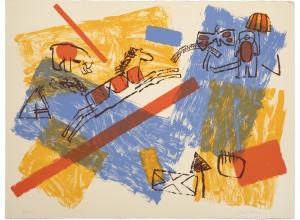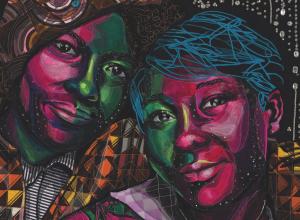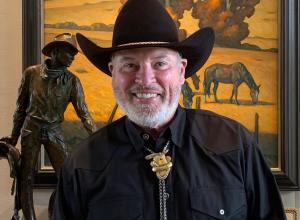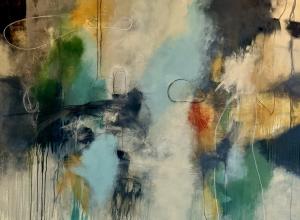
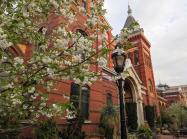
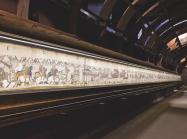
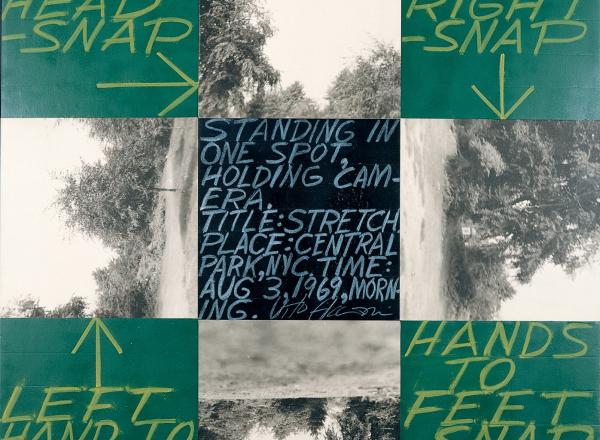
The ecofeminist visions of artist Ana Mendieta and writer Rebecca Solnit guide this exhibition of works concerned with how the body relates to the earth. Drawn primarily from the Museum of Contemporary Art Chicago’s (MCA) permanent collection, a body measured against the earth shows how Land Art and the reclamation of and interest in the body found in Feminist Art intersect and converse.
Art Galleries & Museums
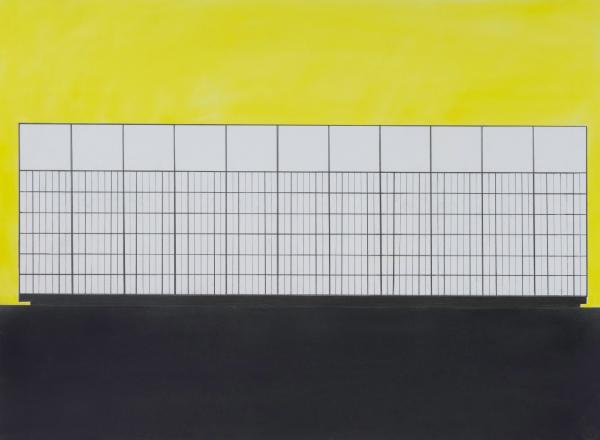
Now at the Portland Art Museum, APEX: Avantika Bawa features new work by the Portland-based artist. The APEX series celebrates Northwest-based artists and is curated by Grace Kook-Anderson, the Arlene and Harold Schnitzer Curator of Northwest Art. Bawa is known for her architecturally inspired modernist abstractions. Fascinated by Portland's Veterans Memorial Coliseum, she has created an ongoing series of drawings, prints, and large panel paintings illustrating the Coliseum’s grids, lines, colors, and mass.
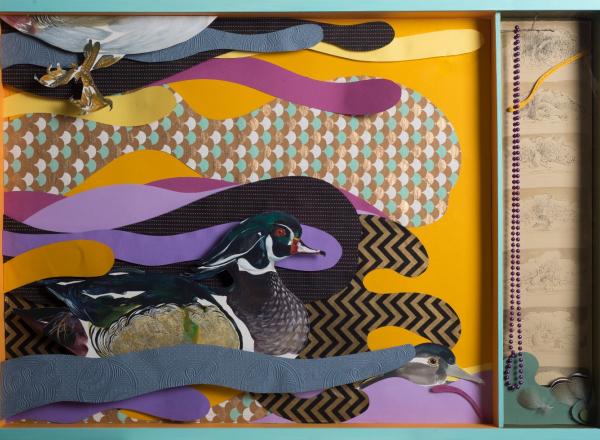
Two hundred years after Audubon traveled across America, tracking native bird species for his magnum opus, The Birds of America (1827–39), Italian artist Hitnes has retraced Audubon's steps, creating an updated documentation of the birds Audubon painted. His homage to Audubon, The Image Hunter: On the Trail of John James Audubon, is now on display at the Halsey Institute of Contemporary Art in Charleston.
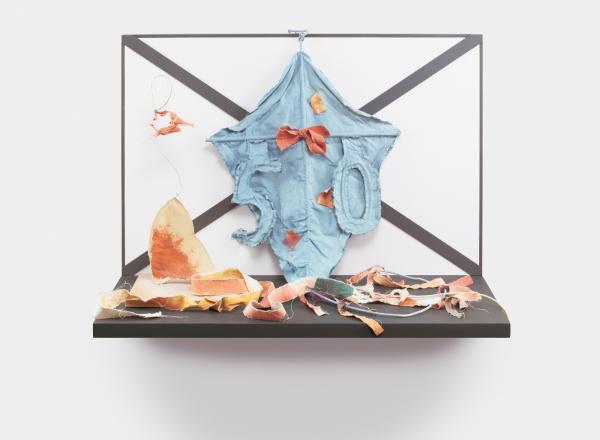
The 89-year-old Claes Oldenburg has created a series of sculptures that look like maquettes, comprised in part of familiar works from his oeuvre. "Shelf Life" is a clever play on words from an artist looking back on a rich and full career, reviewing his body of work and seeing what sticks.
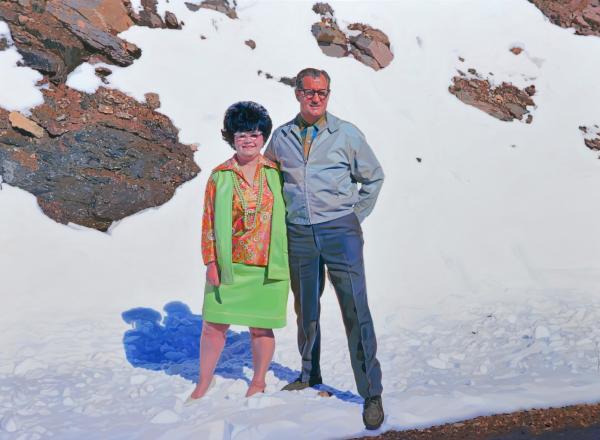
Robert Townsend’s new solo exhibition, Wanderlust, is now at Altamira Fine Art, in Jackson, Wyoming. Los Angeles-based photorealist painter Robert Townsend is known for his boldly colored paintings of Americana. Wanderlust explores the life and times of his 1960’s muse, Helen, featuring new large-scale oils and watercolors.
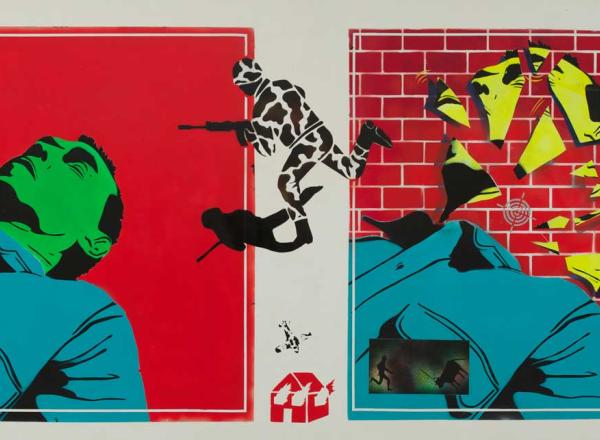
At the Whitney’s retrospective of David Wojnarowicz, social and cultural contexts mark the artist’s stunning and expansive body of work.
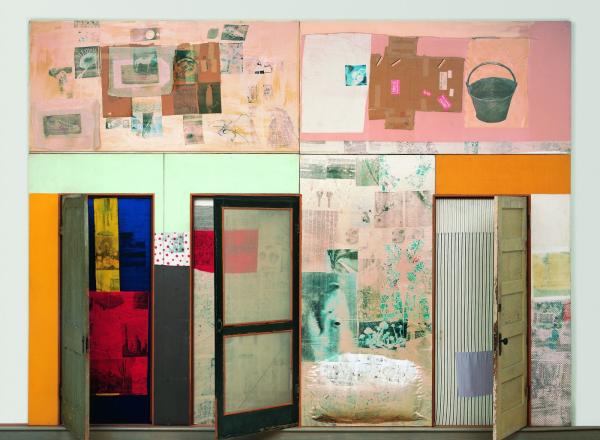
Now at the Los Angeles County Museum of Art (LACMA), In and About LA showcases the late Robert Rauschenberg’s photographic exploration of Los Angeles. A pioneering American artist whose groundbreaking work anticipated the Pop Art movement, Rauschenberg worked in a wide range of subjects, styles, materials, and techniques, utilizing photography, printmaking, papermaking, and performance. In 1950, he began making "Combines," which bridged photography, found objects and painting, blurring the line between painting and sculpture, merging kitsch and fine art.
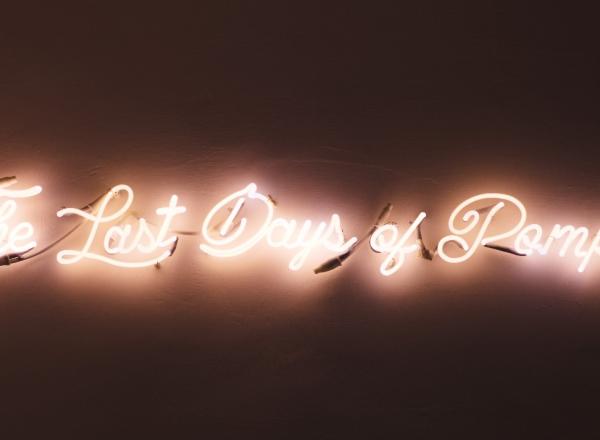
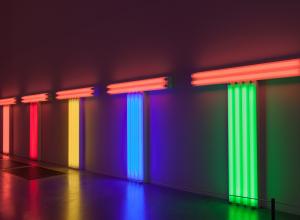
Now at the MIT List Visual Arts Center, The Last Days of Pompeii, an installation by multidisciplinary artist Delia Gonzalez, creates a multimedia environment, using intricate drawings, neon sculpture, architecture and music. Gonzalez's multi-layered work is informed by many sources, including history, surrealism, mythology, and mystical traditions. The Last Days of Pompeii uses the dramatic destruction of that ancient Roman city to allude to cycles of destruction and renewal, and current issues of ecological, economic, or political disaster.
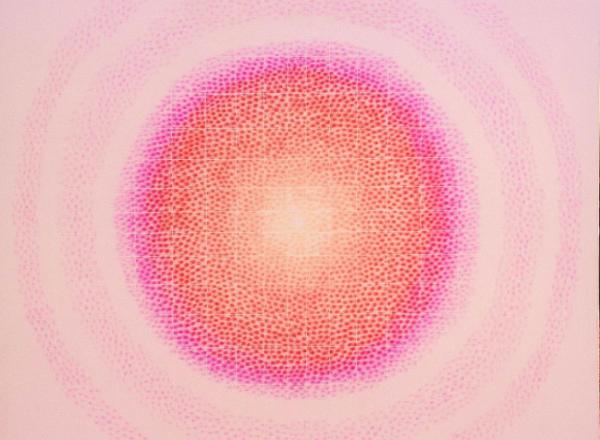
Aicon Gallery in New York is showcasing the work of New Delhi-based Shobha Broota. An educator and award-winning artist, Broota has had a 60-year career exhibiting internationally. Resonance is her first solo show in New York. The exhibition includes work from the past decade, representing two types of abstractions the artist has explored.
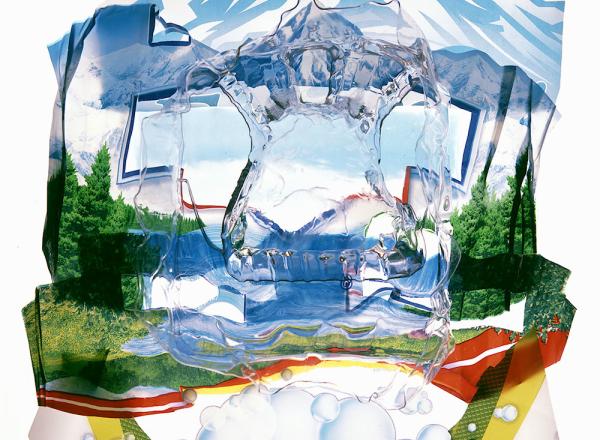
In conjunction with the Denver Art Museum exhibition, New Territory: Landscape Photography Today, Robischon Gallery presents Gary Emrich: All Consumed. Work from this series is featured in New Territory, which explores unconventional contemporary landscape photography from around the world. For All Consumed, Emrich combines artist-generated and appropriated imagery to create distorted yet familiar landscapes.