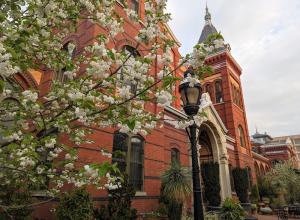
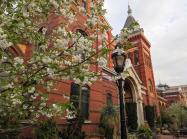
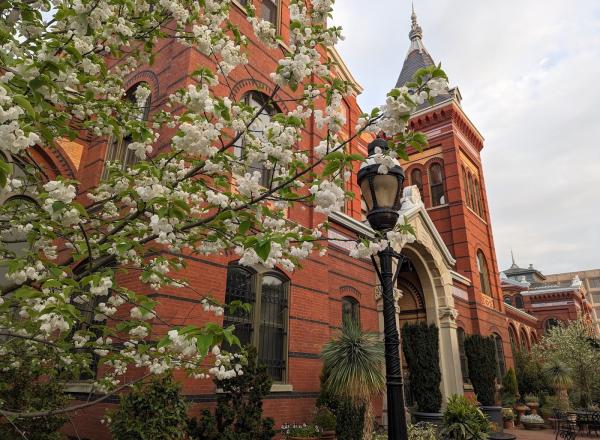
After years of deliberation and delay, the National Museum of the American Latino (NMAL) has found a home in the Arts and Industries Building, a 145-year-old redbrick Victorian structure sitting between the iconic Smithsonian castle and the Hirshhorn Museum on the National Mall.
Art Galleries & Museums
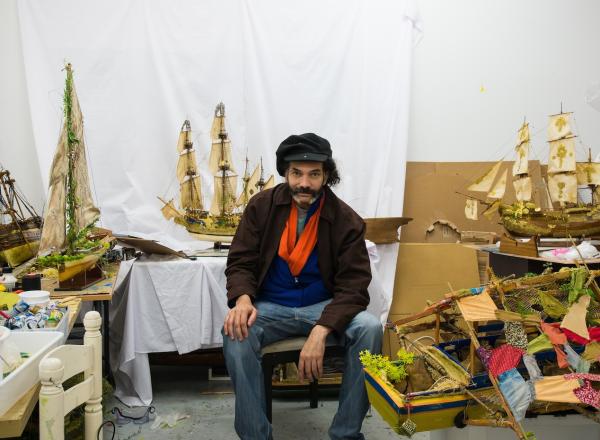
Internationally renowned, award-winning Guyanese-British sculptor and visual artist Hew Locke (b. 1959) has a solo exhibition opening at P·P·O·W in New York City. For over four decades, Locke’s richly detailed, beautifully riveting, densely imagined work has explored colonialism, identity, and history through powerfully evocative imagery.
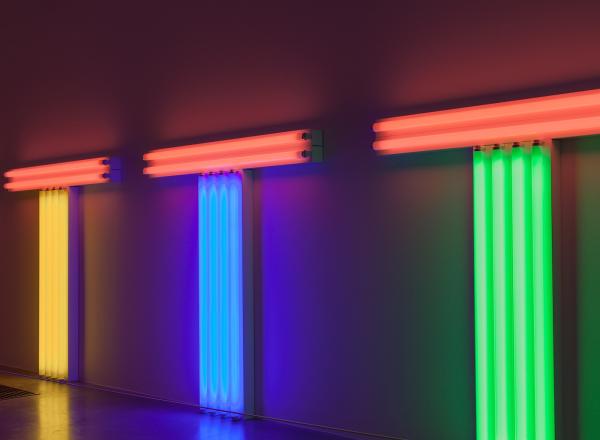
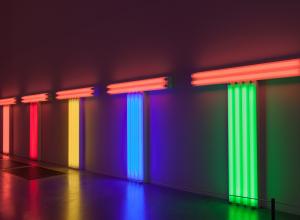
My first exposure to Dan Flavin’s classic fluorescent works was in 1969 at the Whitney Museum of American Art. As a young student, I was mesmerized by the exuberant colors and equally puzzled by the use of commercial lighting. Art or hardware?
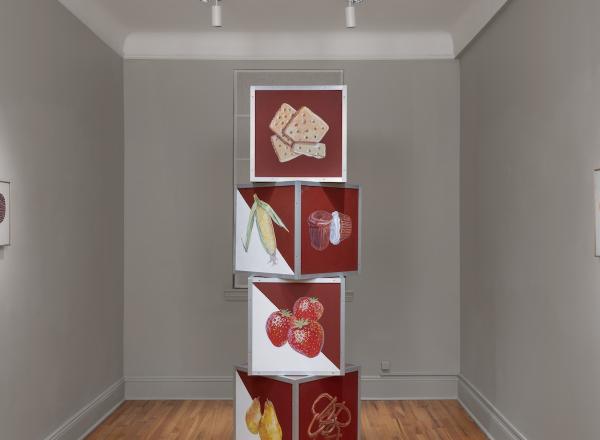
Don Nice (1932–2019) was a relatively unknown, idiosyncratic artist whose roots spread across the American art landscape from 1960s Pop art back to mid-20th-century American modernism.
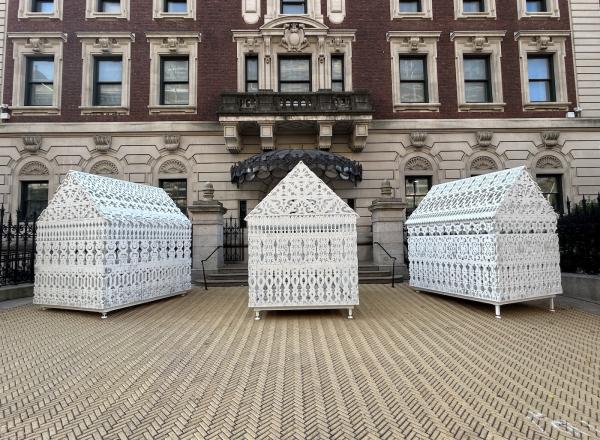
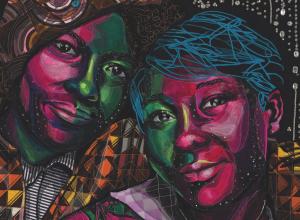
La Vaughn Belle’s compelling installation, The House that Freedoms Built, debuts at the Rollins Museum of Art in Winter Park, Florida on July 24th. The installation premiered publicly at Cooper Hewitt as part of the 2024 design triennial.
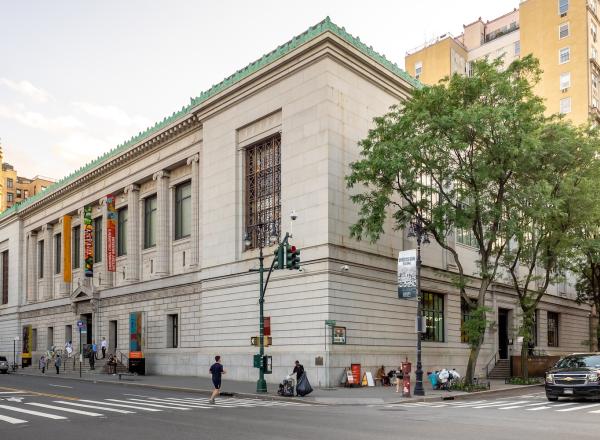
Two major additions to American culture opened their doors within days of each other after multi-year projects strategically planned to culminate during the country’s 250th anniversary: the Obama Presidential Center in Chicago and the Tang Wing for American Democracy at the New York Historical in Manhattan.
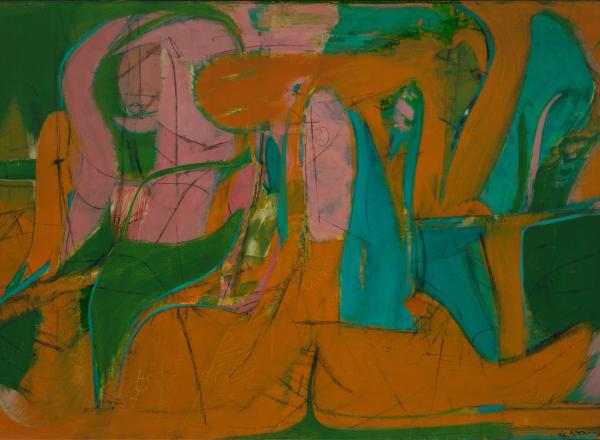
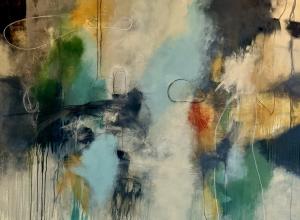
Willem de Kooning is a name recognized worldwide for his impact on the development and growth of Abstract Expressionism in America. However, back in his early days, he was one of a small group of struggling New York painters attempting to create work expressing new ideas in a world recovering from the calamity that was WWII.
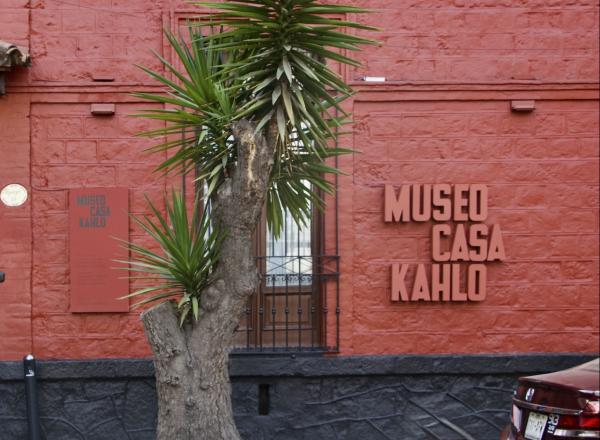
On a quiet residential corner in the Coyoacán section of Mexico City sits the cobalt blue house where Frida Kahlo was born, painted, and lived for more than four decades. The Casa Azul is at once a home and a monument: its courtyard garden hums with fountains and dappled shade, while its rooms hold the intimate wreckage and triumph of a singular life.
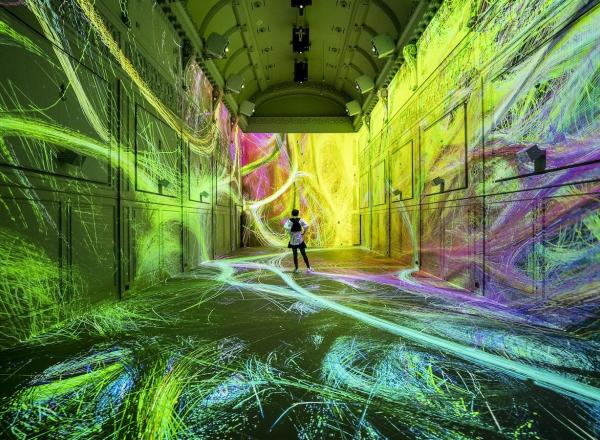
It has been roughly 10 years since data artist Refik Anadol opened his studio in Los Angeles, leaving an indelible mark on the city.
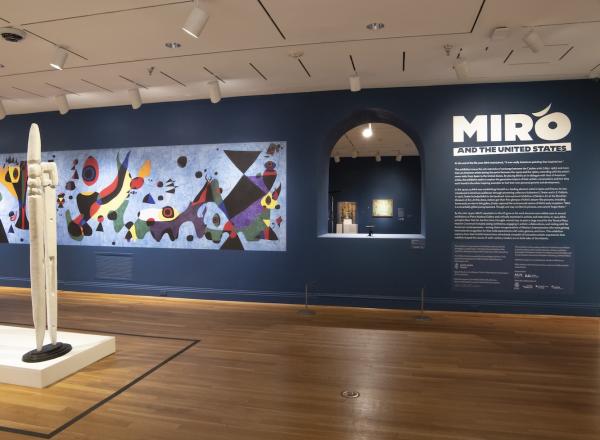
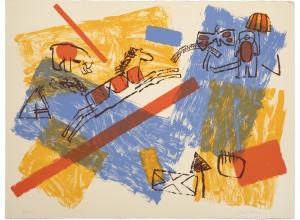
Joan Miró, the Catalan painter, had a successful retrospective at MoMA in 1941 and an exhibit with his dealer, Pierre Matisse (Matisse’s son), in 1945. Miró first visited the United States in 1947—one of seven visits to the States—and was included in the New American Paintings at MoMA in 1991.