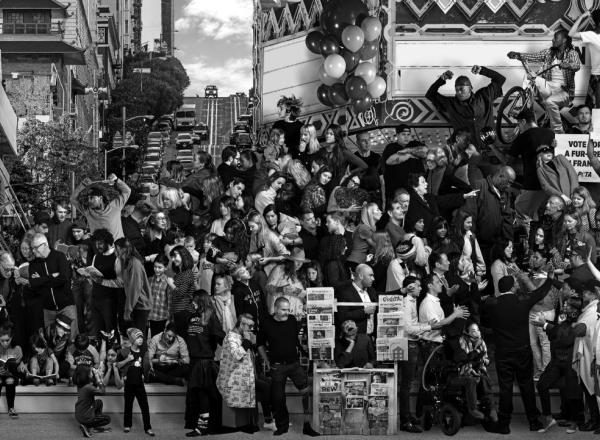
His murals have graced walls from Paris to Israel and Ellis Island. Now the world-renowned muralist JR has left his mark on San Francisco for the first time.
Art Galleries & Museums
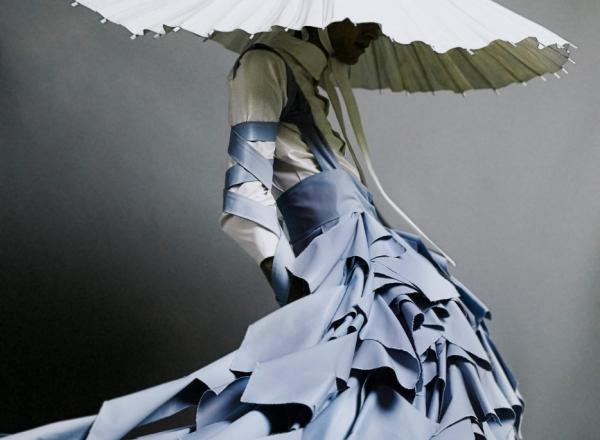
Michelle Finamore, the Museum of Fine Arts Boston’s Penny Vinik Curator of Fashion Arts, explores the rich history of gender in fashion in a tradition-disrupting exhibition, now on view. For a museum whose first curator of contemporary art was not appointed until the 1970s, the MFA’s trajectory into 21st-century collecting has been rocket-like. Gender Bending Fashion seeks to continue this modernization by drawing the interest of communities not usually found wandering the galleries of this august institution.
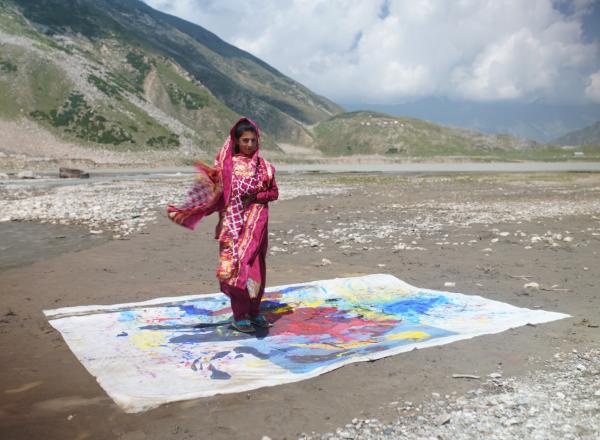
London-based artist Nasser Azam is a modern day Renaissance man.
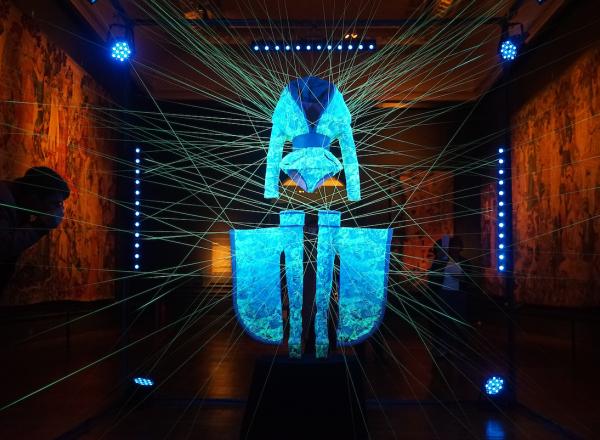
In an ever-changing world, artists and designers seek to simultaneously make sense of the change and to shape it. That challenge has never been greater in the industrialized, digitized 21st century, which shifts and grows at an exponentially increasing pace. Nature—Cooper Hewitt Design Triennial, the museum’s sixth triennial, brings together a wide range of designers engaging with art and science in cutting-edge ways to address one of the major challenges of our time.
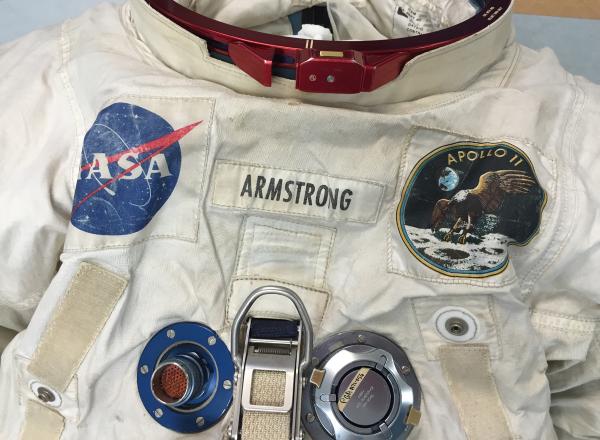
You’d expect that the suit used to protect Neil Armstrong from the harsh atmosphere of the moon would endure a little wear and tear. But it may surprise you that nearly 30 years in a display at the Smithsonian’s National Air and Space Museum (NASM) has also taken its toll on this iconic piece of American history.
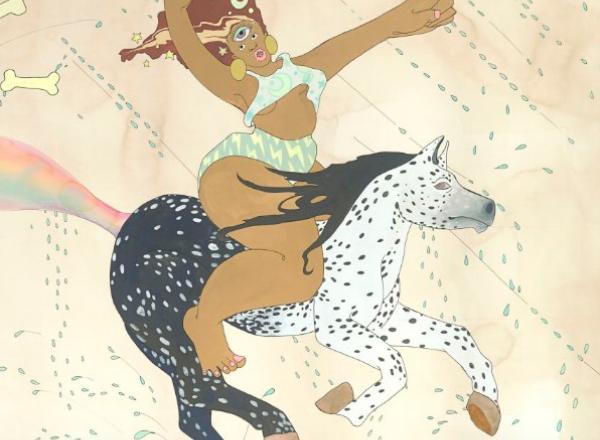
A pair of exhibitions–Art after Stonewall at NYU’s Grey Art Gallery and Leslie-Lohman Museum of Gay and Lesbian Art and Nobody Promised You Tomorrow: Art 50 Years After Stonewall at the Brooklyn Museum–mark the 50th anniversary of the Stonewall riots. Separately they manage just that balancing act. Together, they connect the past and present in striking ways, while pointing to a future in which the spirit established that night on Christopher Street will continue to move with the times.
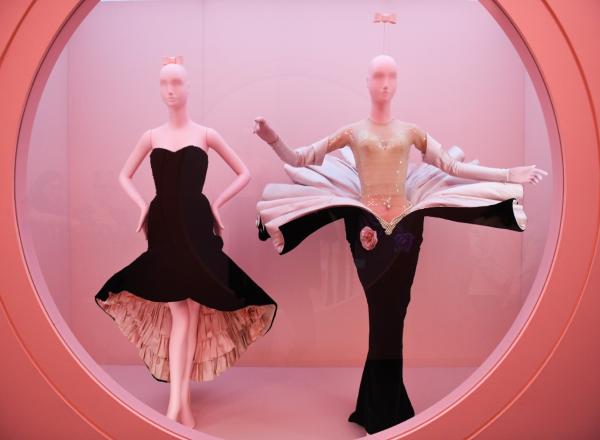
In this summer’s sweeping fashion exhibition at the Metropolitan Museum of Art’s Costume Institute, a notoriously difficult to pin-down concept is on display. Camp: Notes on Fashion, on view through September 8, is an exuberant, colorful exhibition that simultaneously addresses and artfully dodges the question, “What is ‘Camp’?”
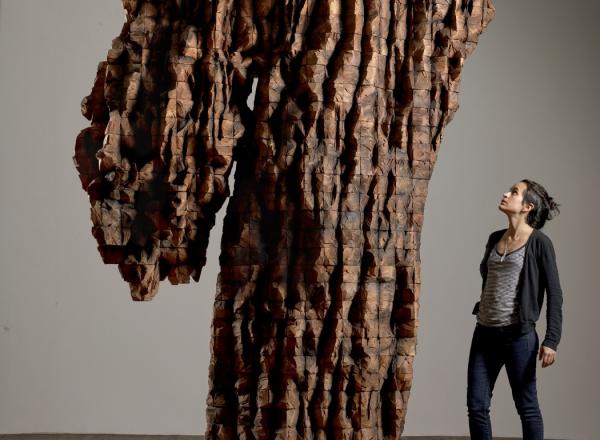
Ursula von Rydingsvard is a master of translating the complex emotional world of the human condition into physical, sculptural form. Her most ambitious solo exhibition to date, The Contour of Feeling, now at the National Museum of Women in the Arts (NMWA), showcases this talent.
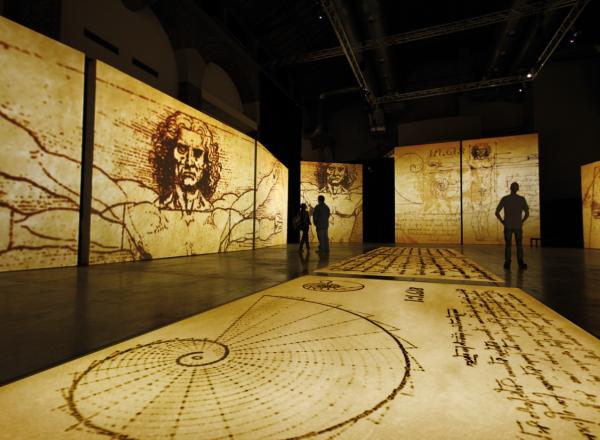
500 years after his death on May 2, 1519, the accomplishments of Leonardo da Vinci, the quintessential Renaissance man, are still astounding. In a year marked by exhibitions and celebrations around the world, the Denver Museum of Nature and Science is commemorating the 500th anniversary of da Vinci’s death with the most comprehensive exhibition ever presented on his life's work.
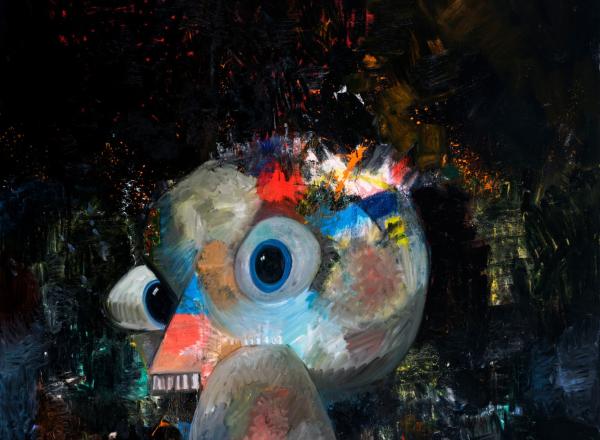
It’s an enormous monochromatic oil on linen composition featuring a jumble of figures, some consuming media, newspapers, TV screens, all crushed to near abstraction, suggesting a cacophony of sound. Painted by George Condo in 2018, its title, What’s the Point?, also happens to be the title of his new show at Sprüth Magers in Los Angeles through June 1.