

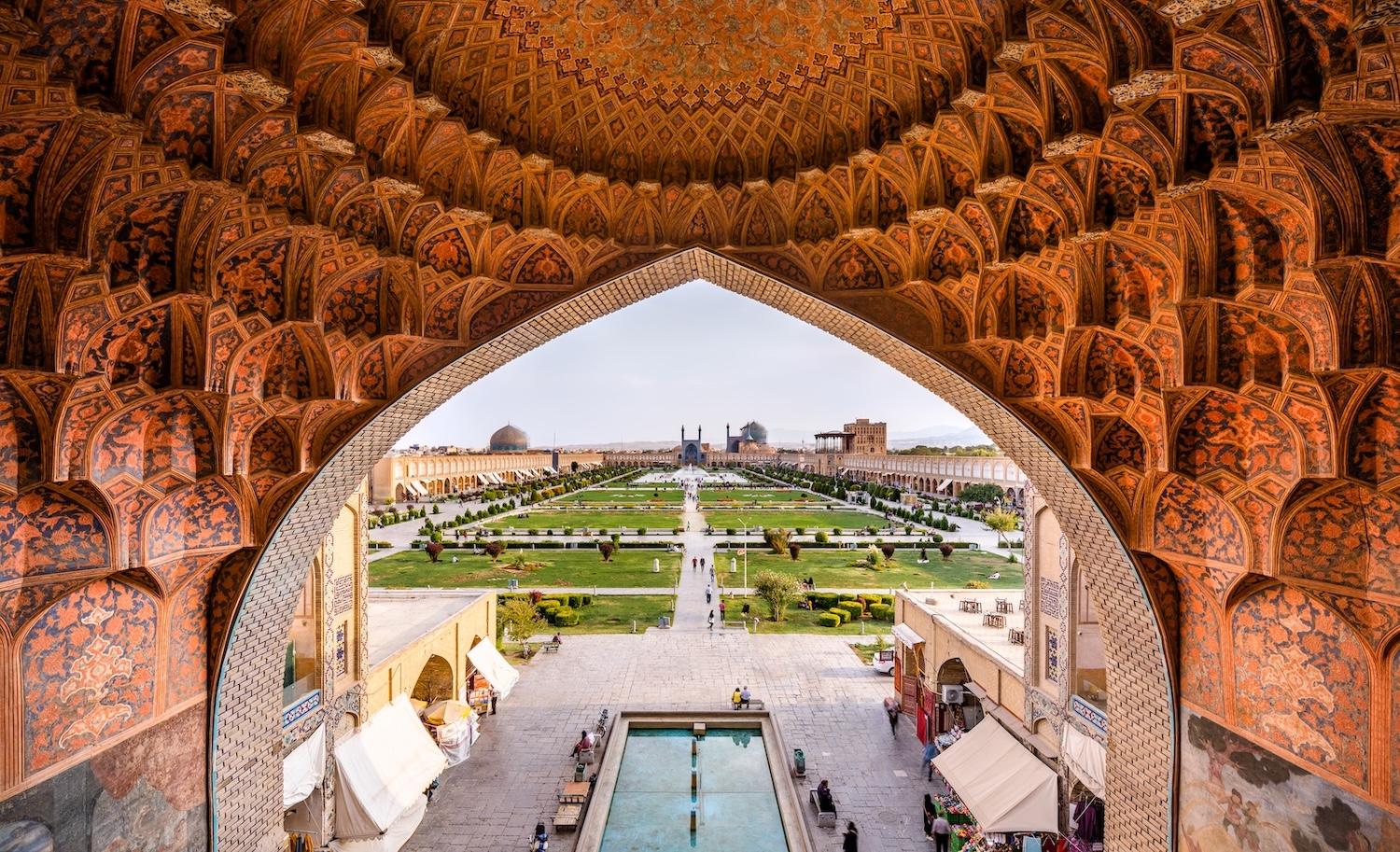
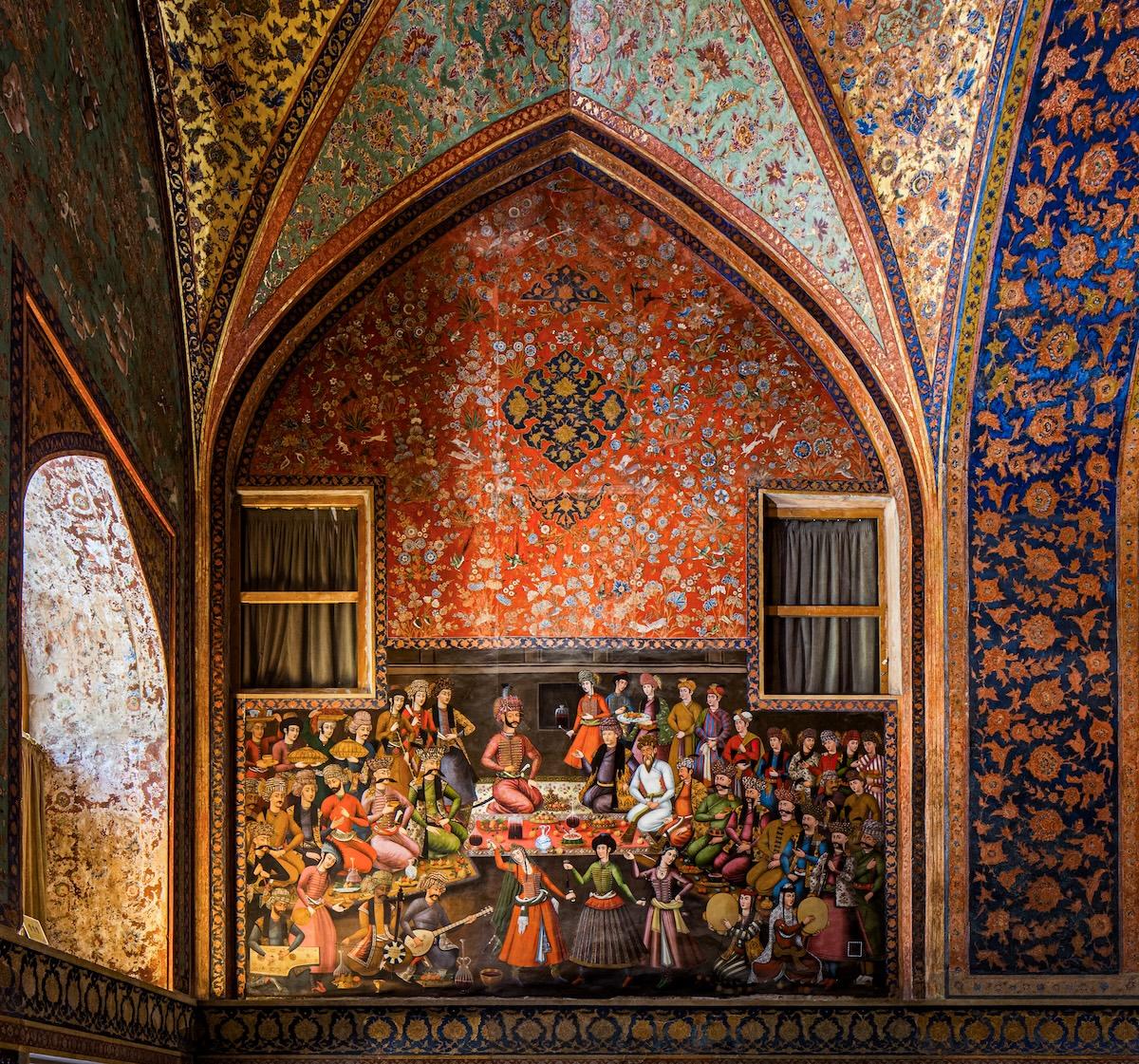
Airstrikes in early March aimed at a governor’s building in Isfahan reverberated outward to shatter everything from windows to decorative wall tiles in Naqsh-e Jahan Square and Chehel Sotoun Palace. To the west, an 1800-year-old fortress in the Khorramabad Valley, near prehistoric caves settled by early humans as they dispersed out of Africa, was damaged. UNESCO’s satellite imagery confirmed harm done to more than half a dozen sites elsewhere, but Iran representatives have counted many more.
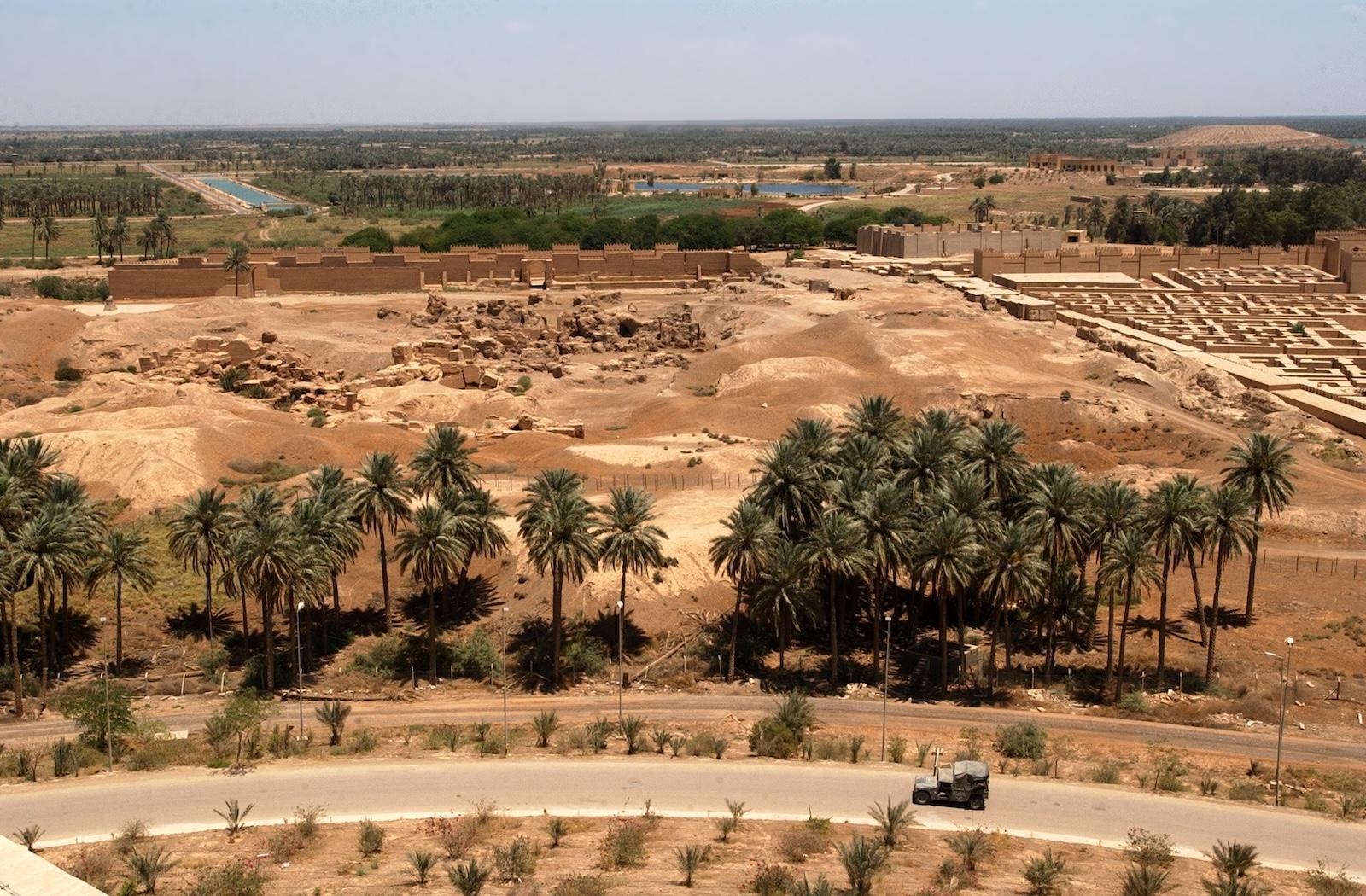
There are very few examples of damage to UNESCO-listed cultural sites during the two decades of American and allied military action in Iraq, Syria, Libya, and Afghanistan. The widely-criticized use of the ancient city of Babylon as a coalition military base in the early 2000s and the looting of the Baghdad museum prompted much stricter Pentagon policies. All parties in a conflict are generally given “no strike lists” with schools, hospitals, and cultural sites to avoid, unless there is a defensible reason not to. However, President Trump and Secretary of War Pete Hegseth have made it clear that such policies stand in the way of their objectives. Even if they were more amenable to avoiding certain sites, shockwaves from bombs can travel almost 20 times faster than the speed of sound, causing structural harm to buildings nearly a kilometer away from a detonation.