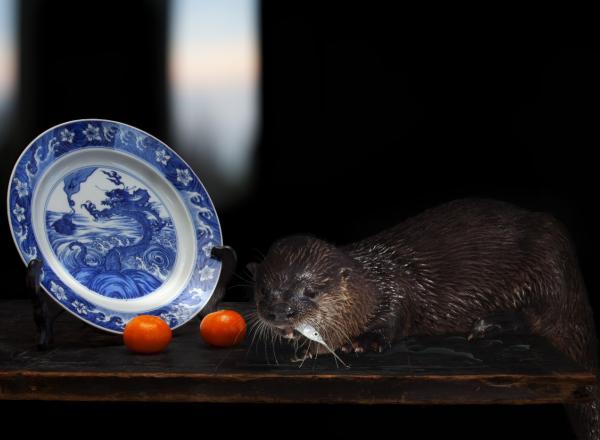
In Order of Imagination: The Photographs of Olivia Parker, now at the Peabody Essex Museum, Parker creates intimate moments through a variety of subject matter.
Art Galleries & Museums
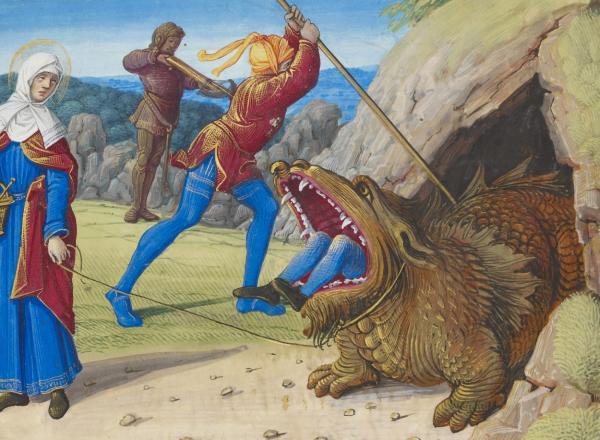
Monsters exert a timeless fascination, and have often been used as a metaphor for the strange, different, extraordinary and appalling.
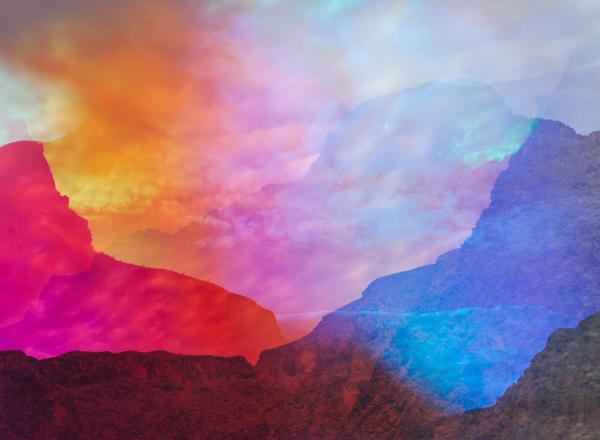
Combining landscape photography with psychedelic colors, Terri Loewenthal creates striking photographic works evoking the wild soul of nature, now on view at Jackson Fine Art in Atlanta, GA.
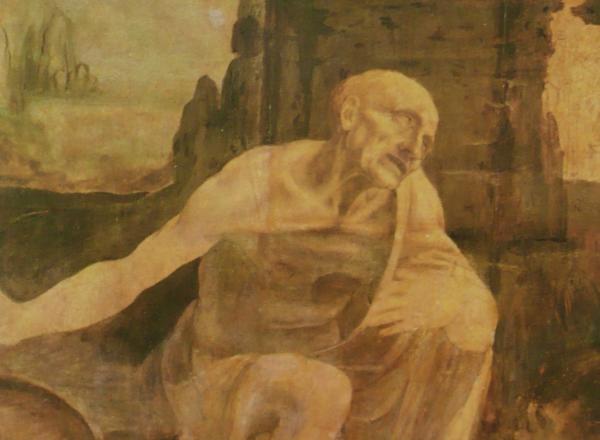
Beginning this week, the Metropolitan Museum of Art will display the da Vinci masterpiece Saint Jerome Praying in the Wilderness, on special loan from the Vatican Museums.
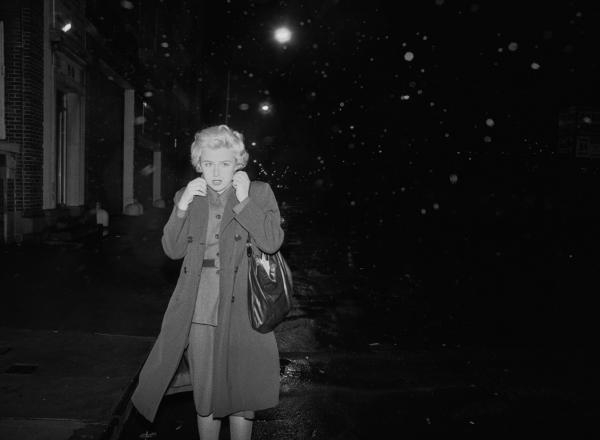
For nearly five decades, Cindy Sherman has been playing hide and seek with her audience. Always not quite herself, her self-portraits in elaborate disguises have offered poignant commentary with humor and mystery. Now the evolution of her practice is on full display in a retrospective at the National Portrait Gallery, London.
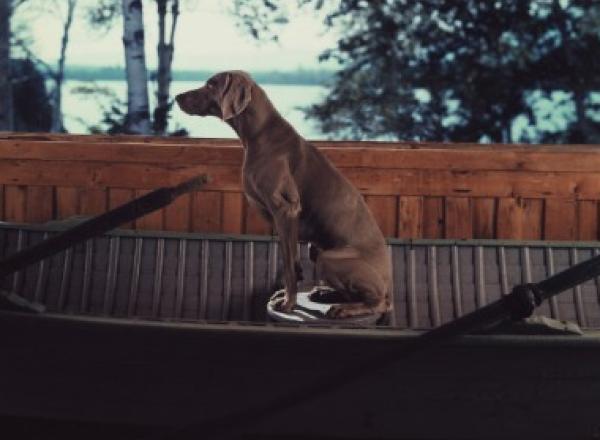
All heads turned and smiles lit up the room as two athletic Weimaraners, Flo and Topper, bounded excitedly through the crowd followed by their guru, famed artist/photographer, William Wegman. The occasion was the opening reception for Outside In, a mind-expanding exhibition spanning over four decades in the prolific career of one of America’s most beloved artists.
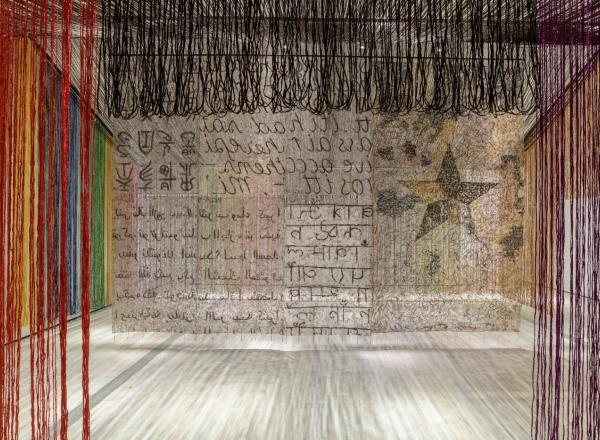
You’ll find works from some of the most influential contemporary Chinese artists, such as Ai Weiwei, Cai Guo-Qiang, Xu Bing, and Yin Xiuzhen at the Los Angeles County Museum of Art (LACMA) this summer. Although well-known in the Chinese contemporary art scene, most of these artists are still little-known in the United States.
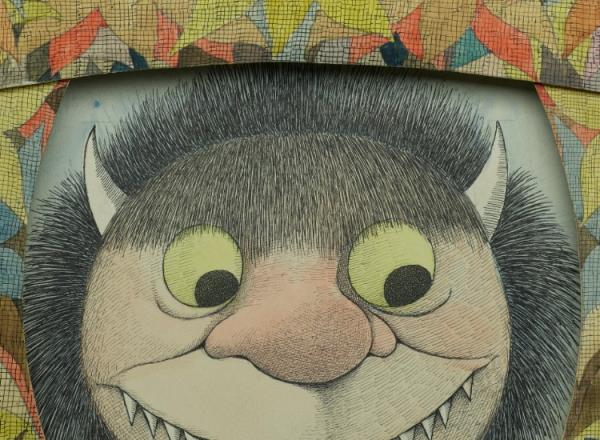
For generations, children have been transported to a magical world of monsters and raucous parties by Maurice Sendak’s classic book Where the Wild Things Are. His fun romp through main character Max’s imagination has delighted readers since its publication in 1963, and it remains a classic, still voted by contemporary audiences as one of the greatest children’s books of all time.
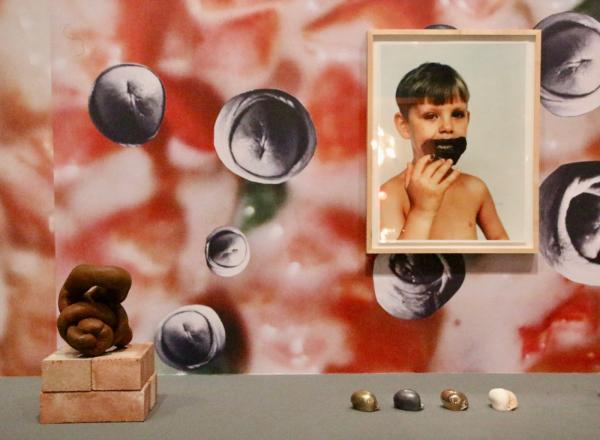
If you plan to see Au Naturel, the current survey of Sarah Lucas at Los Angeles’ Hammer Museum, best leave your penis at home. The show has plenty to spare, whether it’s the feminist artist’s Penetralia pieces from 2008, a series of phallus-shaped sculptures made mainly from plaster and wood, or 2013’s Eros, featuring a nine-foot concrete appendage lying atop a compacted car (below). It makes an ideal complement to her Soap wallpaper (above) from 1989 featuring uncircumcised penis heads staring back at viewers like alien cyclopes.
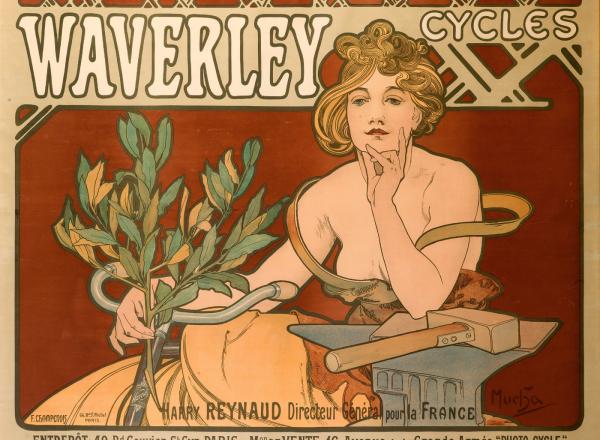
Posters, in all their various forms and purposes, are a ubiquitous and often over-looked art form. This week in New York, a new museum is opening devoted to their conservation and study. The Poster House, located in Chelsea at 119 West 23rd Street, is the first museum in the United States dedicated exclusively to posters.