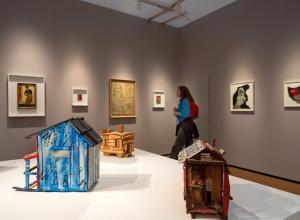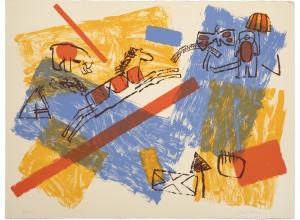



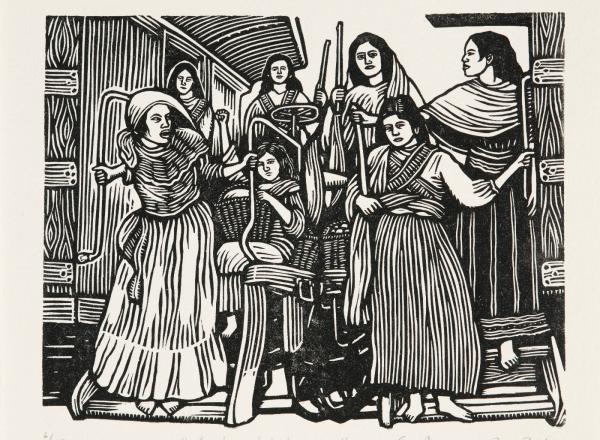
Now on view at McNay Art Museum, La Revolución Mexicana: 100 Years Later marks the centennial of the end of the Mexican Revolution (1910-1920) with a spotlight on Michoacan printmaker Artemio Rodriguez
Art News
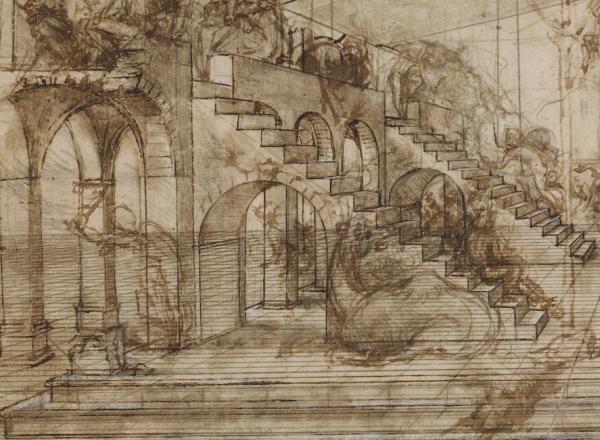
In a world of da Vinci biographical sketches, Bambach's four-volume tome, Leonardo Da Vinci Rediscovered, is a masterpiece.

SEATTLE, WA – The Seattle Art Museum (SAM) and the Betty Bowen Committee, chaired by Gary Glant, announced today that filmmaker Lynne Siefert is the winner of the 2019
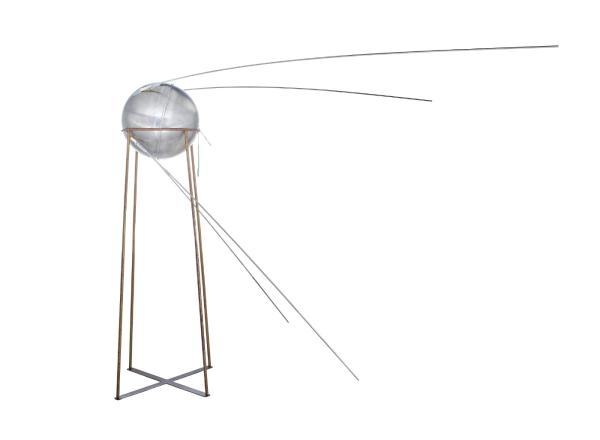
On October 4, 1957, the Soviet Union shocked the world when it successfully launched the world’s first artificial satellite, Sputnik-1.
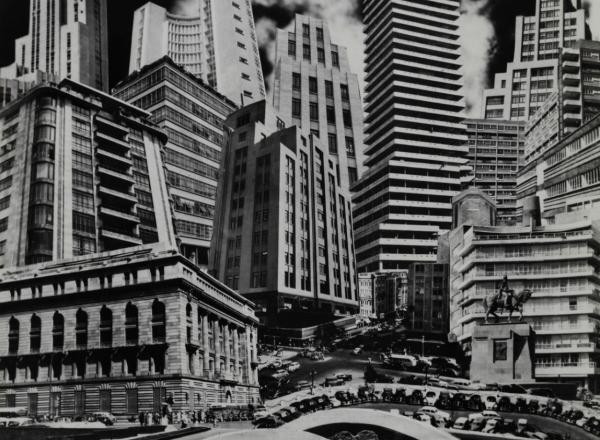
The Art Institute of Chicago presents an examination of midcentury art and design with In a Cloud, in a Wall, in a Chair: Six Modernists in Mexico at Midcentury, on view from September 6, 2019–January 12, 2020.
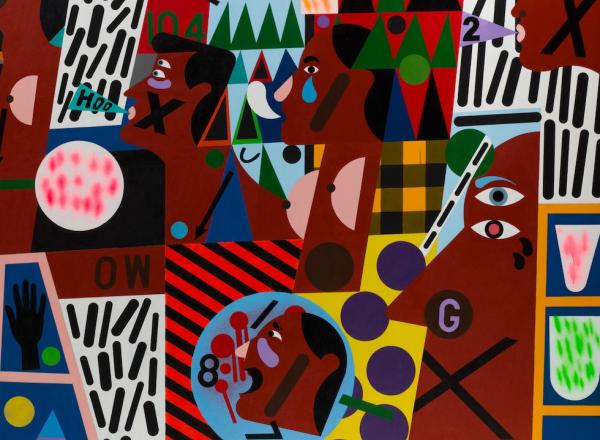
From September 20 to October 4, Bonhams announces an exclusive exhibition, Q-Tip: The Collection, the contemporary art collection of internationally renowned rapper, record producer, singer, actor, DJ, solo artist and member of the groundbreaking American hip-hop collective A Tribe Called Quest.

Why so many languages invented words for colors in the same order.
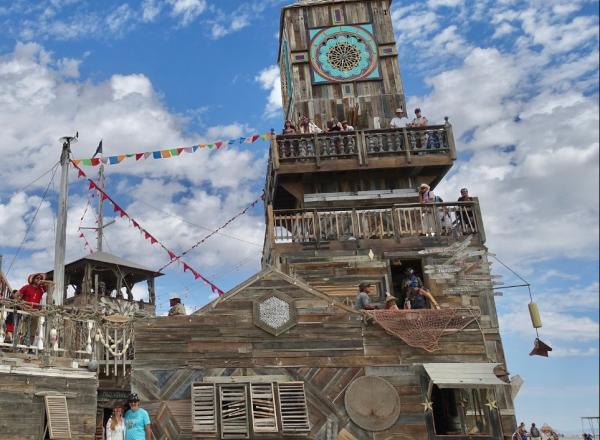
In case you couldn't make it to Black Rock City and the Playa this year, here are nine stunning art installations from this year's Burning Man.
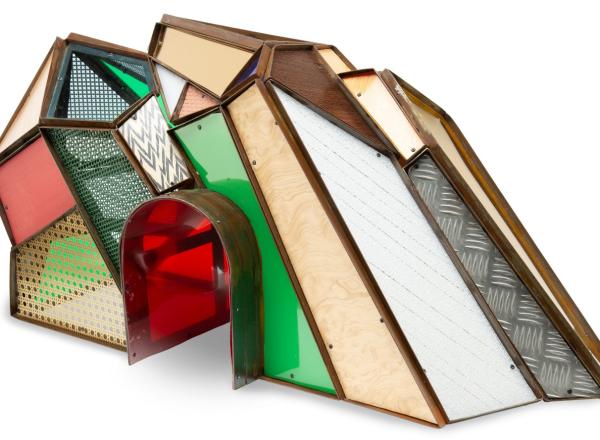
Works from the personal archive of renowned artist Dennis Oppenheim that were donated to the only skyscraper designed by Frank Lloyd Wright are coming to auction for the first time in Heritage Auctions’ Design Auction Oct. 1 in Dallas, Texas.
The Los Angeles Police Department is asking for your help in returning over 100 works of art to their rightful owners.