
At Large  July 8, 2026  Annah Otis

The Latest Impacts of War on Iran's Cultural Heritage

WikiCommons

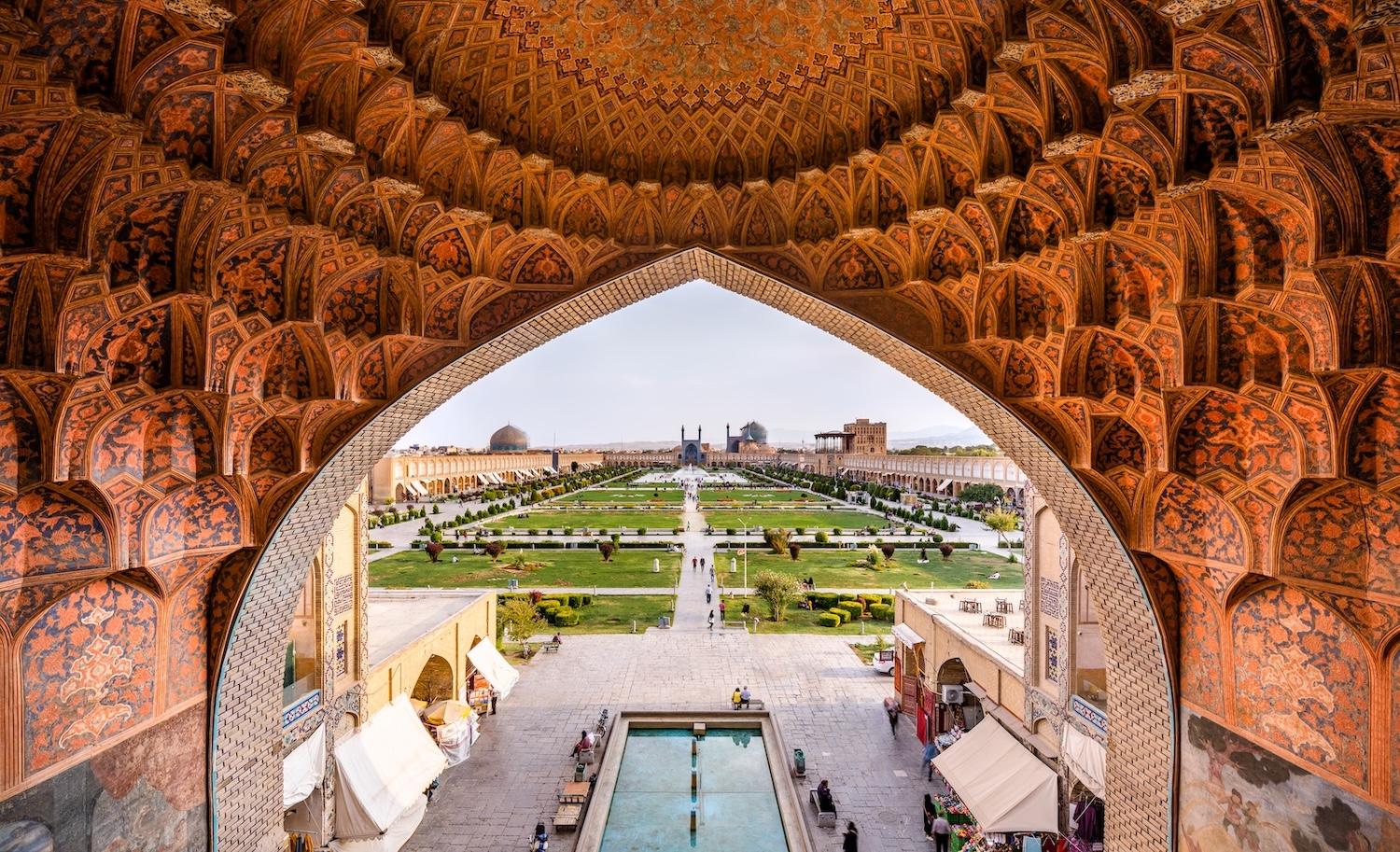
Naqsh-e Jahan Square from the Qeysariyeh Gate in Isfahan. License.

More than 130 museums and historic landmarks in Iran have been damaged since the conflict with Israel and the United States erupted in January, despite efforts to mark protected locations and pleas from international groups to use caution. Among the casualties are at least seven of the country’s 27 UNESCO World Heritage Sites and two of its most treasured cultural complexes in Isfahan. While nothing compares to the tragic loss of civilian lives, the blatant disregard for centuries-old cultural heritage and the international laws protecting it signal a disconcerting shift in military operations as irreplaceable testaments to human artistry and identity are destroyed.

WikiCommons

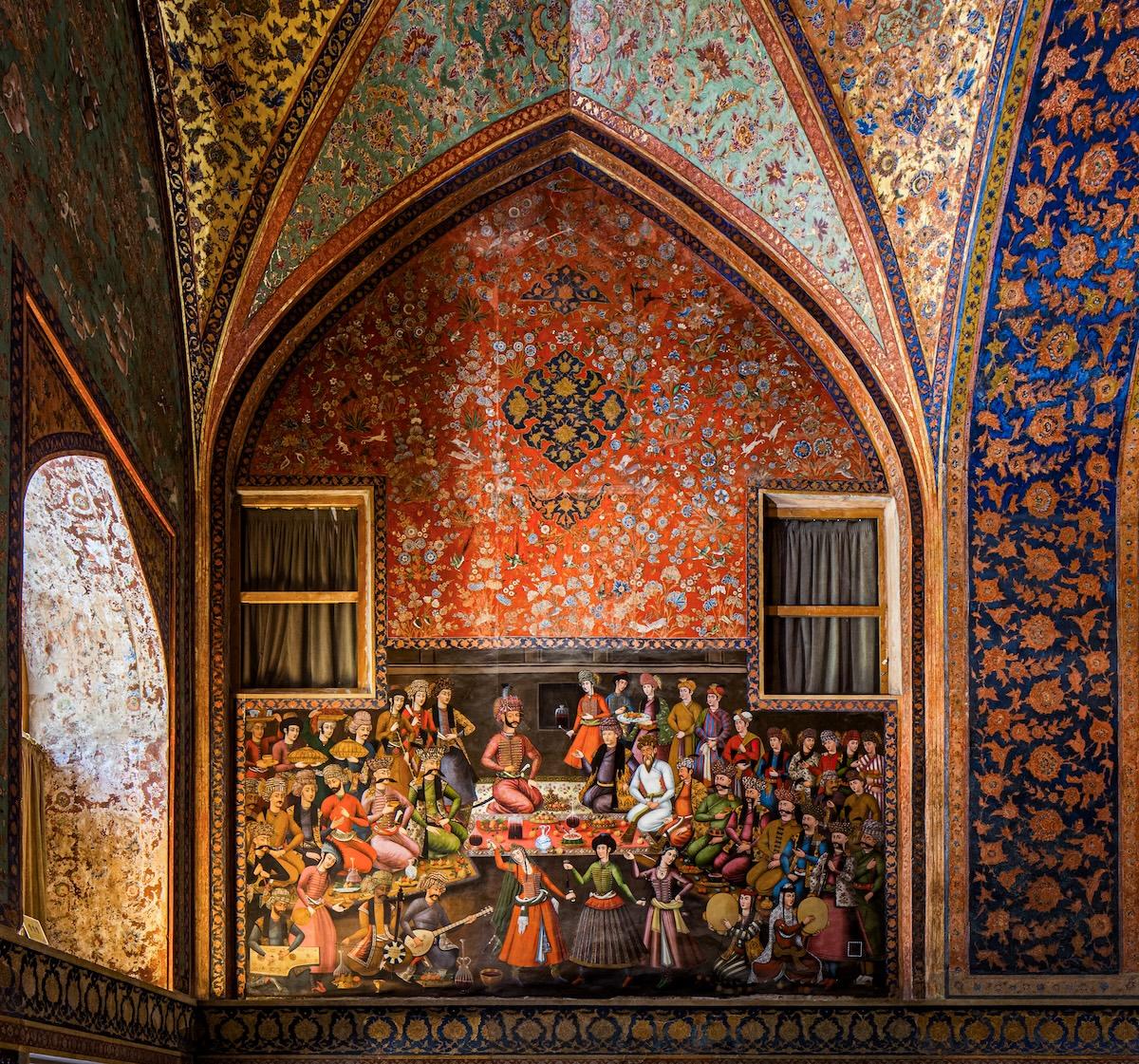
A painting within Chehel Sotoun Palace in Isfahan. License.

Airstrikes in early March aimed at a governor’s building in Isfahan reverberated outward to shatter everything from windows to decorative wall tiles in Naqsh-e Jahan Square and Chehel Sotoun Palace. To the west, an 1800-year-old fortress in the Khorramabad Valley, near prehistoric caves settled by early humans as they dispersed out of Africa, was damaged. UNESCO’s satellite imagery confirmed harm done to more than half a dozen sites elsewhere, but Iran representatives have counted many more.

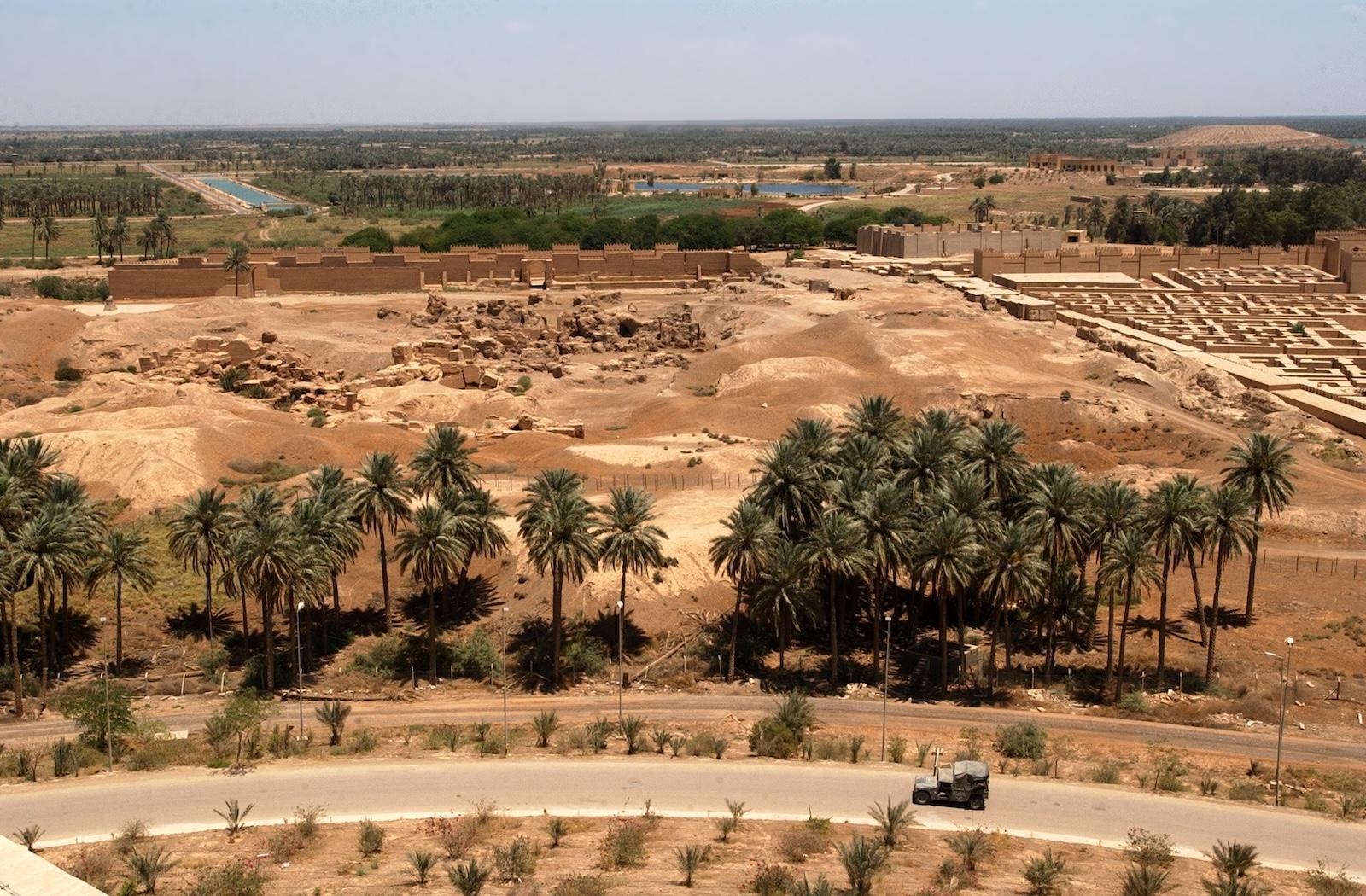
There are very few examples of damage to UNESCO-listed cultural sites during the two decades of American and allied military action in Iraq, Syria, Libya, and Afghanistan. The widely-criticized use of the ancient city of Babylon as a coalition military base in the early 2000s and the looting of the Baghdad museum prompted much stricter Pentagon policies. All parties in a conflict are generally given “no strike lists” with schools, hospitals, and cultural sites to avoid, unless there is a defensible reason not to. However, President Trump and Secretary of War Pete Hegseth have made it clear that such policies stand in the way of their objectives. Even if they were more amenable to avoiding certain sites, shockwaves from bombs can travel almost 20 times faster than the speed of sound, causing structural harm to buildings nearly a kilometer away from a detonation.

WikiCommons

A Marine Corps vehicle drives down a road in front of the ruins of ancient Babylon in 2003. License.

The response from scholarly and legal communities has been swift, as more than 400 academics and researchers signed a statement condemning the destruction. Invoked in their statement is the 1954 Hague Convention for the Protection of Cultural Property in the Event of Armed Conflict, which was enacted after World War II to prevent the unnecessary loss of humanity’s greatest cultural treasures. It rests on two obligations: respect and safeguarding. The aforementioned statement called on the United States, Israel, and those supporting them to accept financial and moral accountability for documenting, assessing, and restoring war-related damage. Whether they will do so remains to be seen.

Although the number of cultural sites impacted has been tallied, the extent of their destruction and exactly what it will take to bring them back to their former state is still unknown. Beyond the loss of valuable cultural heritage, the loss of these palaces and archeological sites represents a significant blow to local economiesTourism remains a primary economic driver for cities like Isfahan. For the dozens of people whose livelihoods depend on it, questions of restoration and international accountability are only beginning. The answers will likely take years to unfold.

About the Author

Annah Otis

Annah Otis is a New York City-based contributor to Art & Object with a master’s degree in art history. She is also a marketing communications executive.

Subscribe to our free art newsletter!

Webform
Art and Object Marketplace - A Curated Art Marketplace