Gallery  June 1, 2026  Dian Parker

Celia Paul’s Paintings Speak to Loss, Solitude, and Identity

© Celia Paul. Courtesy the artist, Gladstone and Victoria Miro.

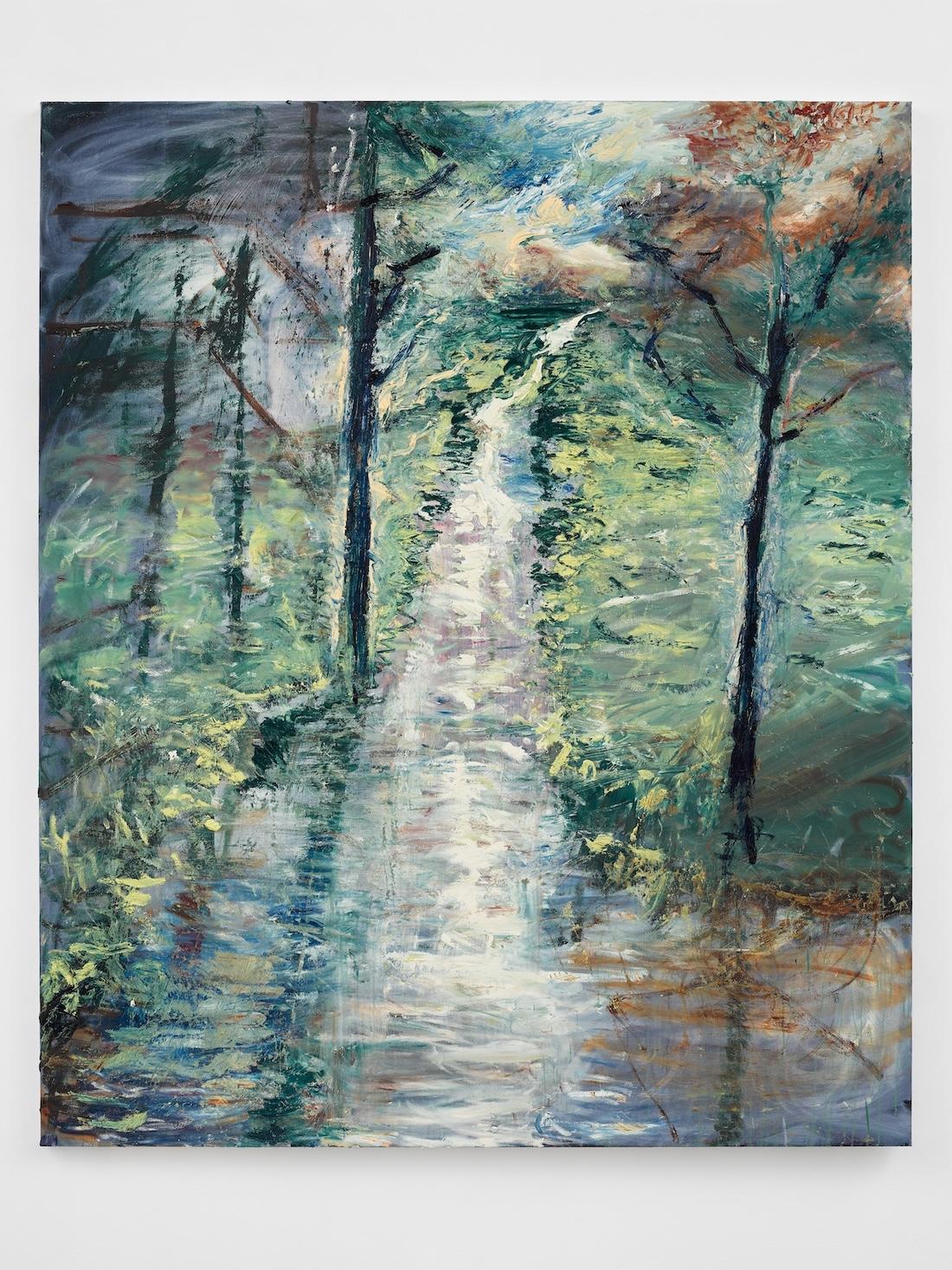
Celia Paul, Two Trees After the Storm, 2025, Oil on canvas, 72 x 60 inches (182.9 x 152.4 cm)

There is a mystical aura that surrounds Celia Paul’s paintings, as if they lived in another atmosphere. The air around and within them emanates a different frequency: vibrations almost not human. Her figures are not corporal; they’re more like music, phrases in the air. Even the colors are not flesh, as if in a dream. Each painting, whether figure or object, seascape or self-portrait, is distinctly hers. She’s difficult to compare to another artist. There is writing like her paintings, such as Vikram Seth’s An Unequal Music or Emily Dickinson’s poetry, that move beyond words and are also more akin to music.

© Celia Paul. Courtesy the artist, Gladstone and Victoria Miro.

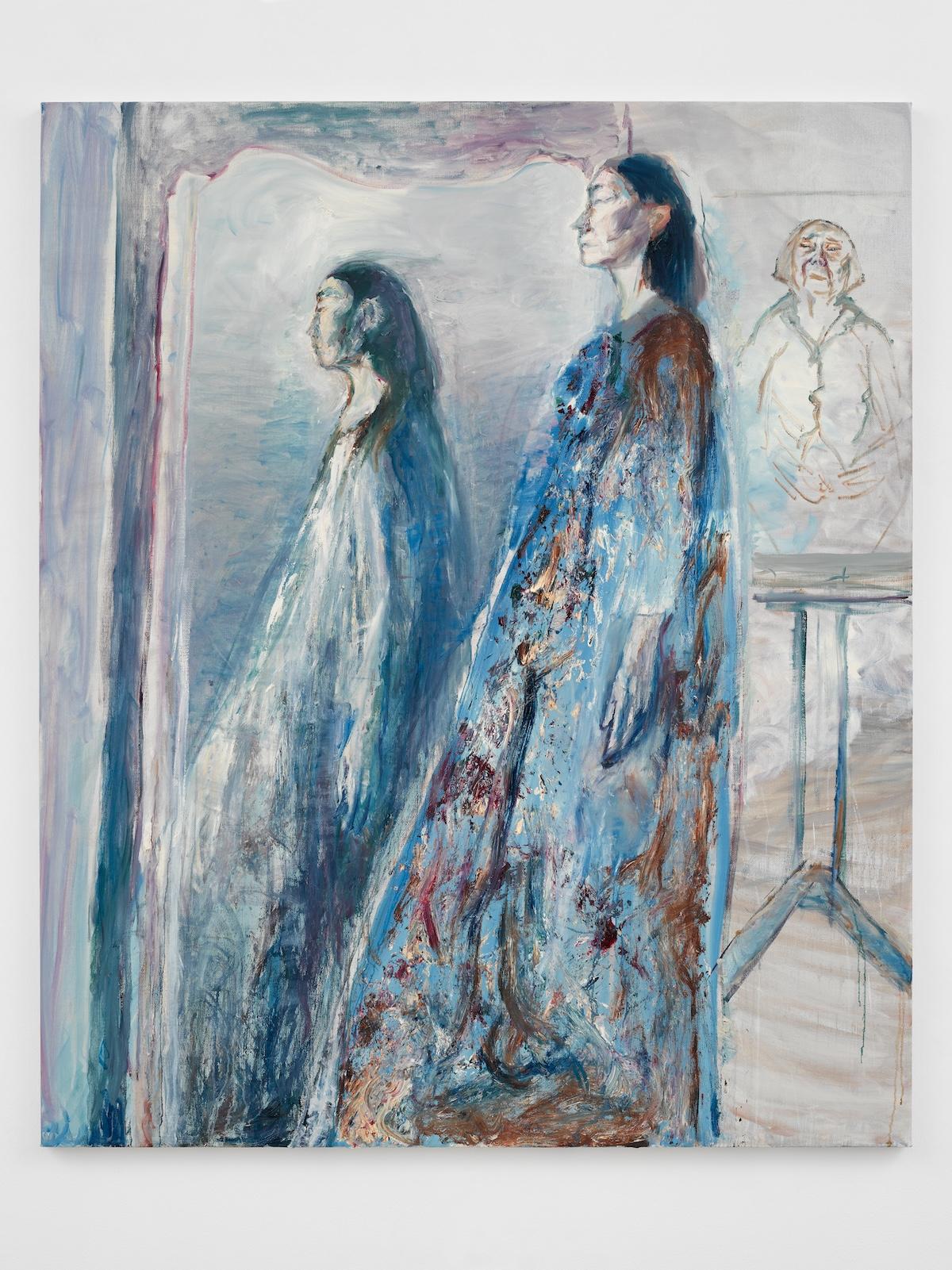
Celia Paul, My Mother, Myself and I, 2025, Oil on canvas, 72 x 60 inches (182.9 x 152.4 cm)

And, it’s no wonder. Paul paints in the same studio which has been her home for the last 44 years, devoid of furniture, objects, and pictures on the wall. She is an aesthetic and a loner who chooses solitude and silence. This is not so much austerity any more than a tree alone in a field is austere. Paul is very much alive, because she chooses to be inside herself, inside her work. One can feel this in her paintings, the way they are deep yet suspended and other-worldly. The otherness in her paintings is deeply female, holding the mystery of the feminine. There are not many artists doing what Paul has chosen to do—isolating themselves to work. She remains alone, so she can mine deeper. In this way, as Paul told me, she “cultivates stillness.”

Take a look at a recent painting titled My Mother, Myself and I, now on view at Gladstone Gallery in New York. There are three figures: Celia, her reflection in the mirror, and her mother in the background on an easel—a work in progress. All three figures appear in a state of becoming, not yet fully present. It’s as if they’re here for only a brief moment, and then they will disappear. The two front figures of Paul are somnambulistic, but her mother is watching over her. The colors are bruised blues and browns. 
© Celia Paul. Courtesy the artist, Gladstone and Victoria Miro.

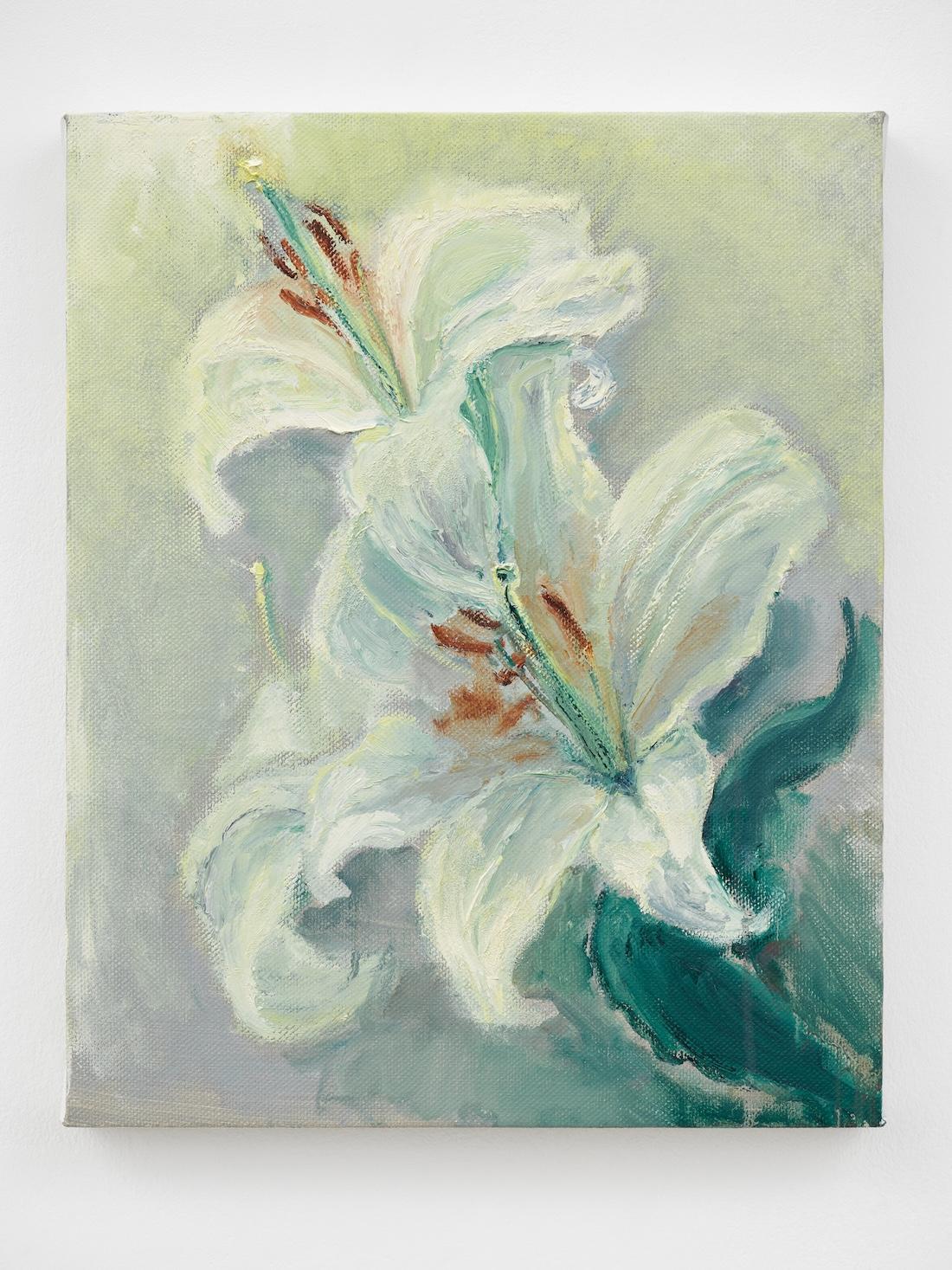
Celia Paul, Madonna Lilies, 2025, Oil on canvas, 20 x 16 inches (50.8 x 40.6 cm), Signed, dated and titled verso

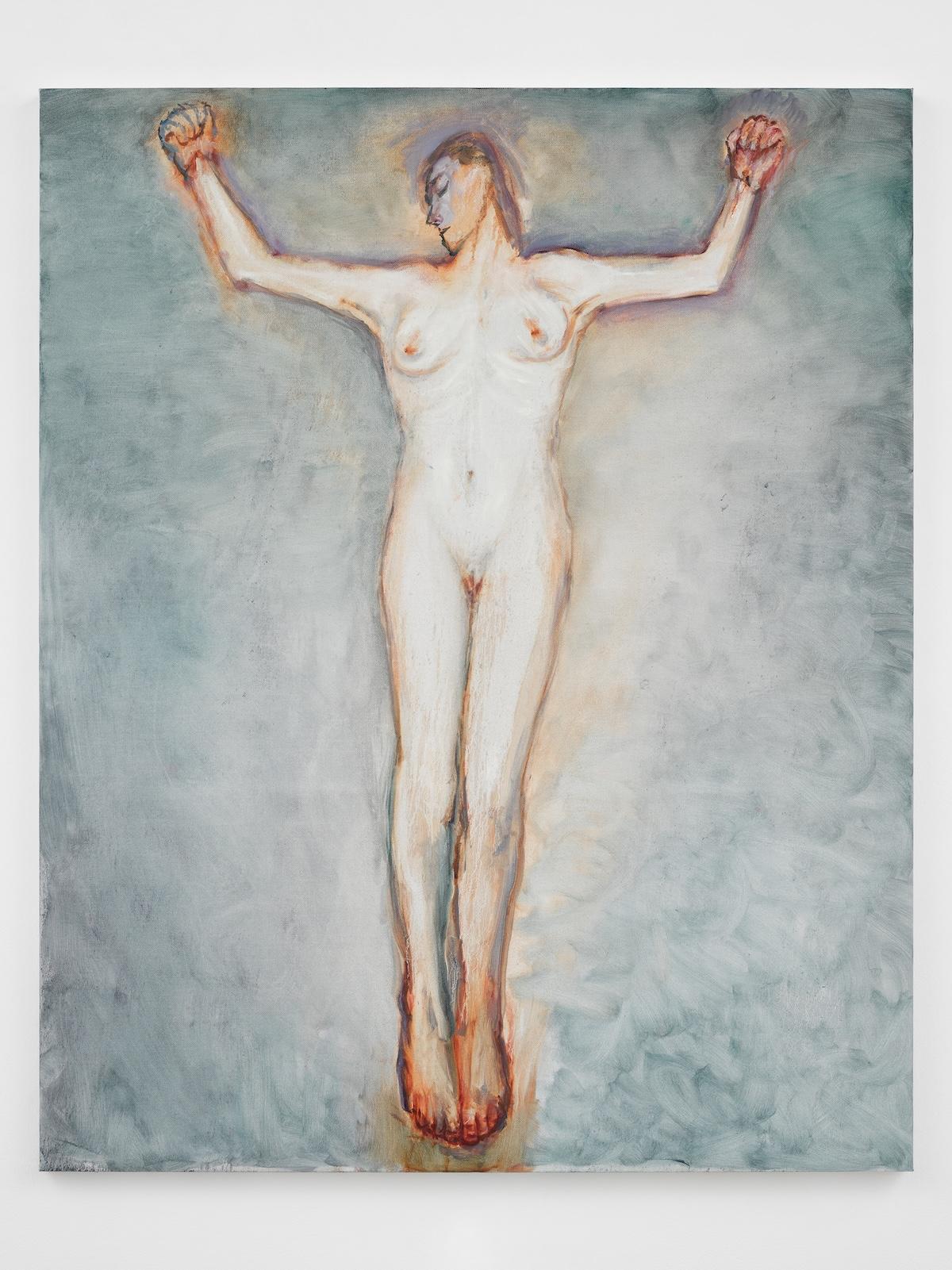
Contrast this with Madonna Lilies, also from 2025. Here, the predominant color is white, denoting purity, and the feeling is uplifting, as if waking up and opening to the world. In Cruciform Muse (2025) the figure—a self-portrait—is alone yet in open surrender, but also vulnerable in her outstretched nakedness. There are even nails in her wrists—the sacrifice the artist makes for her art. Paul commented on this: “The sacrifice that artists make to produce art is tremendously, physically demanding. It can make the body hurt if you've worked too long hours.”

Gladstone Gallery has recently begun to represent Paul, and Celia Paul: Innervisions is the artist’s first solo show in New York in over ten years. Paul said about the exhibit: “Gavin Brown did my exhibition installation, which I think is inspired. Each wall is like an act in a play—the paintings interacting emotionally with each other.” The paintings look strong and peaceful in the quiet, spacious gallery.

© Celia Paul. Courtesy the artist, Gladstone and Victoria Miro.

Celia Paul, Cruciform Muse, 2025, Oil on canvas, 72 x 57 7/8 inches (182.9 x 147 cm), Signed, dated and titled verso 

Celia Paul writes lucidly about her life in her first bookSelf-Portrait. Her second is about her favorite painter, Gwen John, titled Letters to Gwen John. Both books are fascinating and well-written, which is a real testament to Paul’s uncanny ability to say the ineffable in paint and with words. She paints and writes about loss, solitude, and about being an artist. 

© Celia Paul, Courtesy the artist, Gladstone and Victoria Miro.

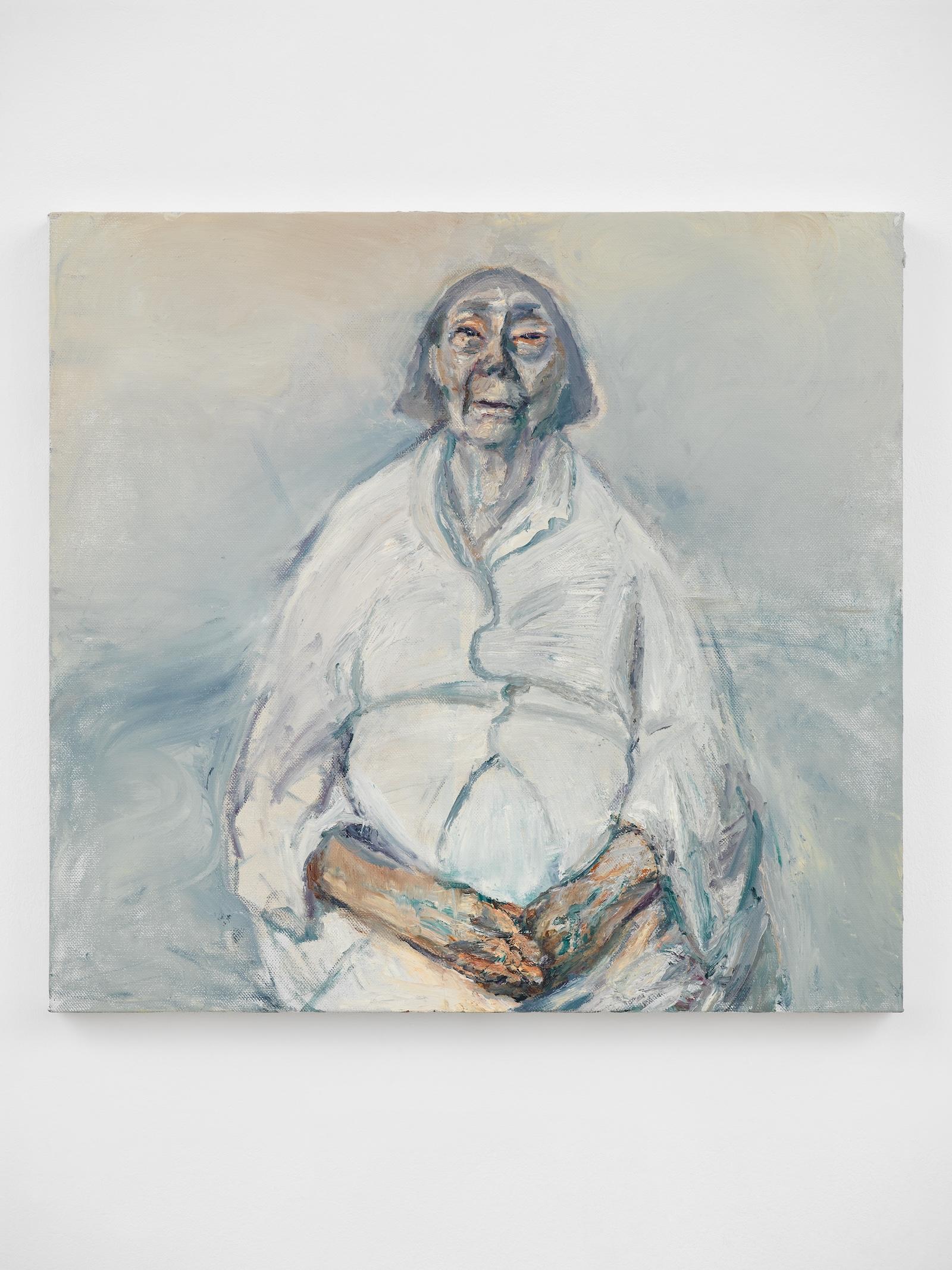
Celia Paul, My Mother, 2025, Oil on canvas, 30 x 32 inches (76.2 x 81.3 cm)

Born in India in 1959, Paul moved with her parents and four sisters to England, where her father was a Christian missionary. She attended the Slade School of Fine Art when she was 16 and there met Lucien Freud who became her lover for ten years and the father of her child, Frank. Today, she is very close to Frank and often paints his portrait with great tenderness and devotion. Frank on a Green/Grey Pillow (2025) is wide awake, as if swirling, staring into the distance. He too could be in a dream, but this one is lucid, filled with anticipation. 

My Mother (2024) is also filled with love, depicting a beautiful human being. Paul frequently painted her mother until her death a few years ago. The devotion that Paul gives to all her paintings is clearly visible, and viewers can feel the sacrifice.

40.748749563683, -74.00445575

Celia Paul: Innervisions
Start Date:
April 28, 2026
End Date:
June 13, 2026
Venue:
Gladstone Gallery
About the Author

Dian Parker

Dian Parker’s essays have been published in numerous literary journals and magazines. She ran White River Gallery in Vermont, curating twenty exhibits, and now writes about art and artists for various publications. She trained at the Royal Academy of Dramatic Art in London. To find out more, visit her website

Subscribe to our free e-letter!

Webform
Art and Object Marketplace - A Curated Art Marketplace
Loading categories...