As usual, a dynamic host of exhibitions spotlighting queer artists are available throughout the month and beyond. To help you cut through the noise, Art & Object has assembled this shortlist of Pride events for June, 2022.
Art Galleries & Museums
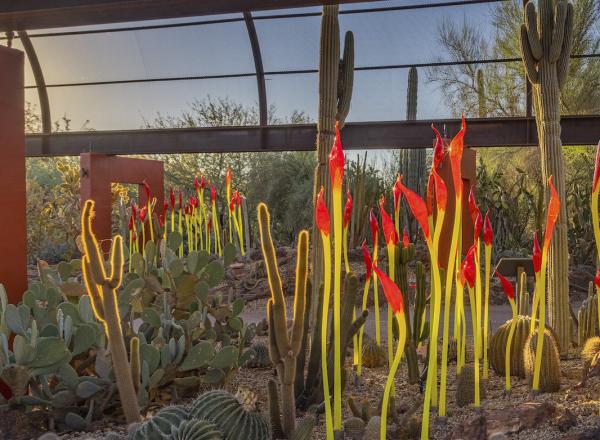
It’s safe to assume that Chihuly is one of the most recognized surnames in contemporary American art. The glass master is so popular that, in 1992, he was named the first National Living Treasure. Over the long arc of an illustrious career, in exhibitions across the nation and abroad, both indoors and out, Chihuly’s glass has delighted thousands upon thousands.
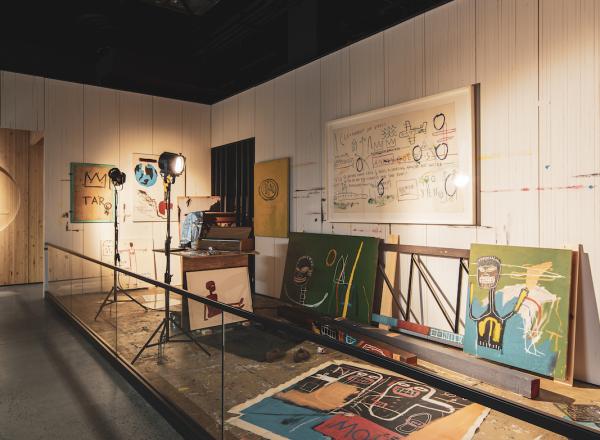
Live fast, die young, and leave a beautiful corpse: That’s often been the ticket to artistic immortality, even while coming at considerable cost. Such was the case for Jean-Michel Basquiat (1960–1988), who passed away from a drug overdose at twenty-seven.

An interior view of Matisse’s atelier in the Parisian suburb of Issy-les-Moulineaux, "The Red Studio" (1911) serves as the centerpiece for an impressive feat of scholarship that gathers photographs, documents, and ephemera related to the painting’s creation, along with a video on its conservation.
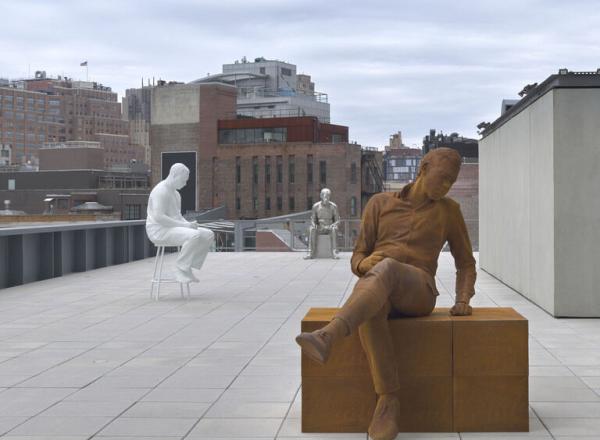
Silenced by the pandemic last year, The Whitney Biennial returns with an exhibition appropriately named Quiet as It’s Kept. The title seems intended to acknowledge an art world suffering from its own version of long Covid after the lockdown blew a gaping hole in the zeitgeist.
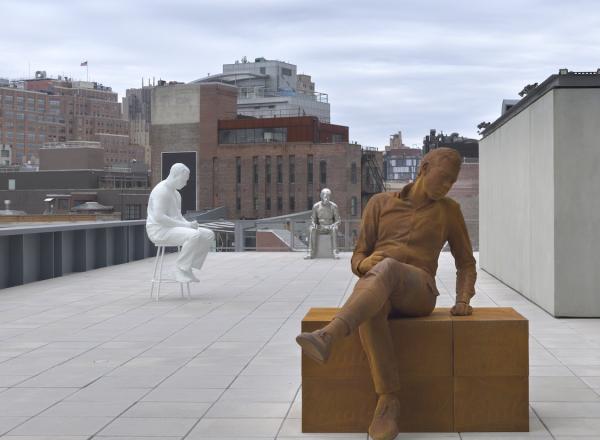
The much anticipated, yet long-delayed, Whitney Biennial 2022: Quiet as It’s Kept opened on April 6 and will continue through September 5. Over the years, the show has become one of those signature events that serve as a touchstone in American artists’ careers. Simultaneously, it has been at the center of many a controversy.
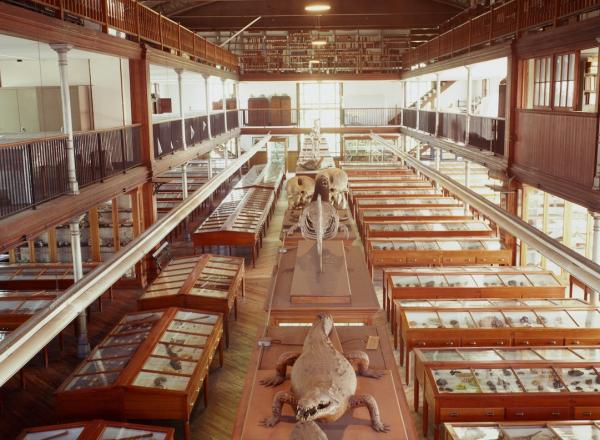
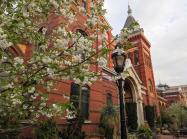
It’s not uncommon to hear the Wagner Free Institute of Science referred to as a “hidden gem of Philadelphia.” But what makes this nearly two-century-old museum so special is more than its discreet location, tucked amidst the rowhomes of North Central Philadelphia.

Exclusively curated by museum security guards, Guarding the Art features nearly thirty works of art handpicked from the Baltimore Museum of Art collection.

Andy Warhol grew up skinny and badly-complected, but more pertinently Catholic and gay (conditions noticeably conjoined in art history) at a time when being either wasn’t welcome in mainstream America.
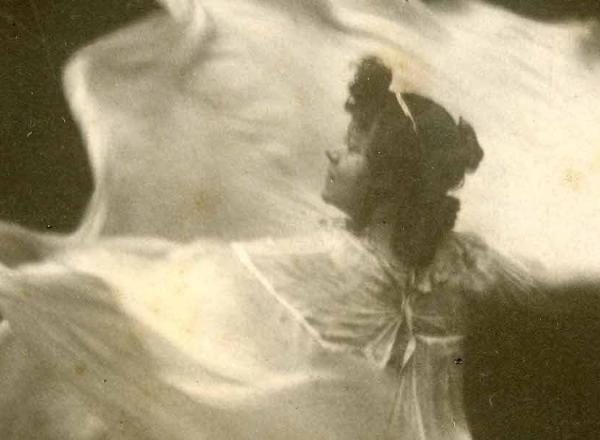
Illinois-born dancer Loïe Fuller (1862-1928) took Paris by storm in the late nineteenth and early twentieth centuries. She was famous throughout both North America and Europe for her groundbreaking multimedia Serpentine Dance, glimpses of which endure in photographs and the films she herself created.