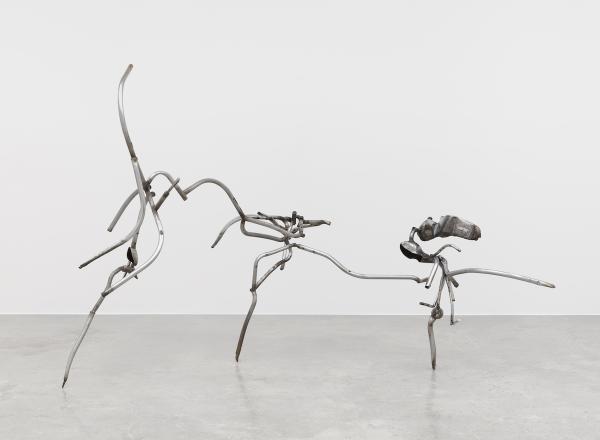
Richard Hunt: Early Masterworks at White Cube New York presents sculpture created between 1955 and 1969 that appear to float in space.
Art Galleries & Museums
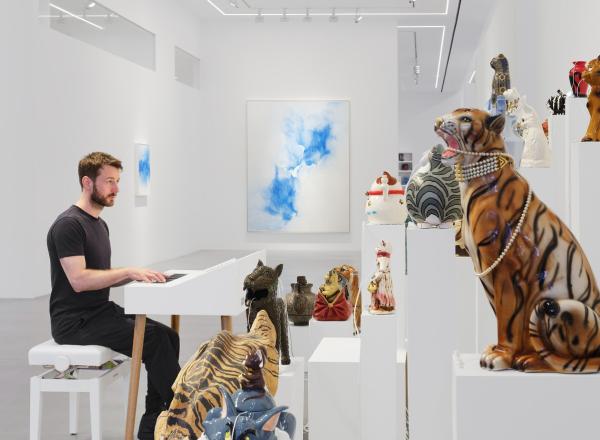
For Oliver Beer’s latest solo exhibition at Almine Rech, the artist creates a symphony of sounds from vessels shaped like cats.
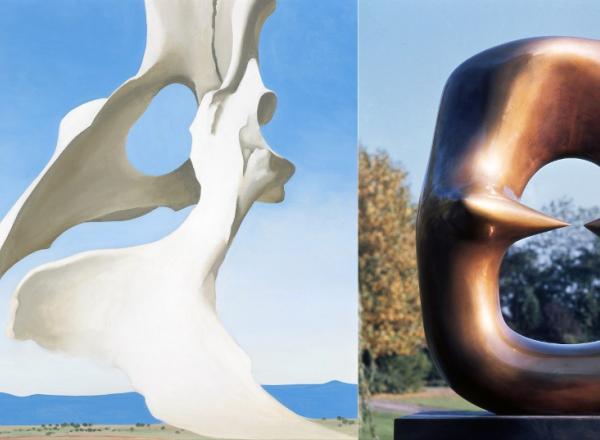
An exhibition at the Montreal Museum of Fine Arts explores the parallels between the work of Modernist giants Georgia O'Keeffe and Henry Moore.
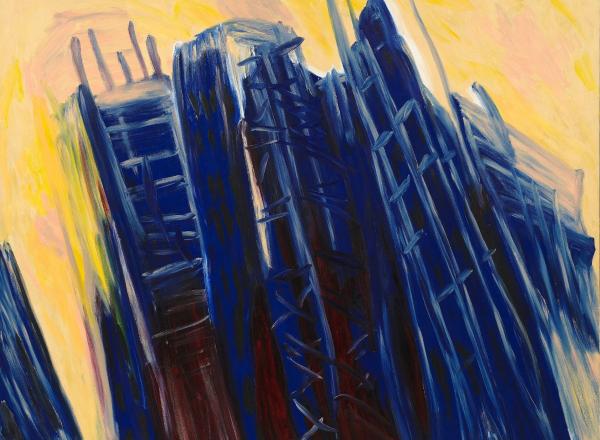
The first Los Angeles solo exhibition of the work of Martha Diamond, the emblematic painter of New York cityscapes, has opened at David Kordansky Gallery.

On the occasion of the release of Audrey Flack's riveting memoir, With Darkness Came Stars, and her solo exhibition at Hollis Taggart, Art & Object sat down with the artist for a conversation.
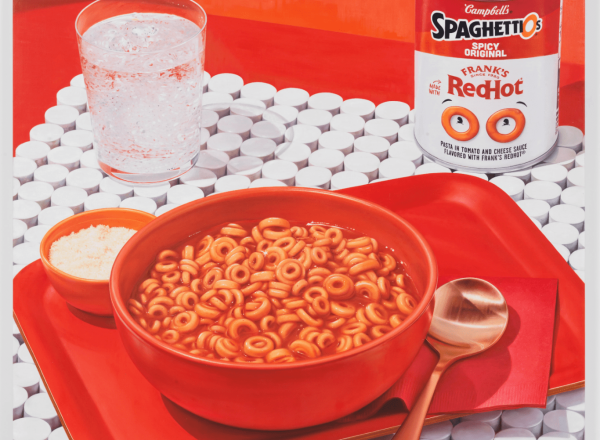
Jamian Juliano-Villani's exhibition, 'It,' at Gagosian doesn't give easy answers, but gets us thinking.
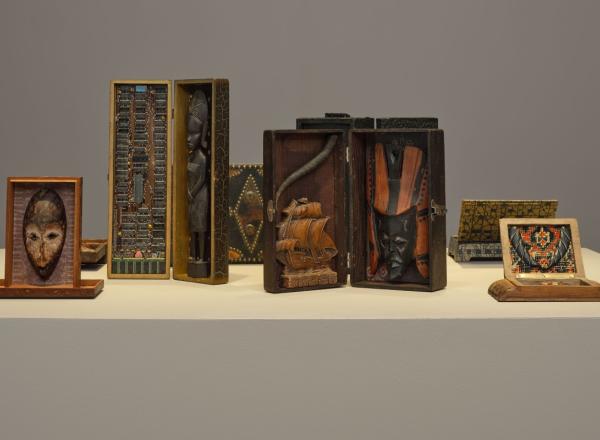
Through the years, Betye Saar has used Los Angeles as her mystic’s salvage yard. The assemblage artist has taken everyday objects— remnants of tin panels, wicker baskets, shards of pottery, empty frames, repurposed photography—and paired them with recognizable figures of visual culture to create new narratives.
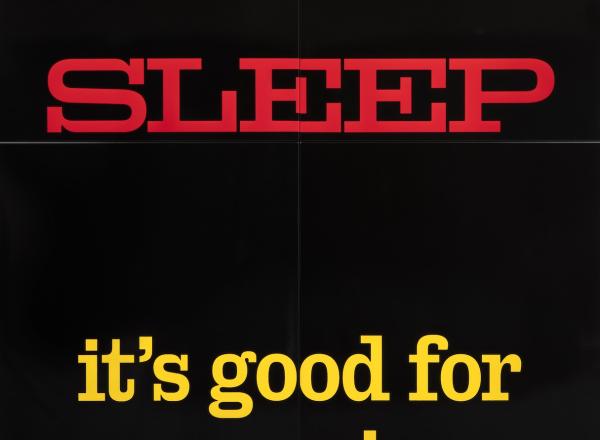
In the age of daily affirmations and online self-betterment, Nora Turato is breaking herself down. On view at Sprüth Magers in Los Angeles, it's not true!!!
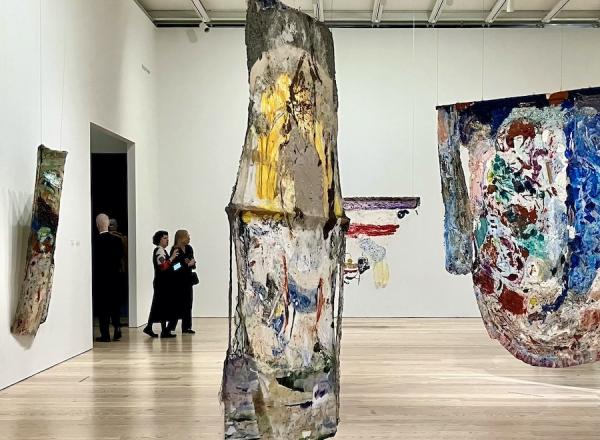
Every two years, the Whitney Museum asks the question, “What does America look like and feel like to artists right now?”
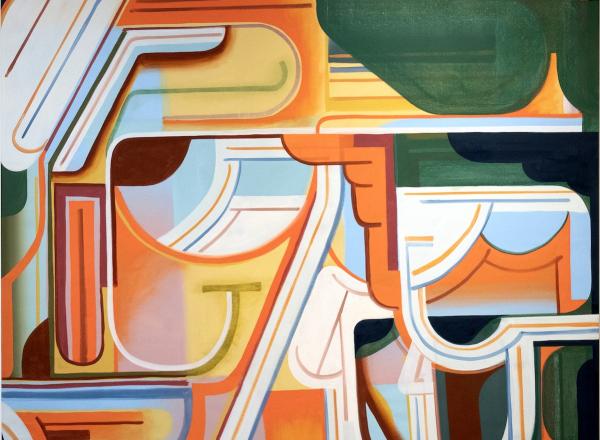
Tom Burckhardt's exhibition Ulterior Motif, at George Adams Gallery, explores the terrain between figuration and abstraction.