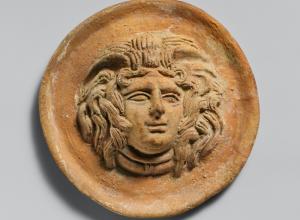

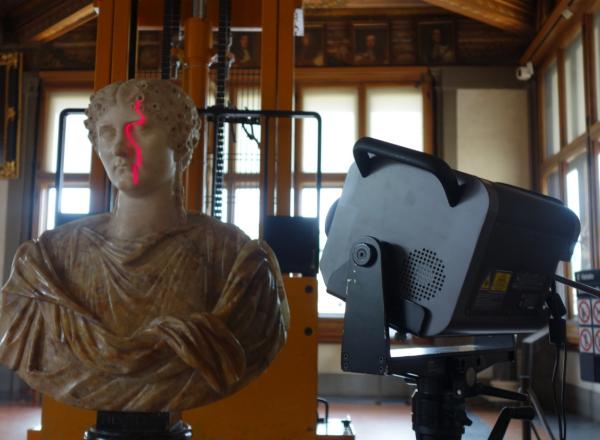
This week the Uffizi Gallery made a significant portion of its remarkable collection much more accessible. Through a partnership with Indiana University, scholars from both institutions have been working for two years to create 3D scans of the museum’s classical sculptures. Launching this week, the Uffizi Digitization Project website hosts over 300 digitized sculptures and fragments from the collection. The digital models offer views of the sculptures and fragments heretofore only available through in-person inspection.
Art News
Carlos Cruz-Diez: Luminous Reality, the first exhibition for PHILLIPS X, transforms our London galleries this summer with both stationary and kinetic works by the famed artist and innovator. Take a look behind the scenes at Cruz-Diez’s atelier in Paris, where we sat down to talk with him about his enduring legacy, social responsibility and his still-evolving artistic discourse.
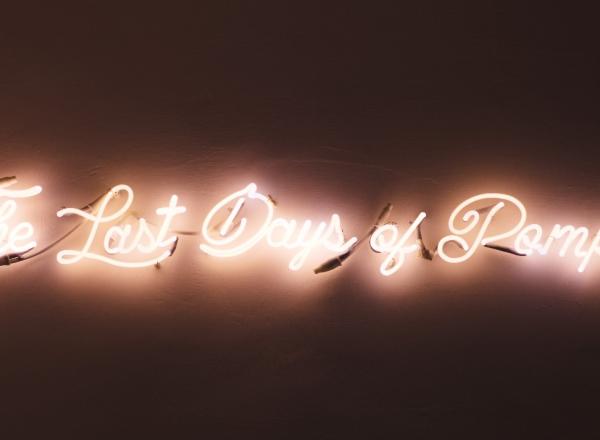
Now at the MIT List Visual Arts Center, The Last Days of Pompeii, an installation by multidisciplinary artist Delia Gonzalez, creates a multimedia environment, using intricate drawings, neon sculpture, architecture and music. Gonzalez's multi-layered work is informed by many sources, including history, surrealism, mythology, and mystical traditions. The Last Days of Pompeii uses the dramatic destruction of that ancient Roman city to allude to cycles of destruction and renewal, and current issues of ecological, economic, or political disaster.
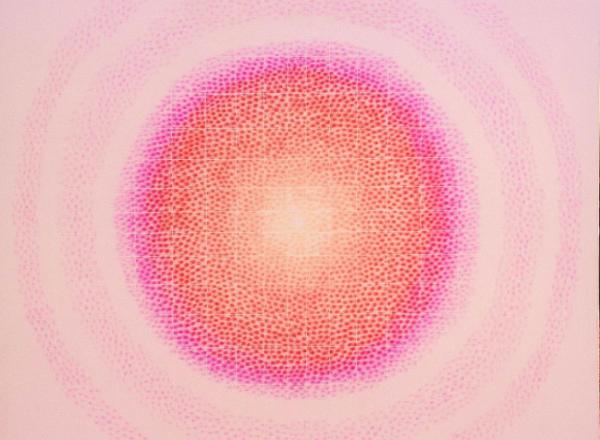
Aicon Gallery in New York is showcasing the work of New Delhi-based Shobha Broota. An educator and award-winning artist, Broota has had a 60-year career exhibiting internationally. Resonance is her first solo show in New York. The exhibition includes work from the past decade, representing two types of abstractions the artist has explored.
The tagline is: what if—what if Indians invented photography? Would there be a different set of protocols or ideas or notions of exchange in relation to this kind of image-making process?
– Will Wilson
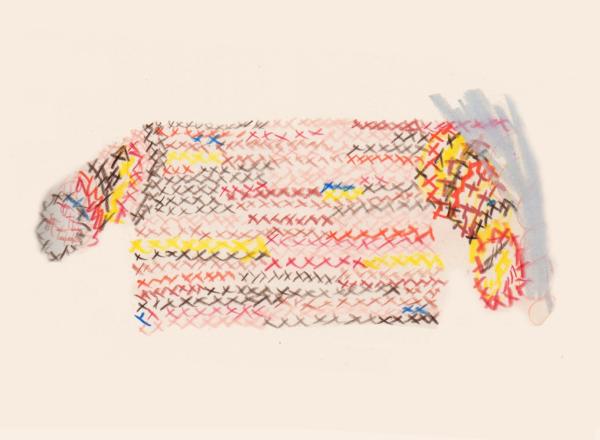
This summer, the Whitney Museum of American Art will present the first museum solo exhibition of Eckhaus Latta, the New York—and Los Angeles—based fashion label, founded in 2011 by Mike Eckhaus and Zoe Latta. Eckhaus Latta: Possessed highlights the work of this compelling young design team who belong to a new generation of designers operating at the intersection of fashion and contemporary art. The exhibition, part of the Museum‘s emerging artist series, will be on view in the first—floor John R. Eckel, Jr. Foundation Gallery from August 3 through October 8, 2018.
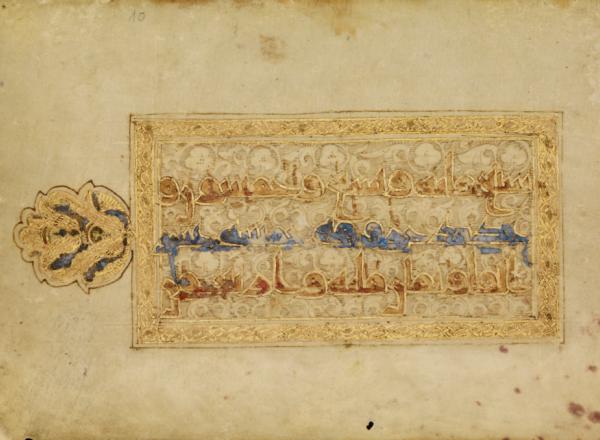
LOS ANGELES – The J. Paul Getty Museum recently announced the acquisition of the Rothschild Pentateuch, a manuscript of the first five books of the Hebrew Bible, known as the Torah. Its acquisition, coupled with works already in the Museum’s manuscripts collection, allows the Getty to represent the medieval art of illumination in sacred texts from the three Abrahamic religions—Judaism, Christianity, and Islam.
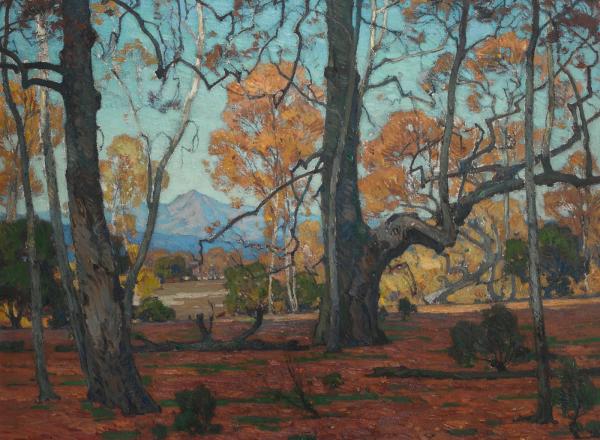
Patriarchs of the Grove by William Wendt (1865-1946), leads Bonhams' California and Western Painting Auction, August 7th, in Los Angeles. Estimated at $250,000-350,000, Patriarchs of the Grove is one of Wendt’s most coveted canvases.
Mark your calendar for spectacular exhibitions perfect for summer holidays, chosen by Tim Marlow, artistic director the London’s Royal Academy of Arts. This month, discover California’s outsize influence on the pioneering America artist Robert Rauschenberg, see the third edition of New Mexico’s famed SITElines biennial, and behold the glittering works of legendary Iranian artist Monrir Shahroudy.
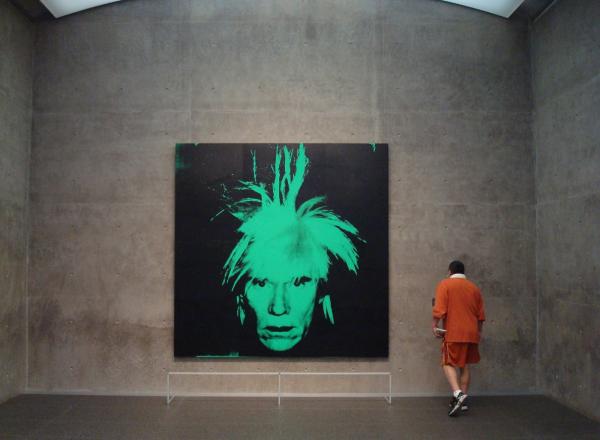
Andy Warhol would have been 90 years old on August, 6. Museums and art lovers the world over are celebrating. The pioneer of Pop Art died in 1987 at the age of 58, but 30 years later, his fifteen minutes of fame aren’t up and his art is still ubiquitous.