


At Large  January 28, 2026  Annah Otis

The Return of the Modernists

WikiCommons

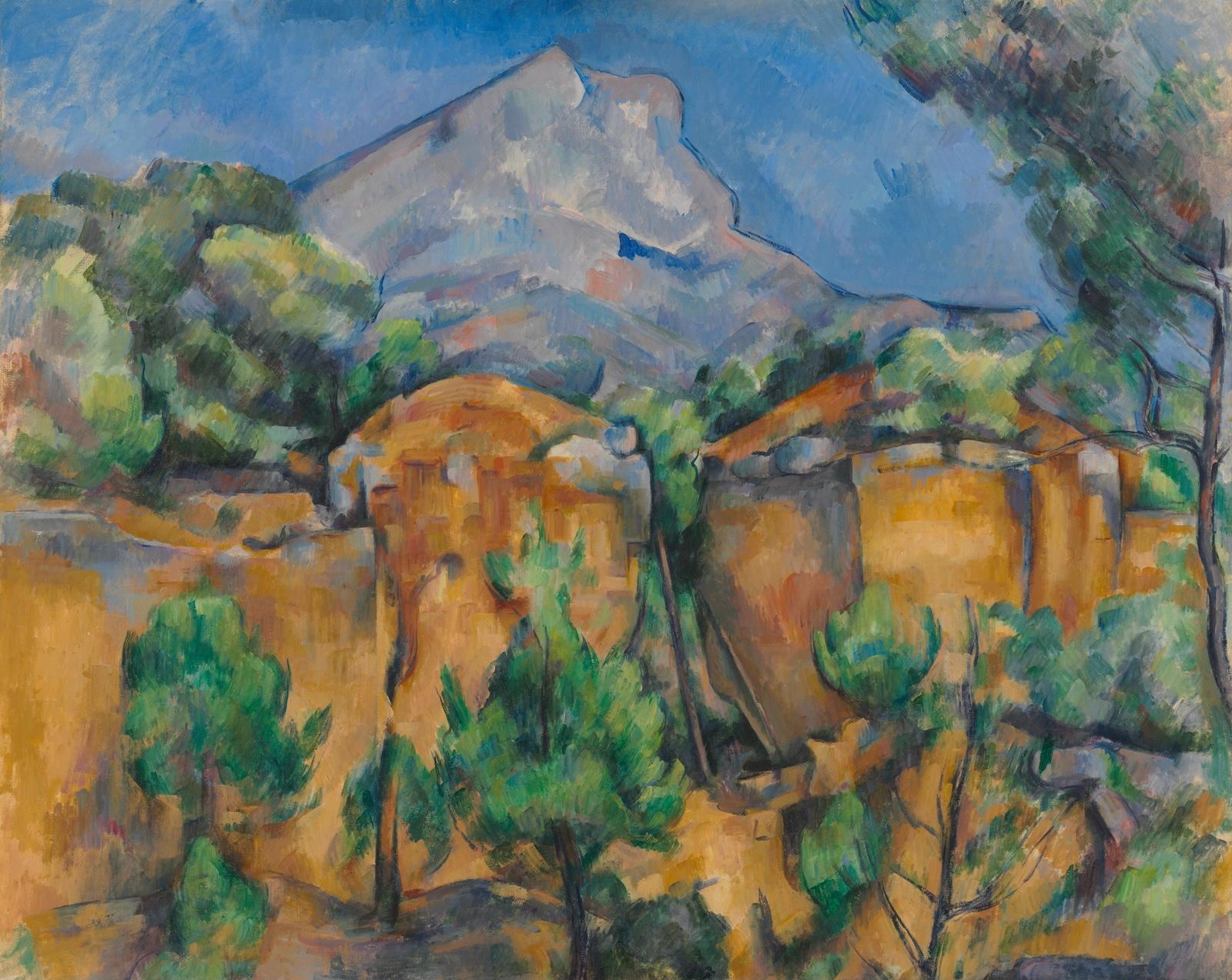
Paul Cézanne, Mountains Mont Sainte-Victoire Seen from the Bibémus Quarry, c. 1897. License.

From New York and Detroit to London and Basel, leading museums are staging major exhibitions devoted to canonical modernist masters at a moment when our world is as uncertain and tension-wrought as their early 20th century was. Marcel Duchamp, Paul Cézanne, Henri Matisse, Wassily Kandinsky, Pablo Picasso, Georgia O’Keeffe, and Andy Warhol will all be featured in the coming year around the world. There is little doubt that modernism is back in fashion.

The Museum of Modern Art’s Duchamp retrospective, opening in April, will feature 300 artworks spanning the artist’s career from 1900 to 1968. It will be the first comprehensive survey in the United States since 1973. The Grand Palais is mounting an equally ambitious Matisse exhibit with more than 230 pieces from the artist’s final years. Both shows claim prime exhibition space and significant institutional resources as museums bet on the enduring appeal of modernism.

WikiCommons

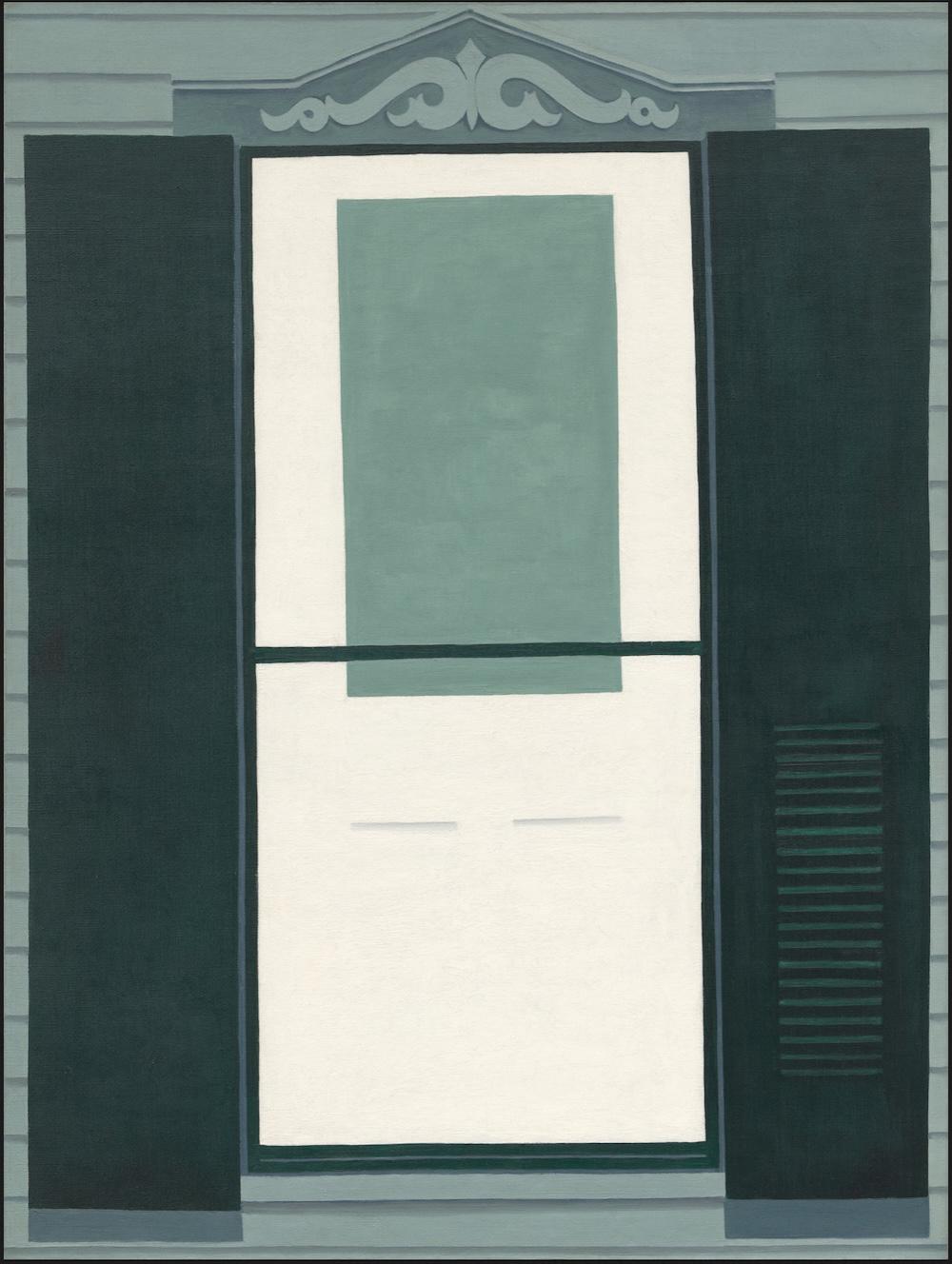
Georgia O’Keeffe, Farmhouse Window and Door, 1929. License.

This embrace of artists whose work has been extensively studied, exhibited, and collected for decades represents a desire for stability in a volatile cultural and economic climate. Mounting a major Cézanne or Duchamp show guarantees attendance, critical attention, and lucrative loan agreements. Name recognition translates directly to ticket sales and membership renewals. Fondation Beyeler’s focus on Cézanne's later work and the Detroit Institute of Art’s upcoming presentation of O’Keeffe’s architectural paintings each provide visitors with an accessible entry point into art.

The trend reflects institutional identities as museums continue to position themselves as stewards of the traditional art historical canon. Offering encounters with foundational artists allows museums to showcase the depth of their permanent collections while strengthening relationships with lenders for select works—all of which reinforces their authority.

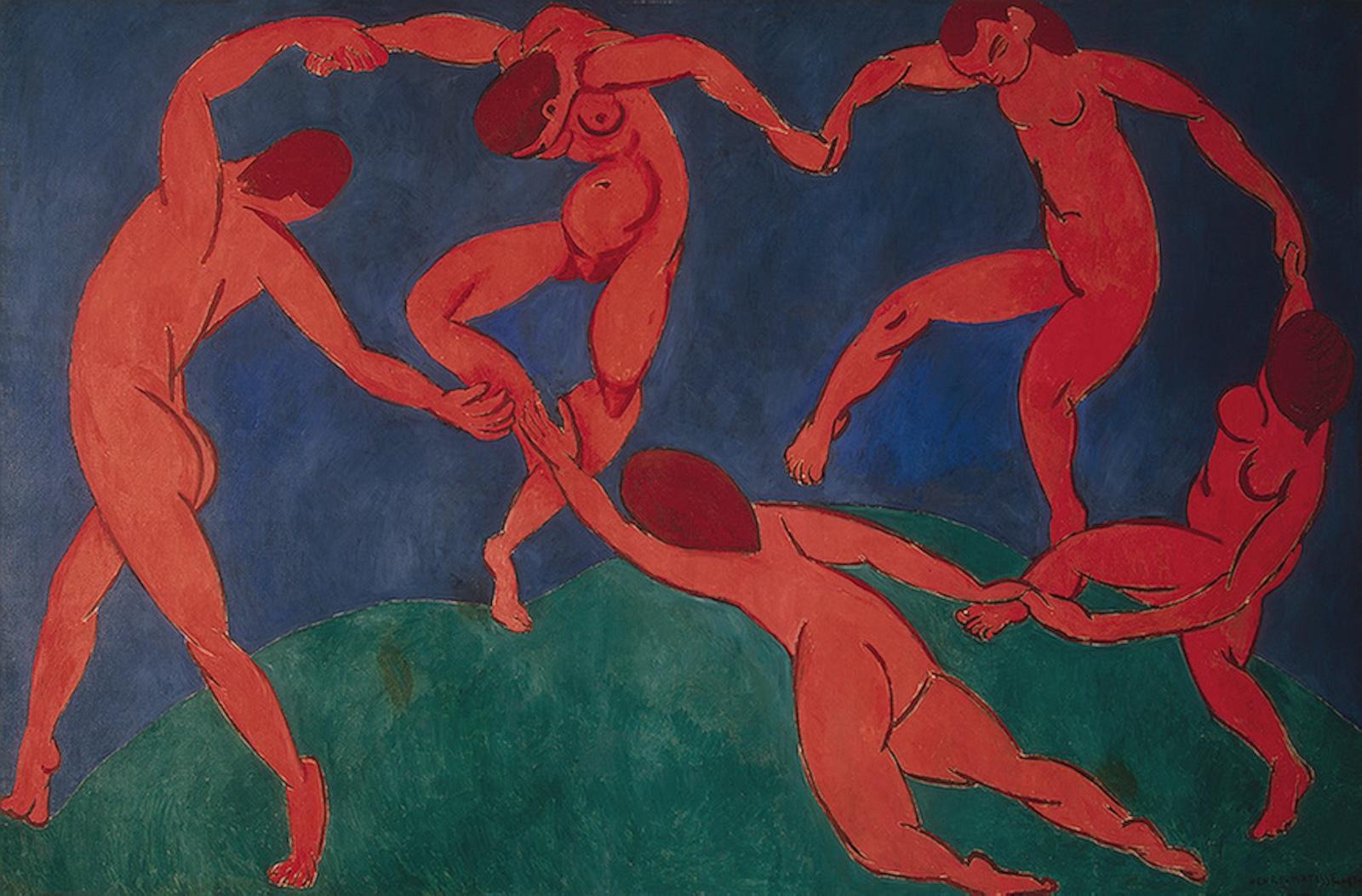
However, there are also notable attempts to refresh familiar material by highlighting previously overlooked aspects of careers. Picasso’s interest in the theatrical, Kandinsky’s “melomania,” and Matisse's multidisciplinary practice all come to the fore in their respective exhibitions. The safety of a well-known name combined with a new curatorial angle attracts both traditional art lovers and younger audiences seeking contemporary relevance.
WikiCommons

Henri Matisse, Dance (II), 1910. License

What gets lost in the process is an opportunity to showcase lesser-known creatives or emerging contemporary artists who would benefit much more from the airtime than household name modernists. Choosing to dedicate the biggest budgets and exhibition spaces to canonical artists reinforces existing hierarchies instead of expanding them. The concentration of resources on those who already enjoy extensive representation in museum collections and scholarly literature leaves less room for the recovery or reevaluation of marginalized artists.

As museums navigate the tension between educating new generations on important artists and challenging the existing canon, the modernist masters remain a reliable draw: idolized and endlessly marketable.

About the Author

Subscribe to our free e-letter!

Webform
Art and Object Marketplace - A Curated Art Marketplace