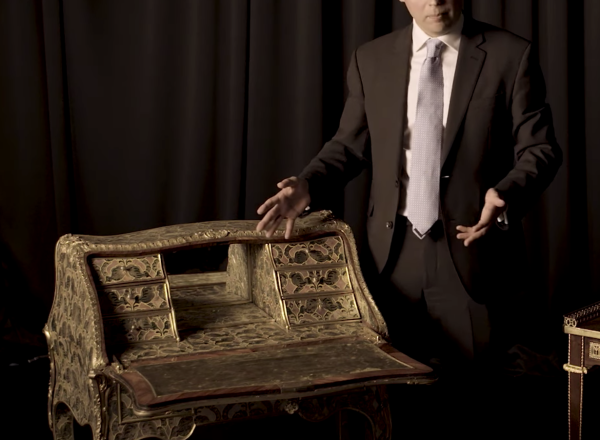
Head of European Furniture Paul Gallois on two wildly different yet equally beautiful 18th-century desks — one made in France, the other in Germany — and the tantalising possibility that their royal owners may have written to each other from them.
Latest Art News
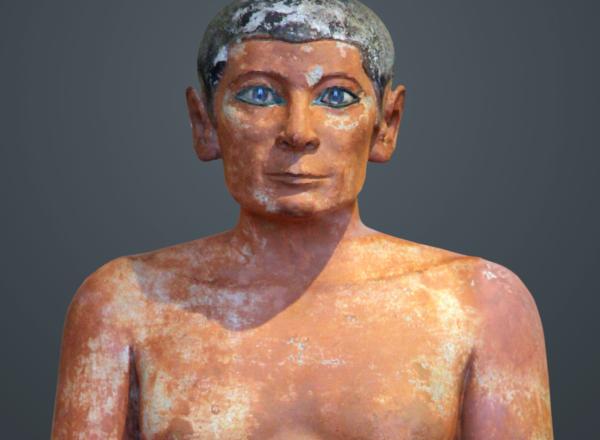
Nat and Corrie discuss the Ancient Egyptian sculpture the Seated Scribe.
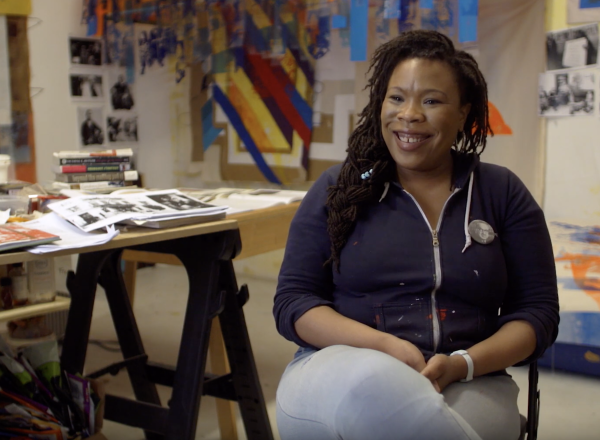
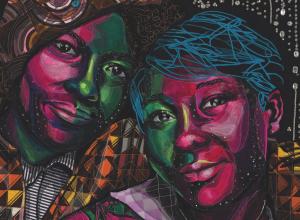
Her densely layered abstractions feature found materials—paper bags, food wrappers, vinyl insulation strips, and storefront awnings—from a wide range of sources, incorporating art-historical, legal, and social histories.
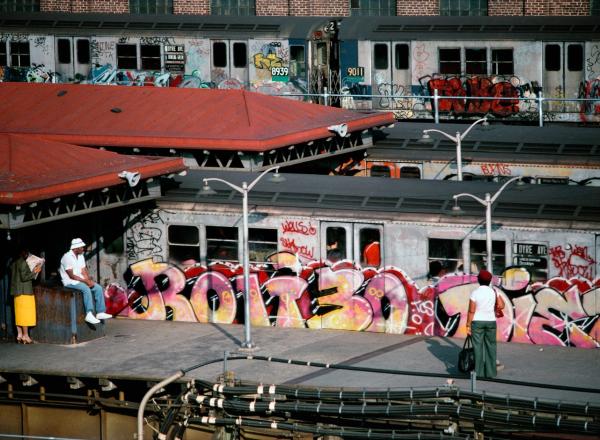
Photographer Martha Cooper was taking snapshots in the Bronx for the New York Post one day in the early 1980s, when she got an offer she couldn’t refuse. “I can introduce you to a king,” one of the boys she had been photographing proposed. Cooper immediately said yes.

Hot on the heels of last month’s record-setting auction of Claude Monet’s 1891 Meules, Sotheby’s is hoping for another big sale with his 1908 Nymphéas. Estimated to sell for $31.9-44.6 million, the canvas likely won't touch the $110.7 million record for Monet that Meules set. But water lilies, along with haystacks, are some of Monet’s most famous subjects, and with the market primed for Monet works, the sale could exceed its high estimate.

A stunning Impressionist work from Pissarro’s series of Paris paintings will be auctioned by Sotheby’s on June 19 at the auction house’s Impressionist & Modern Art Evening sale.
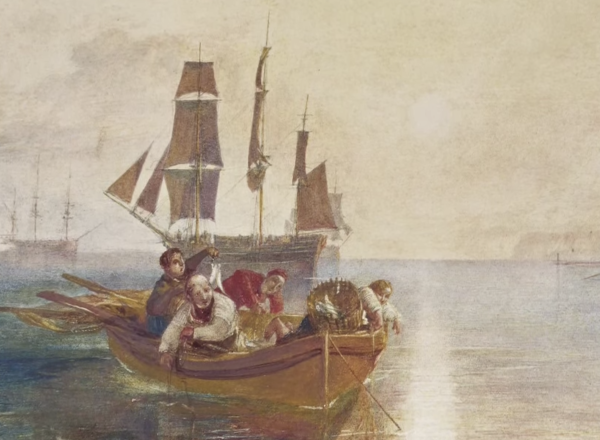
Painted in 1822, Sun-rise. Whiting Fishing at Margate is one of the greatest and most beautiful watercolours by J.M.W. Turner. In this episode of Anatomy of an Artwork, discover how the magical light of Turner’s sunrise gives warmth to everything it touches as the silence of night gives way to the sounds and activities of the day.
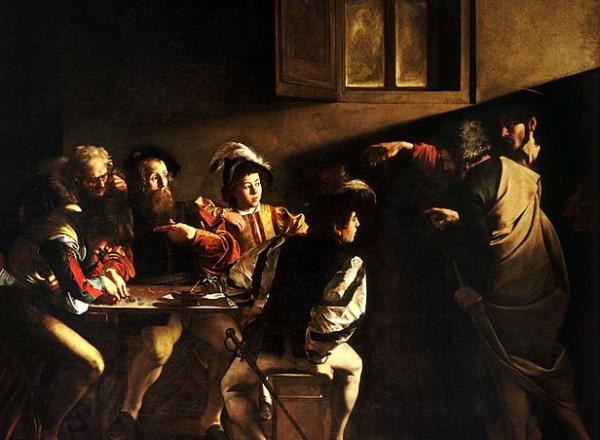
Corrie & Nat discuss the timeless drama of "The Calling of Saint Matthew" by one of the baddest boys of the Baroque, Michelangelo Merisi da Caravaggio.
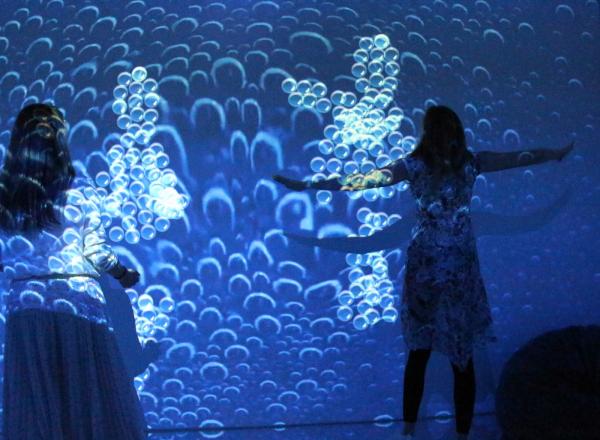
In between Memorial Day and July 4 is a family cookout of another kind at Flutter, the recently opened artist space in Los Angeles through November.
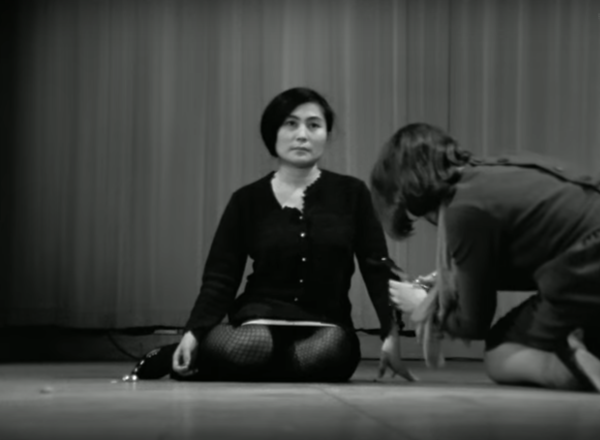
Performance art relates to artworks that are created through actions performed by the artist or other participants, which may be live or recorded, spontaneous or scripted.