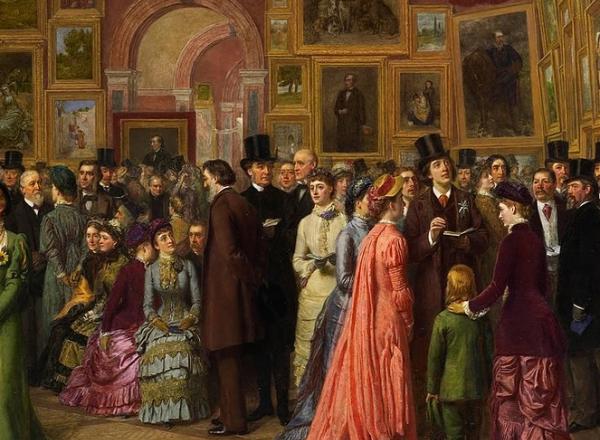
In satirist James Gillray’s 1801 illustration A Cognocenti Contemplating ye Beauties of ye Antique, the expert’s body is a stand-in for his skill. His stooped shoulders, shock of white hair, and gnarled fingers clutching a walking stick all signify not just age but wisdom. His ill-fitting waist coat, rumpled breeches, and a thatch of thick nose hair suggest a man too busy at his task to worry over his appearance, although his stark black top hat indicates his societal position and fit within this collection of antiquities.
Art News
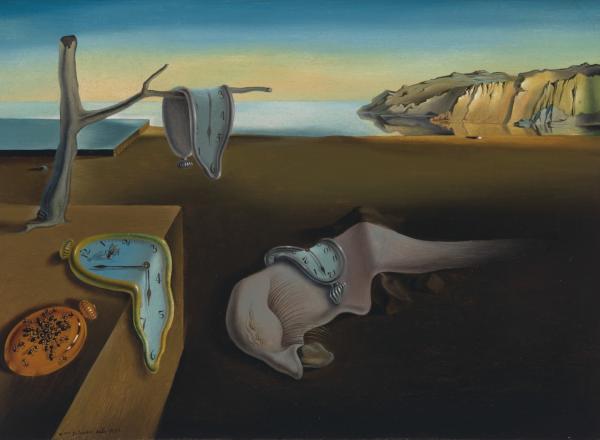
As temperatures rise to summer highs, one artwork seems to encapsulate our collective torpor better than most: Salvador DalÍ’s The Persistence of Memory. The iconic 1931 work depicts a series of clock faces that appear to be melting in a seaside landscape hauntingly barren except for a leaf-less tree, a couple of simple architectural structures, and a distorted, globular form resembling the face of a sleeping human with incredibly long eyelashes.
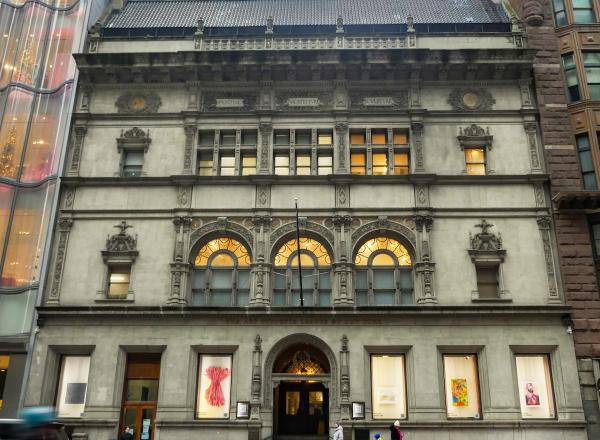
Founded by a group of free-thinking artists in 1875, the Art Students League of New York has always been marked by innovation. Dissatisfied with the teaching style at the National Academy of Design, these artists started their own school, committed to making fine-art education accessible to all. Utilizing a unique atelier-style system, the League offers classes for adults and children, covering a diverse array of artistic practices, methodologies, and media.
Villa Pilar, which was painted in 1940 by Leonora Carrington during her confinement at the Sanatorio Morales—a clinic located just outside Santander, Spain—remained in her psychiatrist’s family for more than 80 years after it was given to him as a gift.
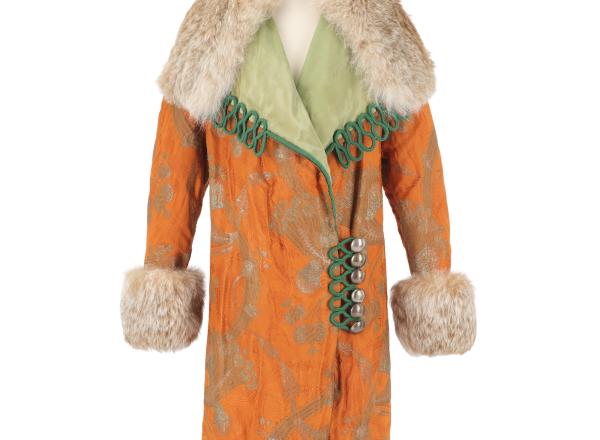
Long before Dior became a worldwide fashion house, branching from haute couture into perfume and later into shoes and accessories, there was French designer Paul Poiret (1879-1944).
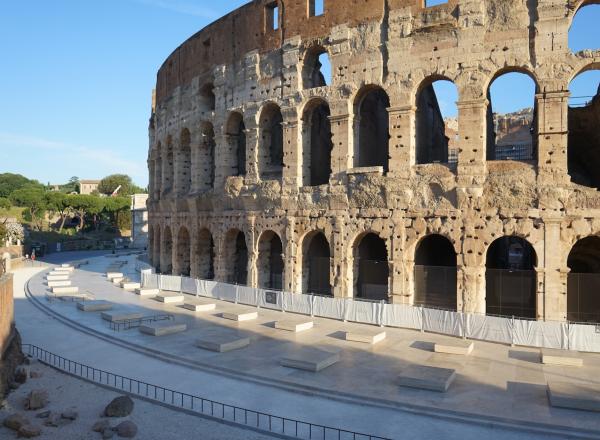
The south side of the Colosseum, Rome’s most famous ancient monument, has been revamped as a new public space. Opened in March, the piazza is the culmination of a four-year project, which began with the excavation of the area in 2022.

One of the joys of spending time in a record store is not knowing what to choose. For those who go in “just to have a browse,” the risk is to spend hours flipping through countless records. Yet, the quest might end when your eyes get caught by an image, a design, or a color on one of the covers. The art created for record covers is revelatory: it presents the artist, their music, and the ideas behind that particular album.
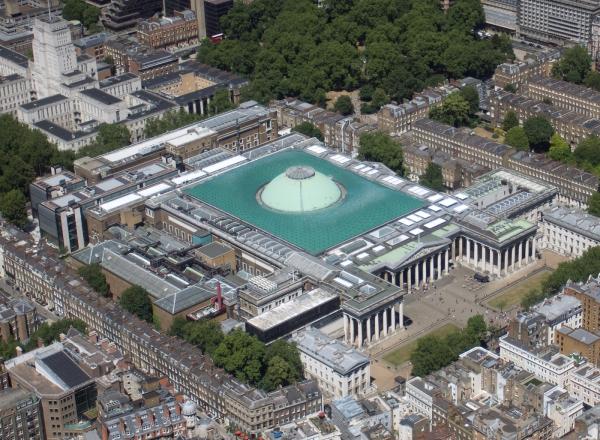
By the time the British Museum’s doors opened to ticket holders for a lecture on Ancient Israel and Judah on June 11, the event had already been postponed once and embroiled in a fierce debate over institutional barriers to free speech.

Categorized as an Old Master within the canon of art history, Sir Peter Paul Rubens' work is characterized by a high concentration of color, movement, and form. Surpassing visual dynamism, many of his masterpieces aptly convey key socio-religious conflicts of the period.
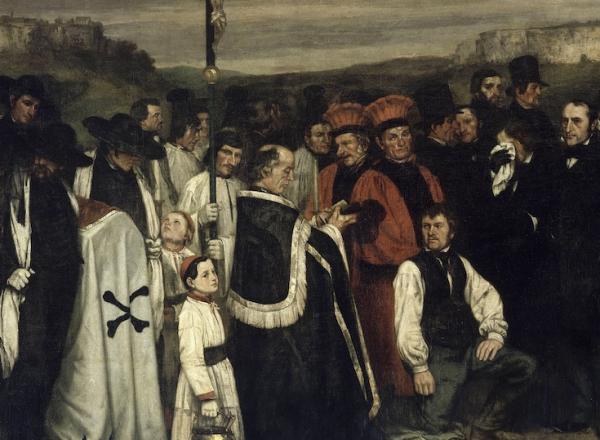
The backroom work of conservation is increasingly becoming a form of public engagement and education at museums that have turned the restoration of their greatest works into forms of theater. Conservators lean in with swabs of cotton and tiny brushes to restore paintings inch by inch, while museumgoers peer through plexiglass as if at the zoo.