
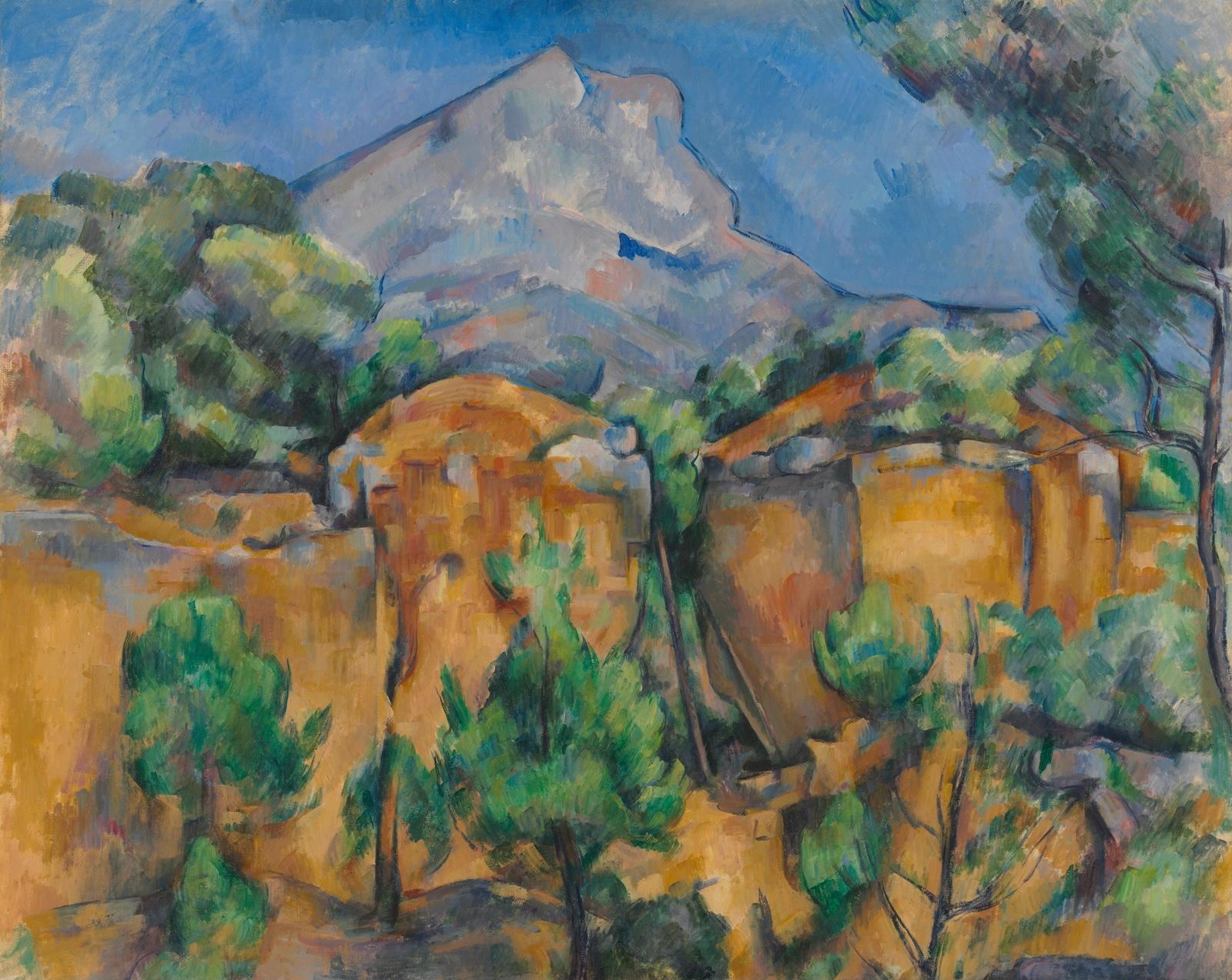

This embrace of artists whose work has been extensively studied, exhibited, and collected for decades represents a desire for stability in a volatile cultural and economic climate. Mounting a major Cézanne or Duchamp show guarantees attendance, critical attention, and lucrative loan agreements. Name recognition translates directly to ticket sales and membership renewals. Fondation Beyeler’s focus on Cézanne's later work and the Detroit Institute of Art’s upcoming presentation of O’Keeffe’s architectural paintings each provide visitors with an accessible entry point into art.
The trend reflects institutional identities as museums continue to position themselves as stewards of the traditional art historical canon. Offering encounters with foundational artists allows museums to showcase the depth of their permanent collections while strengthening relationships with lenders for select works—all of which reinforces their authority.
However, there are also notable attempts to refresh familiar material by highlighting previously overlooked aspects of careers. Picasso’s interest in the theatrical, Kandinsky’s “melomania,” and Matisse's multidisciplinary practice all come to the fore in their respective exhibitions. The safety of a well-known name combined with a new curatorial angle attracts both traditional art lovers and younger audiences seeking contemporary relevance.