
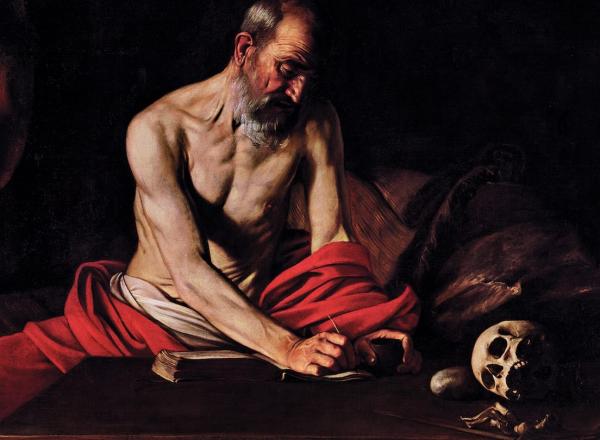
The PBS documentary series Secrets of the Dead is set to release an episode entitled The Caravaggio Heist on November 24. While proves to be an unusual installment for a series that typically investigates historical mysteries—the episode delivers a fascinating story of a 1984 art theft and a priest who risked his life to recover a painting.
Interviews & Essays
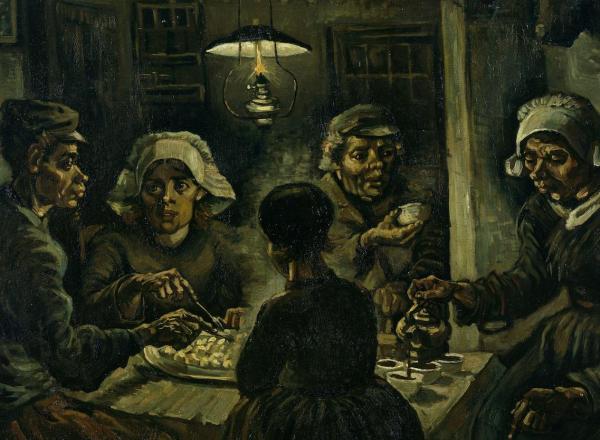
Easily the most famous depiction of famine in art history is Vincent van Gogh’s 1885 oil painting, The Potato Eaters. At the time of its creation, the phrase "potato eater" was considered pejorative in both Dutch and German.
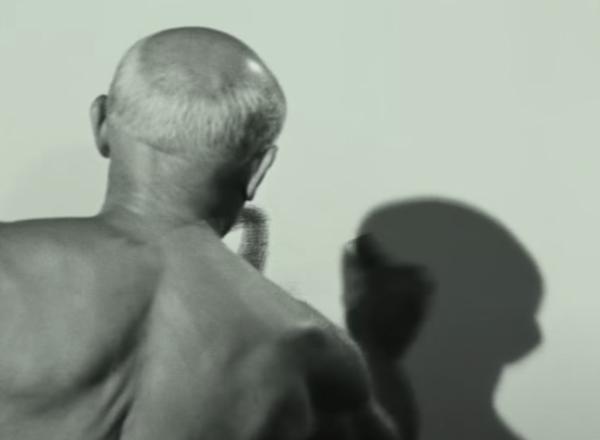
Midway through October, tech experts Anthony Bourached and George Cann were prepared to unveil their AI-generated recreation of a lost Picasso at London’s Deeep AI Art Fair, when they received a letter from the U.K. side of Picasso’s estate demanding they cease and threatening legal action.
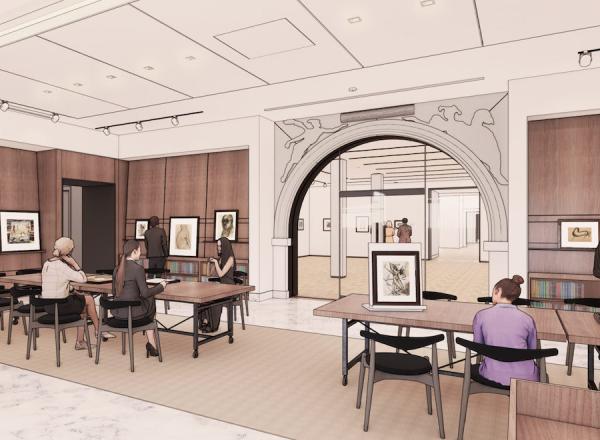
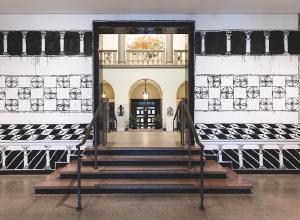
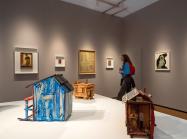
On December 12, the Baltimore Museum of Art will invite the public in to two new study centers—The Ruth R. Marder Center for Matisse Studies and The Nancy Dorman and Stanley Mazaroff Center for the Study of Prints, Drawings and Photographs. Both have been designed to increase access to and engagement with two very special collections held by the museum.
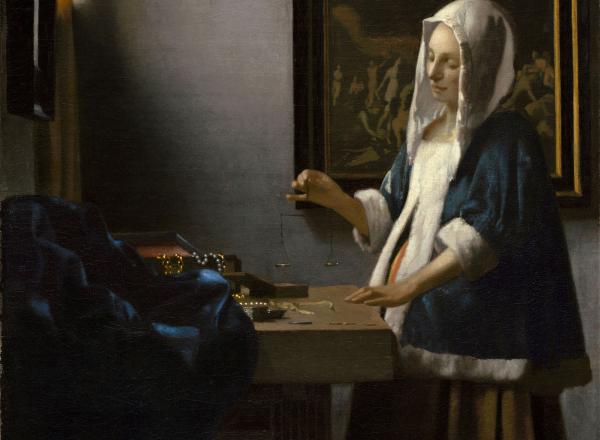
Johannes Vermeer, born in October 1632, grew up and spent most of his life in the Netherlandish city of Delft. Though his name faded after his death in 1675, his work was ‘rediscovered’ in the nineteenth century and has remained popular ever since. His uncanny ability to capture light—from the glow of sunshine behind a curtain to the sharp glimmer of precious stones—remains particularly striking nearly 500 years after the artist’s life. So too has the artist's masterful use of composition, contrast, and allegory continued to inspire.
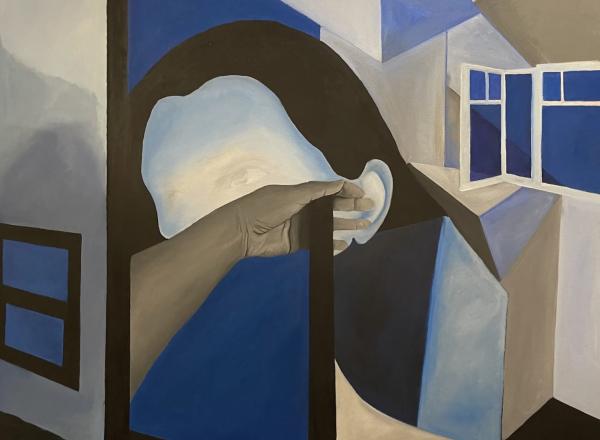
Each month, Art & Object is highlighting Sekka's five best new art stories. Here are the best art stories from Sekka Magazine, October 2021.
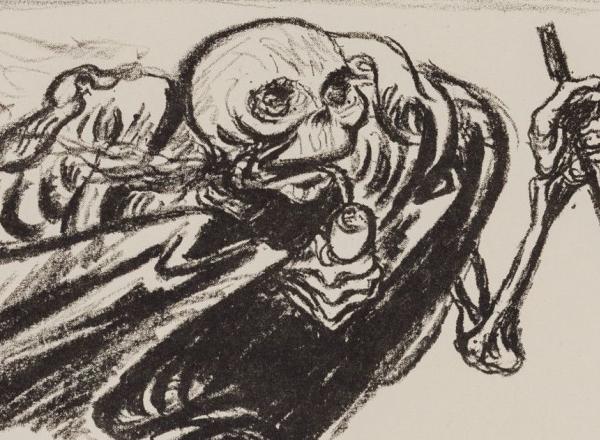
It is an understandable human instinct to treat any crisis as if it were the first of its kind. A century ago, those fears revolved around a widening gap between rich and poor, a global pandemic, and a growing loss of community. Sound familiar?
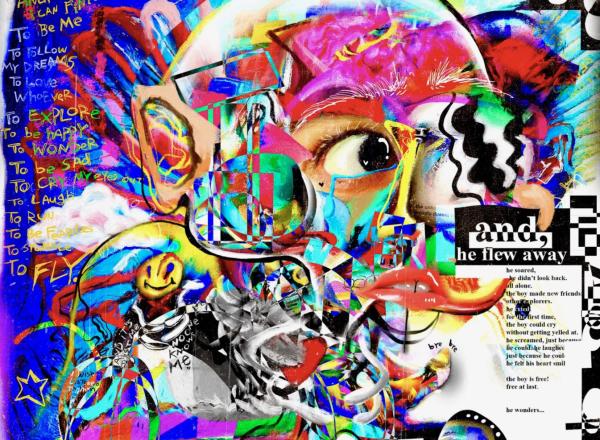
Teens, who grew up on social media and meme culture, have taken to the online art world organically, where NFTs are like physical collector’s items only digital: instead of an oil painting to hang on the wall (or a Pokémon card to hold in their hand) the buyer gets a digital file and one of a kind identifying code that is recorded on a blockchain. Only one person has exclusive ownership and therefore digital bragging rights.

Many of the most prolific and thoughtful digital artists have backgrounds in industries outside of the fine art world such as animation or advertisement. And, perhaps unsurprisingly, they tend to be much more visible on social media than a great deal of fine artists. Perhaps unsurprisingly, they tend to be much more visible on social media than a great deal of fine artists. Here are seven digital artists you should be following on Instagram.
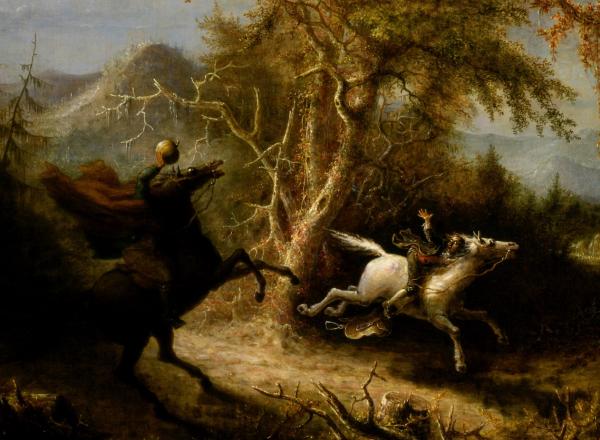
Upon its creation, Quidor’s painting was widely panned by art critics for being too dark and focusing more on the woodland nature than on the chase. In many ways, this was a clever choice by Quidor, whose perspective reveals the two men for what they are: immature characters fighting over a young woman who is attracted to neither of them.