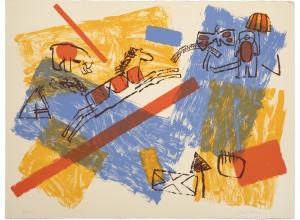

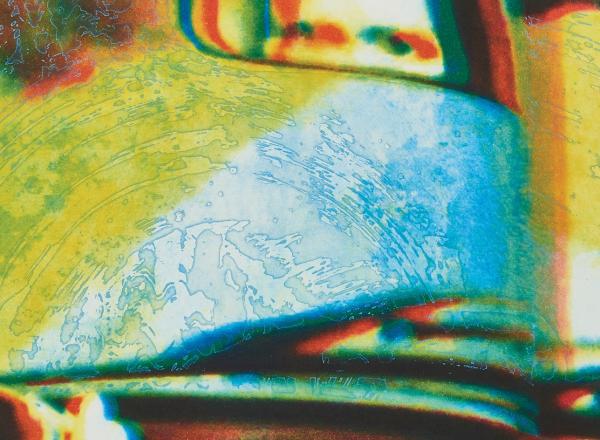
Printmaking is an artform so ubiquitous we often take it for granted. From the screen-printed shirts we wear every day to the leaflets and posters we see on the street, the omnipresence of images in our world owes a huge debt to printmaking.
Interviews & Essays
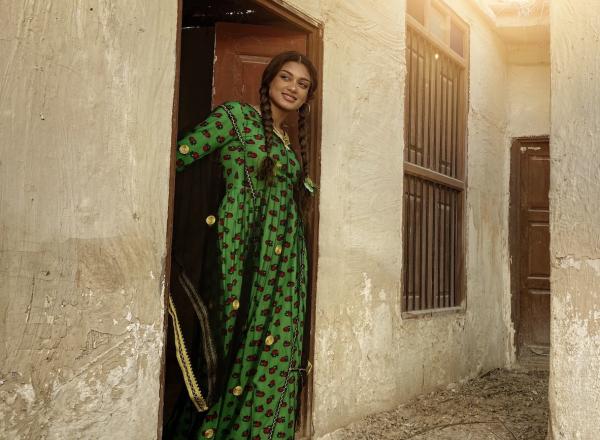
The latest issue of Sekka Magazine is dedicated to womanhood. Here are five stories from Sekka that explores Arab womanhood in the arts.

Whether you’re looking for an artist community, some true-crime-esque art world thrills, or simply wish to boost your art knowledge—historic or contemporary—we have ten art podcasts recommendations for you.
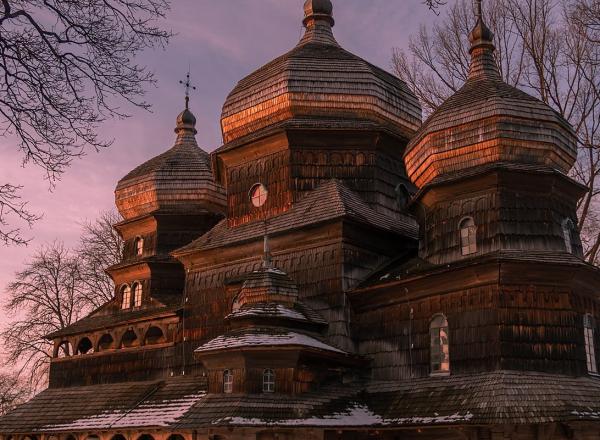
Lately, the word's anxious focus on Ukraine has, understandably, reached new heights. The country is home to more than 44 million people and UNESCO World Heritage sites that include a string of scientific monuments, and five stunning feats of architecture.
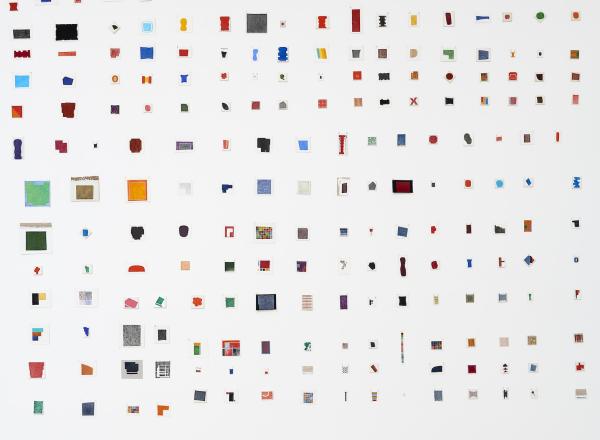
His gathering of marks “is about making a language,” he says. “I couldn’t do enough to get clarity, so I made groupings.” He divided them into categories—“Families,” “Beginnings,” and “Universes.” “It’s a matter of time—an ongoing project.”
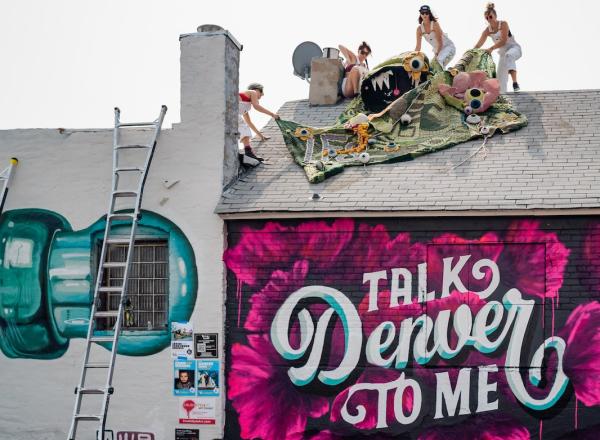
RiNo Art District envelops three Denver neighborhoods and features more than 200 murals. The outdoor gallery transformed neighborhoods once known for their mucky riverbeds and some of the world’s worst air pollution into a destination that draws visitors.
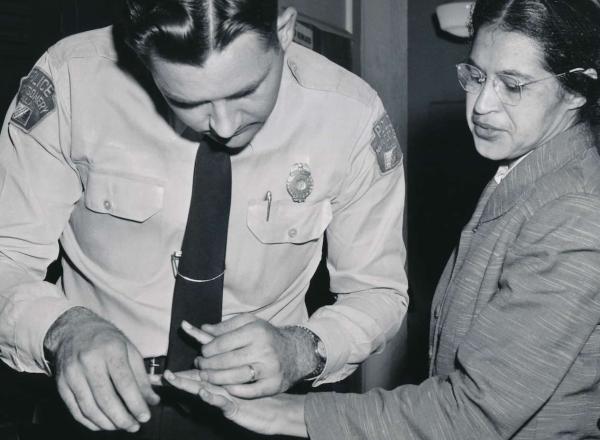
Early this February, Houston Metro announced the installation of commemorative seat covers to honor Rosa Parks on her birthday. Unfortunately, though perhaps unsurprisingly, the covers struck a nerve—particularly in the Twitter-sphere.
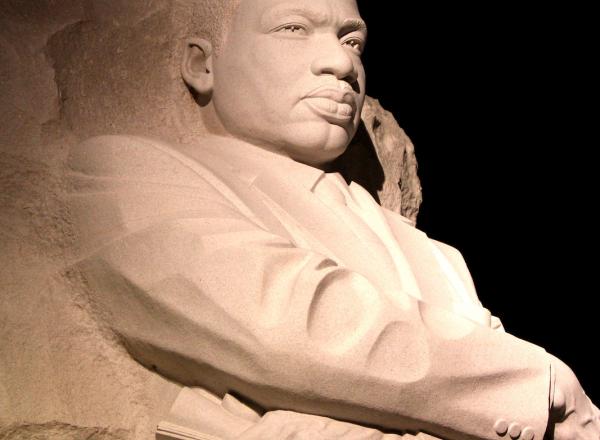
Dr. Martin Luther King Jr. has had quite a lasting international impact. This sentiment holds within every event, tribute, or art piece created in his honor. Over the decades, artists have shared their admiration for MLK through various mediums.
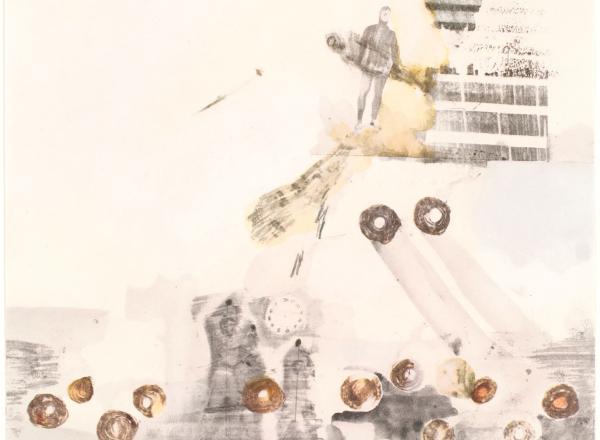
In 1958, Robert Rauschenberg began a difficult series of illustrations of Dante Alighieri’s fourteenth-century poem Inferno. The thirty-four mixed-media images foreground the process of their construction as much as their literary subjects.
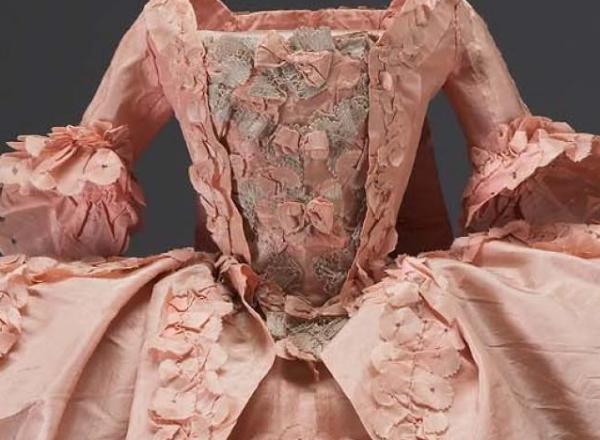
Few colors are as politically charged as pink. Though today it is considered feminine throughout much of the world, up until around the mid-twentieth century, Westerners viewed the color as either genderless or masculine.