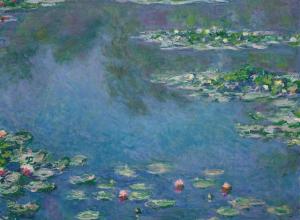

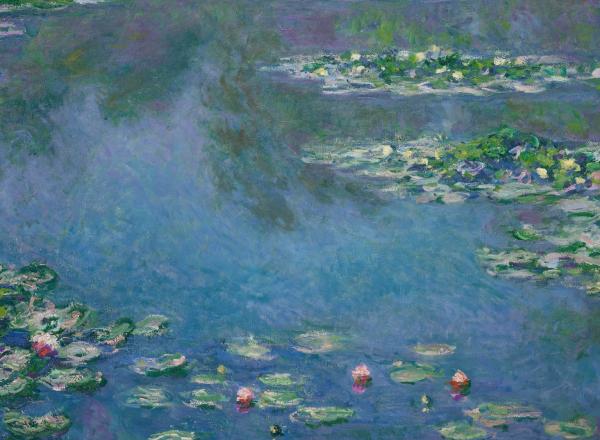
Between 1897 and 1926, Claude Monet painted approximately 250 waterscapes of his favorite subject towards the end of his life: Water lilies. The latter half of these paintings in particular are lauded as stunning feats in compositional experimentation and innovation.
Art News
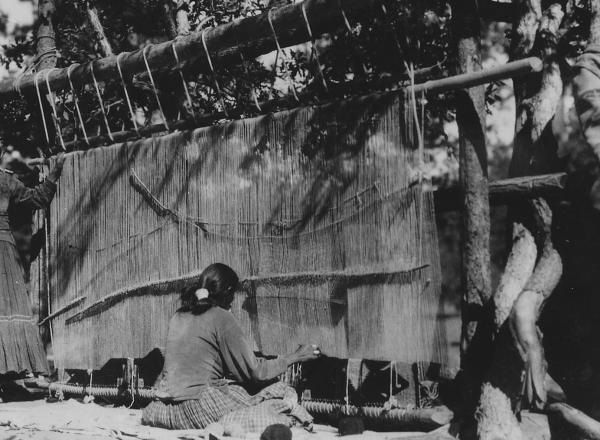
From coconut palm leaves folded into ceremonial forms in Bali to brown ash splints woven into baskets in Maine and wool blankets woven across the Navajo Nation, a younger generation of artists is returning to textile techniques their ancestors perfected centuries ago. Museums, galleries, and design houses are all taking notice.
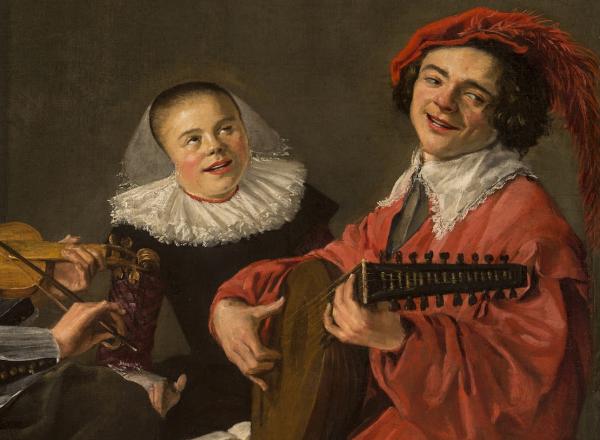
In the late 17th century, the wife of the Holy Roman Emperor Leopold I purchased, in the words of Dutch Golden Age painter and biographer Arnoldus Houbraken, “a sublime work consisting of flowers, arms, eagles, crowns, decorated in foliage, of woven silk in a rustic manner, for which more than four thousand guilders were given.” That was more than double the sum of money that
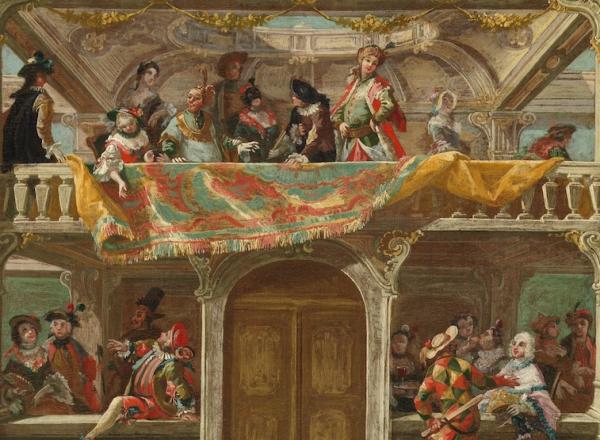
Originally, the mask was adorned by members of all socioeconomic classes to conceal identity. This was necessary since most legal and moral boundaries were blurred during this period, and so were the Venetian Republic’s rules regarding upper and lower social classes intermingling. Originating in the fourteenth century, the Venetian mask was originally intended to serve as a method of inclusiveness.

From Naoshima to Chicago, Art & Object brings you eleven popular and thought-provoking public artworks around the world.
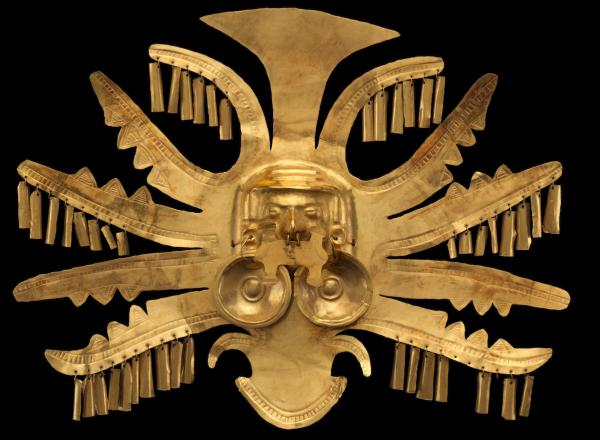
As we're now deep into the warm summer months, we're feeling the importance of the sun. Here's a brief look at the sun as a symbol throughout art history.
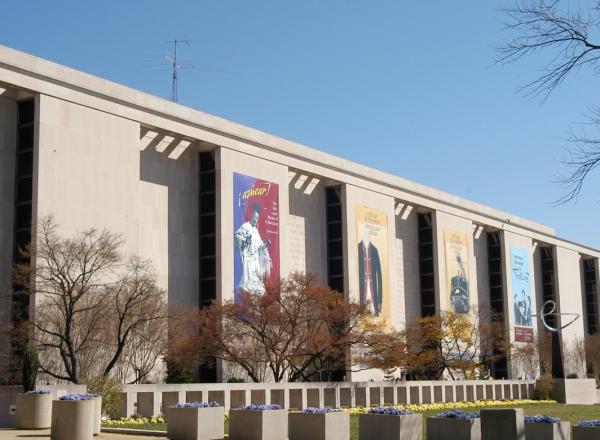
The Smithsonian Institution, long regarded as a trusted keeper of the nation’s shared history, has spent the summer fighting to defend its independence.
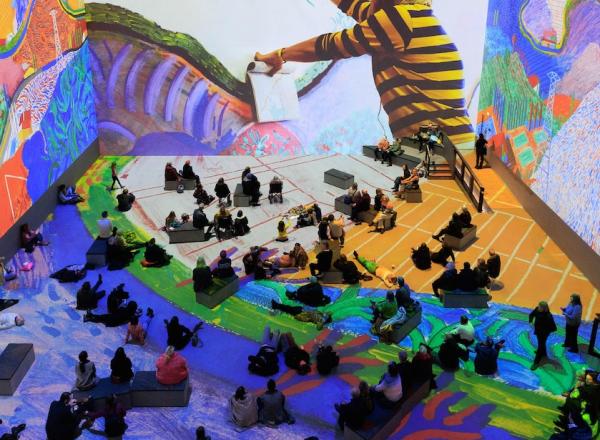
Few artists have embraced advancements in reproduction and new digital technologies with the gusto of British-born, universally loved artist David Hockney (1937-2026).
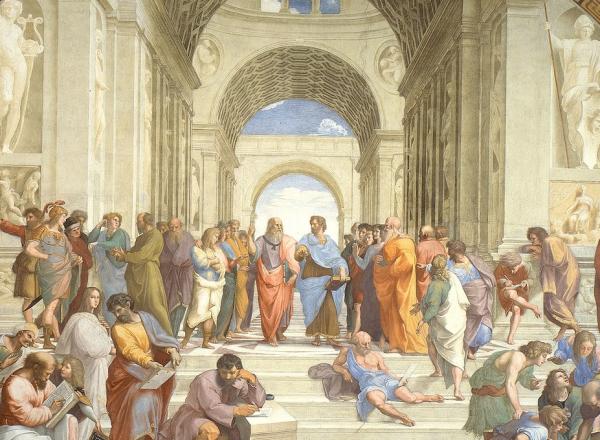
Though he died quite young, Raphael's career included a rivalry with Michelangelo, educational encounters with Leonardo da Vinci, and a lengthy stint at the Vatican.
A new influx of nine-figure gifts is reshaping American arts institutions as the second Gilded Age emerges and newly minted billionaires begin hefty rounds of giving.