Museum  January 6, 2026  Aimee NG

Historic Spaces, New Perspectives at The Frick Collection

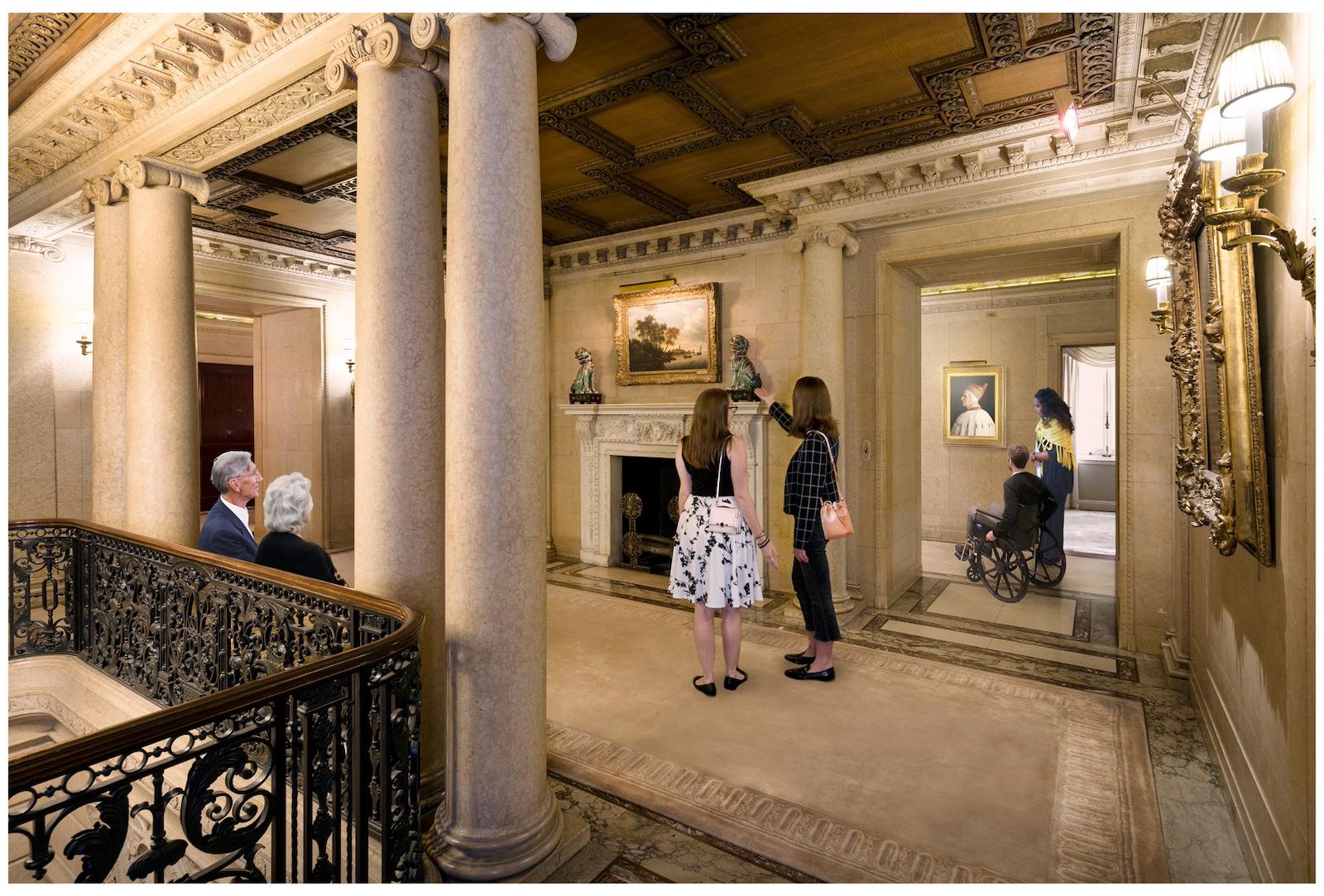
Rendering Courtesy of Selldorf Architects

The Frick Collection's second-floor landing, which leads to a series of new galleries for the display of small-scale objects from the permanent collection.

Upon reopening this April, The Frick Collection in New York will welcome visitors to climb its grand staircase—or ride one of its newly-installed elevators—to the second floor for the first time in the museum’s history. These rooms, once the private living quarters of Henry Clay Frick (1849–1919), his wife, Adelaide (1859–1931), and their daughter Helen (1888–1984), have been transformed during a major renovation and enhancement project led by Selldorf Architects.

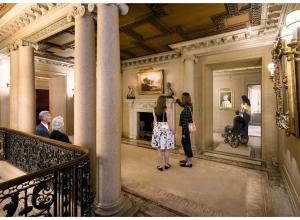
Complementing the grand galleries of the first floor, which include the Oval Room, East and West Galleries, Fragonard Room, Dining Room, and Living Hall, the second-floor galleries will provide new opportunities for visitors to engage with the Frick’s holdings and historic spaces. The domestic scale of these second-floor spaces—some 10 rooms and several passages—offers an intimate atmosphere in which to engage with the collection. Careful restoration and preservation of architectural and decorative features—including ceiling murals, marble fireplaces, and elaborate carved woodwork—bring the former residence’s rooms back to life, with arrangements of paintings, sculptures, and decorative-art objects from various European schools and periods. Select galleries are devoted to a specific period or medium.

Two spaces have been restored to appear as they did when the Frick family resided in the house. First, the Breakfast Room, ideally situated for morning light with its east-facing windows, has been reinstated as the family had decorated it. For the first time, it presents to the public the museum’s treasured holdings from the French Barbizon school of landscape painting, including works by Corot, Rousseau, and Daubigny. Second, the Boucher Room, formerly the boudoir of Adelaide Frick, has been returned to its original appearance and setting on the second floor of the mansion, overlooking Central Park at the corner of East 70th Street. Visitors will be able to experience the room’s 18th-century painted panels by François Boucher, as well as the 18th-century parquet floor, porcelain, sculpture, and furniture, much of which has been painstakingly restored.

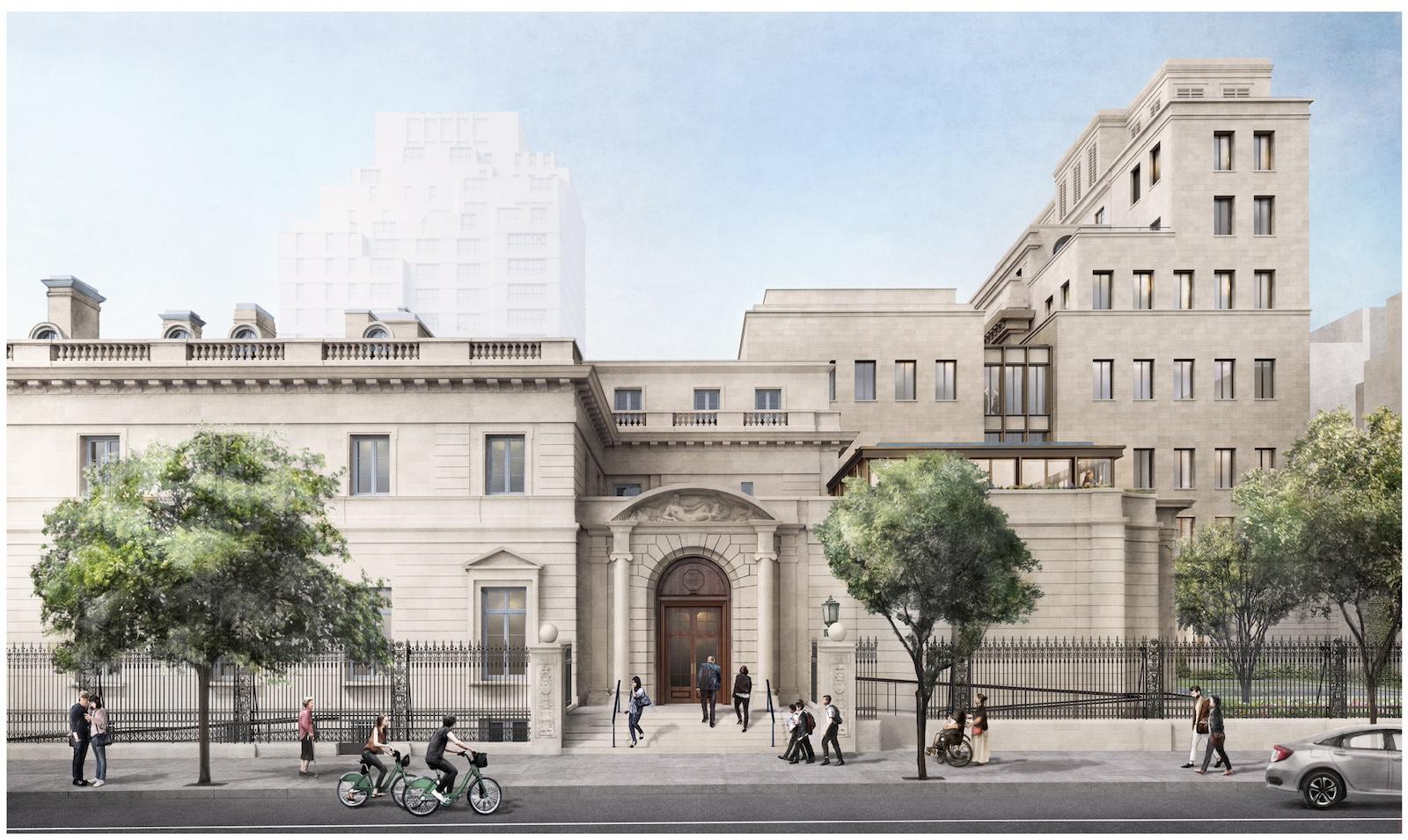
Rendering Courtesy of SellDorf Architects

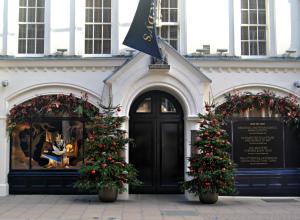
The Frick Collection from East 70th Street

Other rooms will pay tribute to the individual collecting interests of the Frick family members. The original bedroom of Henry Clay Frick, which has become known at the museum as the Walnut Room for its sumptuous wood paneling, will present a selection of portraits, one of the founder’s favored genres. Highlights include George Romney’s famed 1782 portrayal of Lady Hamilton, which once again will take pride of place over the room’s mantelpiece, as well as Ingres’ exquisite Comtesse d’Haussonville (1845), one of the iconic works of the Frick’s collection. Another thematic gallery will feature Impressionist paintings, which were considered modern art during Frick’s lifetime and which he chose to display in the family’s private quarters.

Other rooms pay tribute to the founder’s daughter Helen’s significant role in shaping the collection during her father’s lifetime and for decades after his death. This includes an installation of early Italian Renaissance paintings, a particular passion of hers, which were acquired under her stewardship, including prized works by Cimabue, Piero della Francesca, and Paolo Veneziano, which are presented in Helen’s former bedroom.

The Frick’s collections have grown in a focused and complementary manner over the decades, with more than half of the institution’s holdings coming from acquisitions after the original bequest of Henry Clay Frick. Many of these collections have been shown only in part or temporarily because of space constraints. New installations on the second floor include a presentation of French faience ceramics, the bequest of Sidney R. Knafel, remarkable works of Viennese Du Paquier porcelain given by Melinda and Paul Sullivan, and a special display of rare portrait medals from the unparalleled holdings of Stephen K. and Janie Woo Scher.

Together with Deputy Director and Peter Jay Sharp Chief Curator Xavier F. Salomon, who has led our curatorial team on the reinstallation, Associate Curator Giulio Dalvit, Associate Curator of Decorative Arts Marie-Laure Buku Pongo, and longtime exhibition designer Stephen Saitas, I look forward to welcoming friends of the Frick, old and new, to discover our second-floor galleries and to revisit the beloved spaces of the museum’s ground floor.

*This article originally appeared in Art & Object Magazine's Spring 2025 Issue
About the Author

Subscribe to our free e-letter!

Webform
Art and Object Marketplace - A Curated Art Marketplace