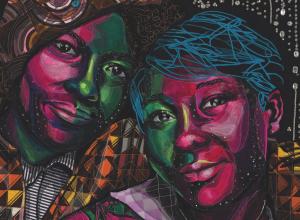
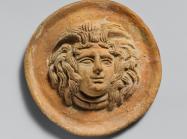

British artist Steve Porter has an intriguing portrait project: Signed99 explores signatures as abstract forms, using a monochromatic palette within a variegated, colored internal frame.
Interviews & Essays
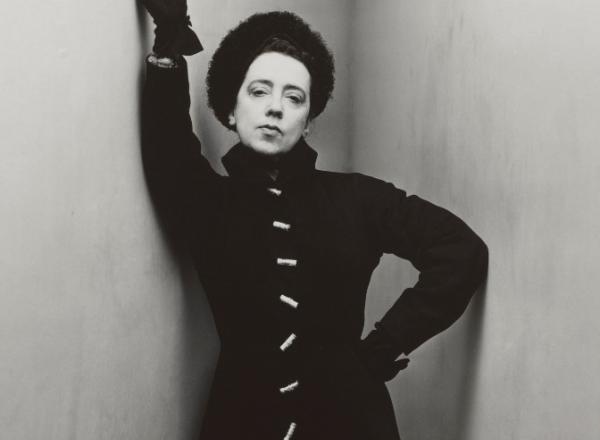
This past week, the fashion house of Schiaparelli debuted their couture collection featuring surrealist forms, realistic animal busts, and kitsch designs
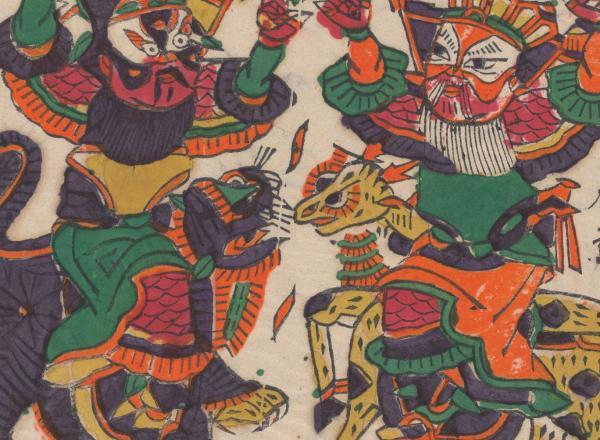
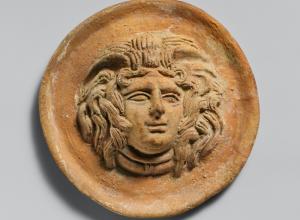
Over the centuries, Chinese artists have created a variety of objects based on or embellished by the twelve animals: mirrors, jade and terracotta statuettes, vases, and paintings.

The bustle was a fashion accessory in Victorian Europe's upper-class society throughout the nineteenth century. In its function, it replaced the hoop skirt to provide wealthy women with a desirable figure that exaggerated the curvature of the buttocks.

The Hugo Ball Prize is awarded once every three years by the German city of Pirmasens and can be given to writers, artists, and publishers. This year, it was awarded to filmmaker and video artist, Hito Steyerl.
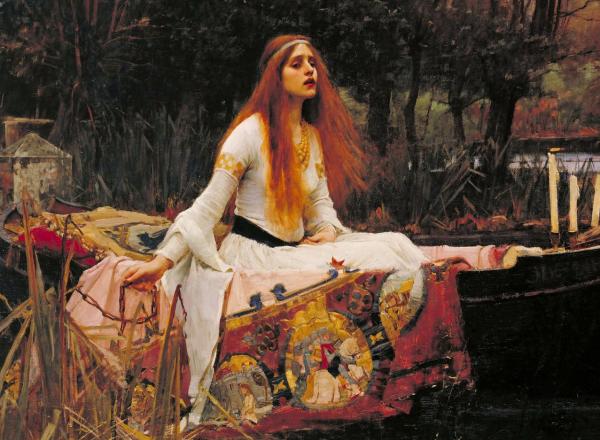
The femme fragile was the product of its time: in the Victorian era, feminine weakness conveyed Godliness and mental purity.

The masks of French Surrealist photographer Claude Cahun (1894-1954) vary from that of an androgynous weight-training flapper to a Buddhist monk.

Caravaggio’s paintings are filled with expressions of aggression, awestruck wonder, dark foreboding, violence, and profound sadness‒the aesthetics of exclamation.
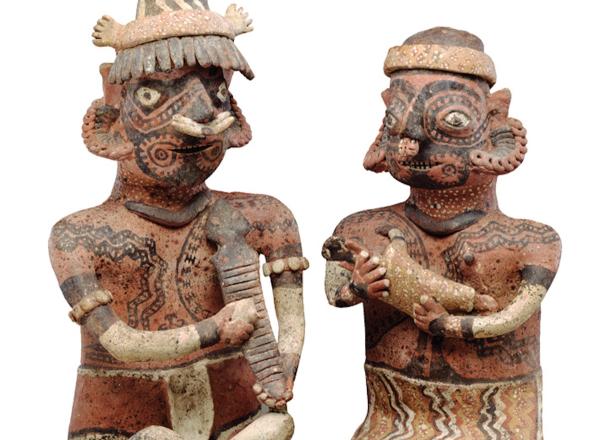
For over five thousand years, the art of tattooing has captivated human cultures. Today, we understand the reasoning for adorning one’s body with images and symbols as being both incredibly varied and extremely personal. But what we don’t think about is how this was also the case in antiquity.
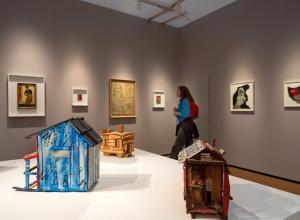
Welcome to the new year, dear readers! It’s 2023, which means a new year, a new beginning, and new art exhibitions to check out. Luckily for you, we put together a round up of the most exciting US museum exhibitions opening this year that you will definitely want to see. Read on to find out which shows made the cut!