At Large  December 17, 2025  Annah Otis

How UNESCO Is Protecting Traditional Art Practices

WikiCommons

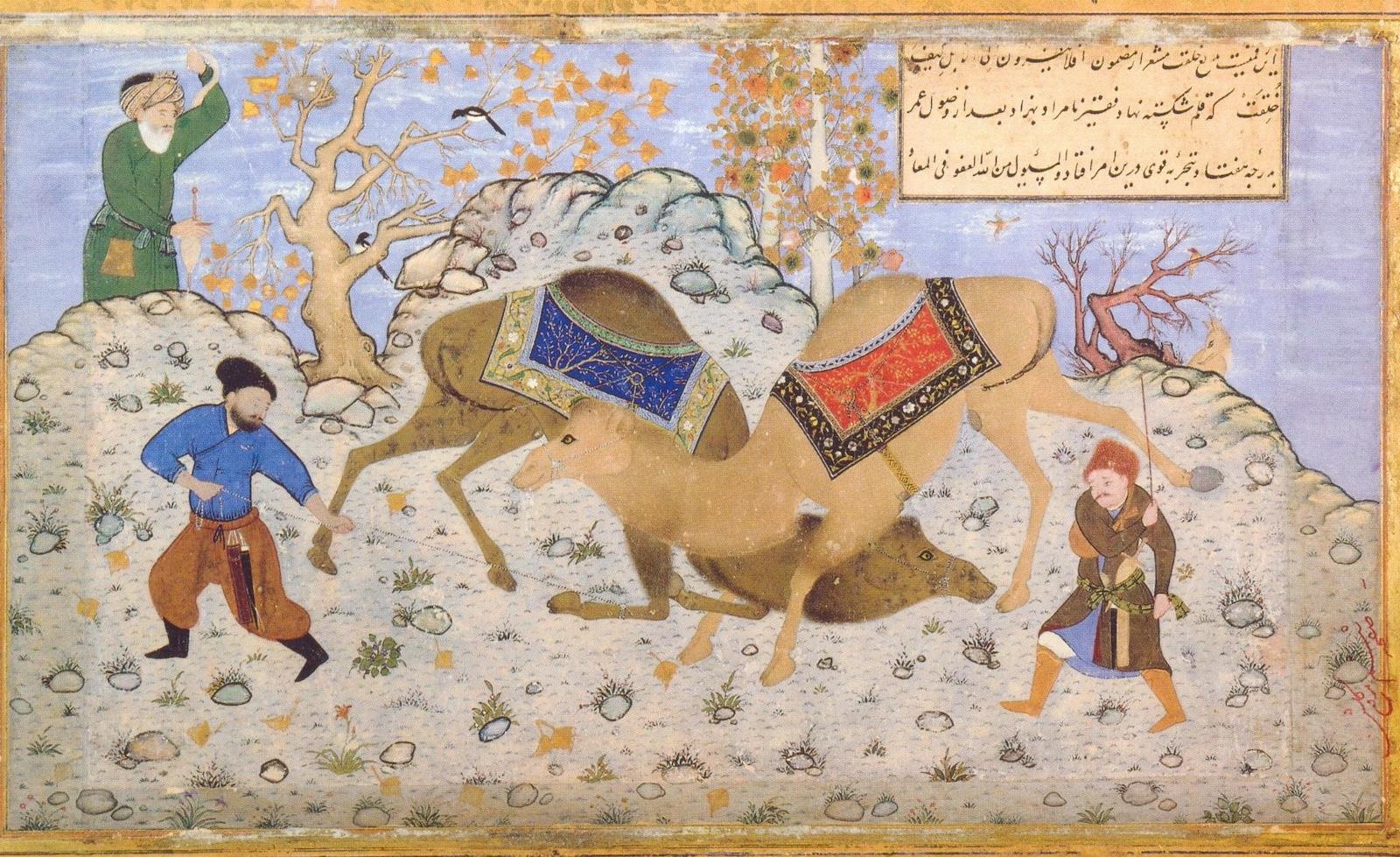
Kamal al-Din Behzad, Camel Fight, Between 1525 and 1560. Golestan Palace Library. License

In the largest inscription round to date, UNESCO’s Intergovernmental Committee for the Safeguarding of the Intangible Cultural Heritage added 68 new elements to its international lists during the 20th session this December in New Delhi, India. The meeting of members from 78 countries marked a significant global effort to preserve living cultural practices encompassing everything from oral history and performing arts to traditional skills and ritual events. UNESCO currently maintains three lists including 788 elements practicing across 150 countries.

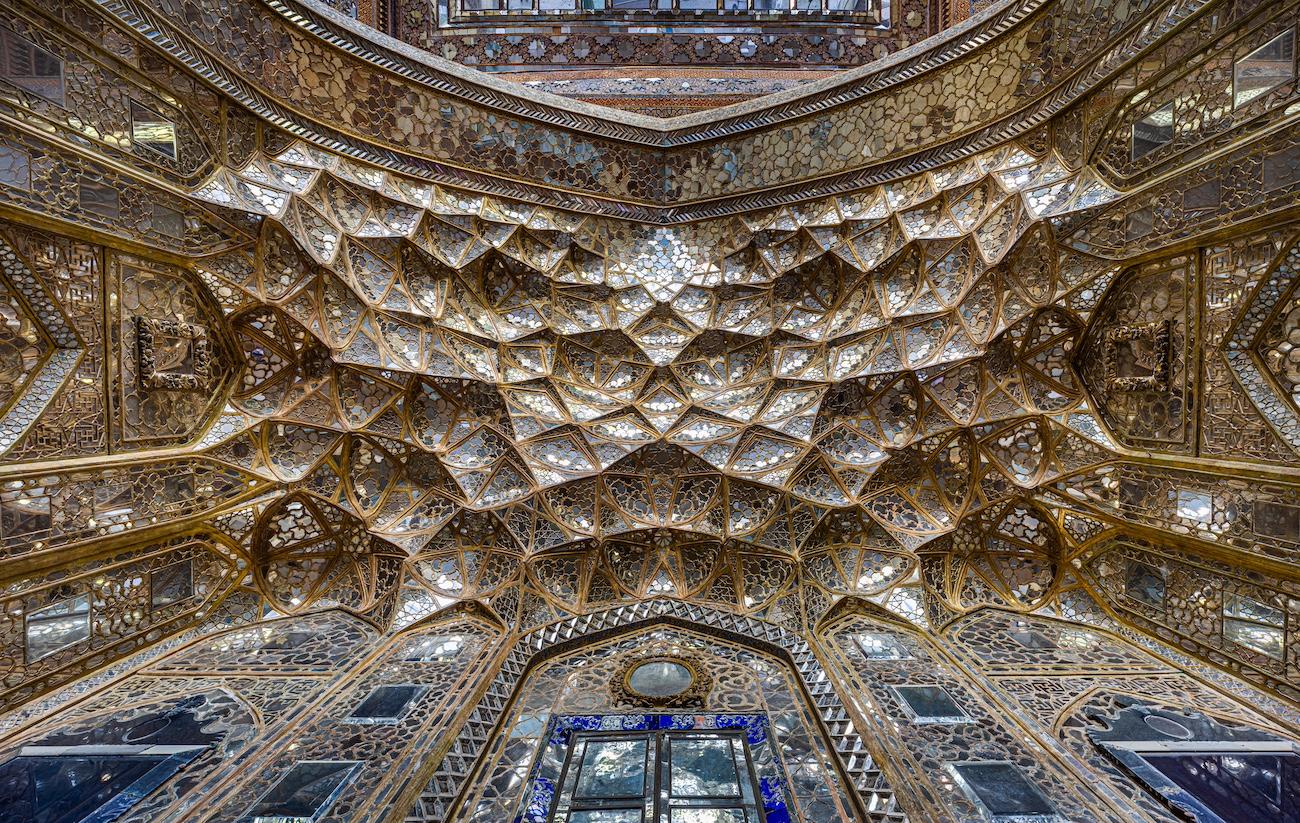
Among additions to the Representative List of the Intangible Cultural Heritage of Humanity are several painting and objectmaking traditions. Kamal al-Din Behzad’s style of miniature art from Afghanistan depicts historical and literary scenes to communicate collective pasts and preserve cultural identity. Washi craftsmanship, or the Japanese practice of hand-making paper from mulberry plant fibers, is passed down through Washi masters and used for a wide range of products. Decorating architectural surfaces with cut pieces of mirrors, the Persian art of Ayeneh-Kari, combines multiple skills and embodies the spiritual importance of light. Basketry traditions of Poland are passed down through generations in the creation of both practical and decorational items.

WikiCommons

Ayeneh-Kari, the art of decorating architectural surfaces with pieces of mirrors, on the ceiling of Chehel Sotoun in Iran. License.

Although the women-dominated weaving and textile arts have historically been overlooked as true art forms, their importance as carriers of cultural heritage is starting to become more recognized. This is reflected in the addition of three threadworking practices to the Representative List of the Intangible Cultural Heritage of Humanity. Tangail saree weaving in Bangladesh reflects local cultural and social practices through detailed designs and regional patterns. Drawn thread embroidery, known as Antep İşi, from Turkey doubles as a social activity that is passed down from mothers to daughters as a way to maintain regional and urban identity. Al Sadu weaving is performed by Bedouin women who incorporate geometric designs reflecting their surrounding desert environment into natural fiber textiles used as symbols of shared traditions and cultures.

Three visual arts traditions were also added to the List of Intangible Cultural Heritage in Need of Urgent Safeguarding. Đông Hồ Folk woodblock printing from the Bac Ninh province in Vietnam depicts historical events, daily life, and landscapes in colorful prints created using carved wooden blocks. Only a small number of families continue the tradition, and it can take many years of dedicated training to master. 
WikiCommons

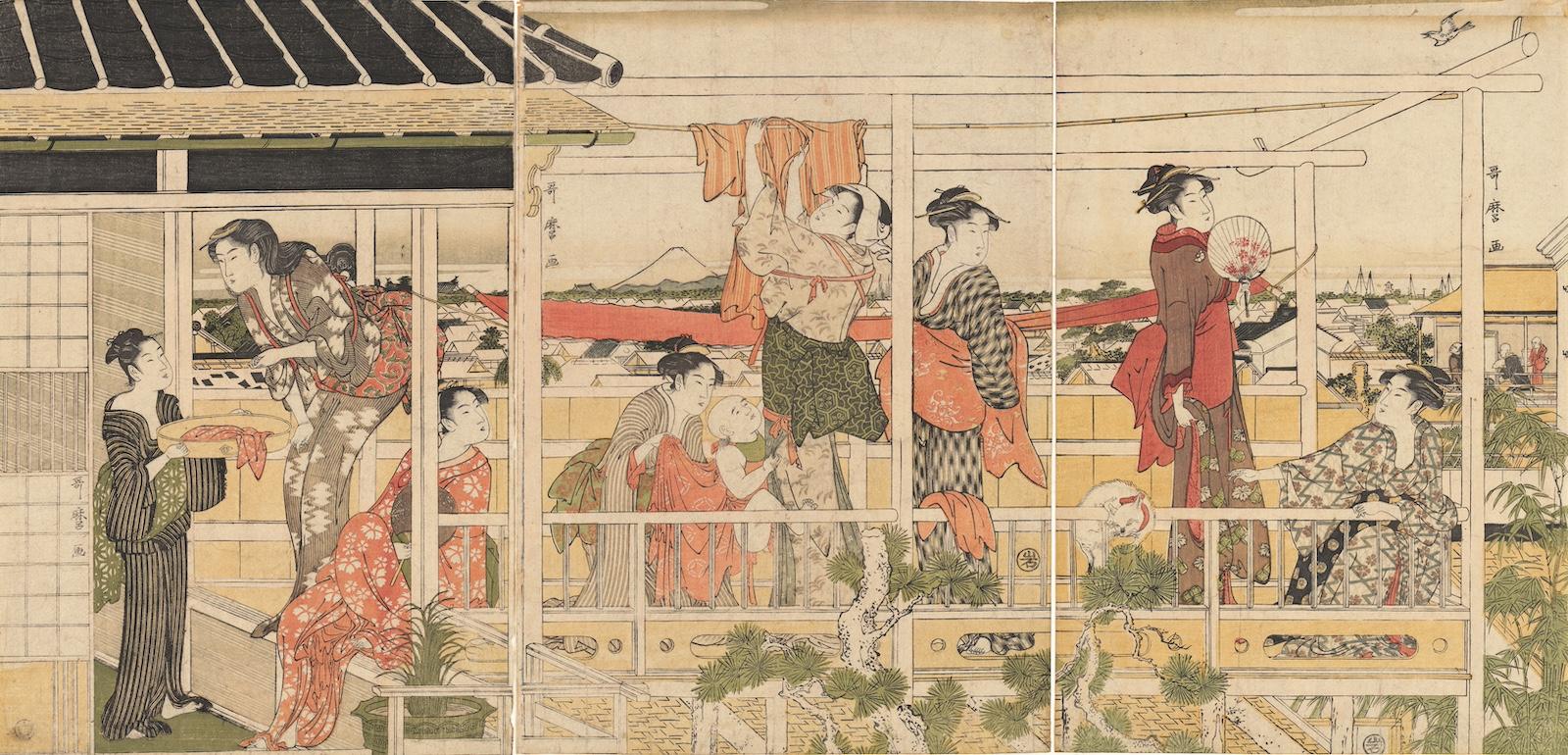
Women Hanging Laundry to Dry on a Balcony, Woodblock print by Kitagawa Utamaro, c. 1790. License

In Paraguay, the ceramic practice of Ñai’ũpo involves using wild clay gathered from nearby swamps to make cooking and eating utensils decorated with natural paint. It is a primarily women-led practice that is passed down through generations and supports the preservation of cooking traditions. Negliubka is a weaving and embroidery practice from the Gomel region of Belarus in which woven towels and clothing are decorated with complex color combinations and patterns. Women are the primary practitioners, and skills are passed from mothers to daughters.

Inclusion on these lists often unlocks crucial funding, recognition, and visibility for communities struggling to keep traditional practices alive. In a digital world, the work of preserving centuries-old art forms is critical to maintaining regional identity and community cohesion. China will host the committee’s 2026 meeting as members continue to safeguard humanity’s diverse cultural expressions for future generations.

About the Author

Subscribe to our free e-letter!

Webform
Art and Object Marketplace - A Curated Art Marketplace