At Large  June 17, 2026  Annah Otis

The British Museum and the Limits of a Neutral Institution

WikiCommons

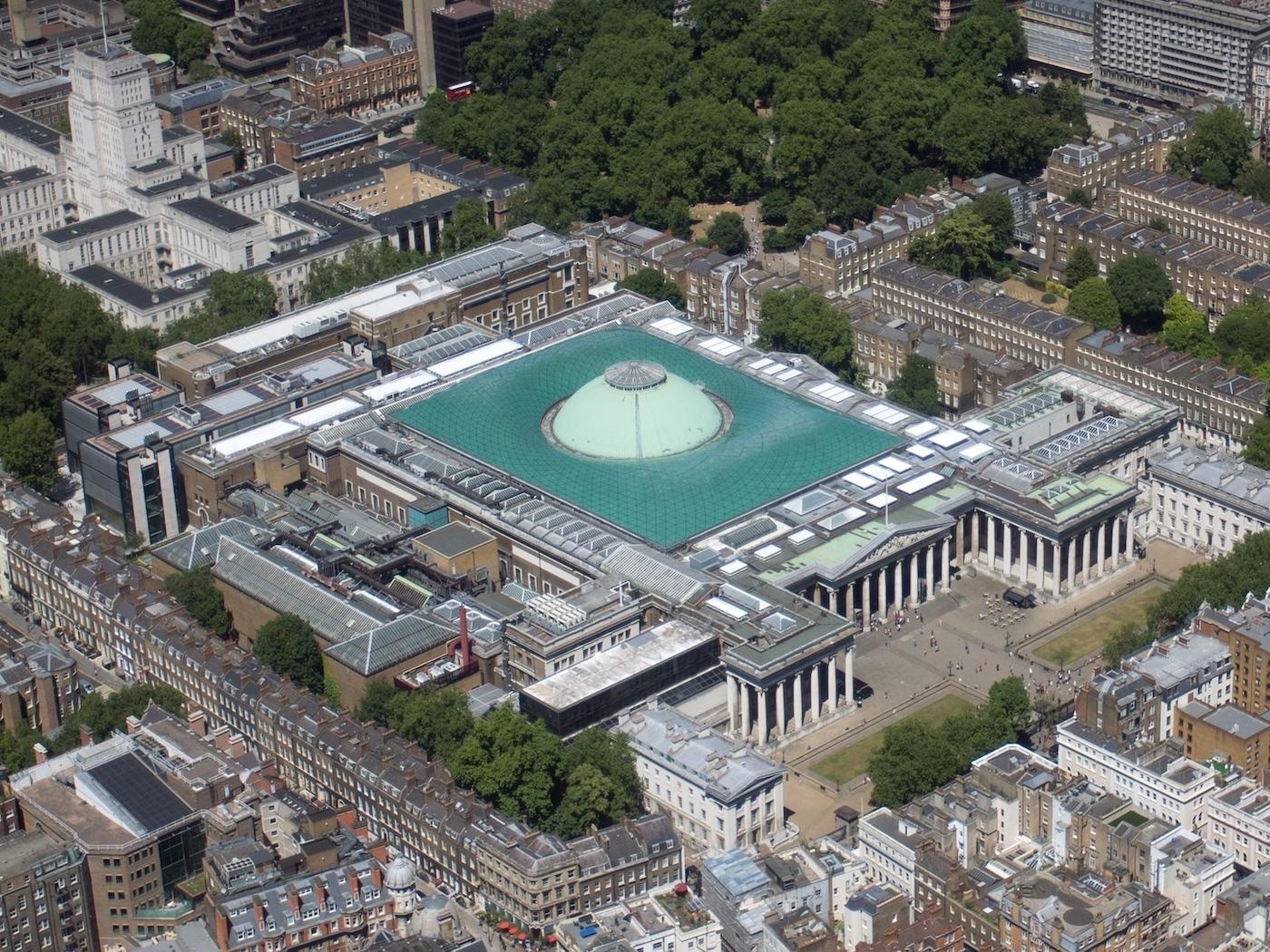
An aerial shot of the British Museum. License.

By the time the British Museum’s doors opened to ticket holders for a lecture on Ancient Israel and Judah on June 11, the event had already been postponed once and embroiled in a fierce debate over institutional barriers to free speech. It was originally scheduled for late May as part of the United Kingdom’s inaugural Jewish Culture Month but was pushed after the museum was given a credible tip that 25% to 50% of registered attendees intended to cause a disturbance.

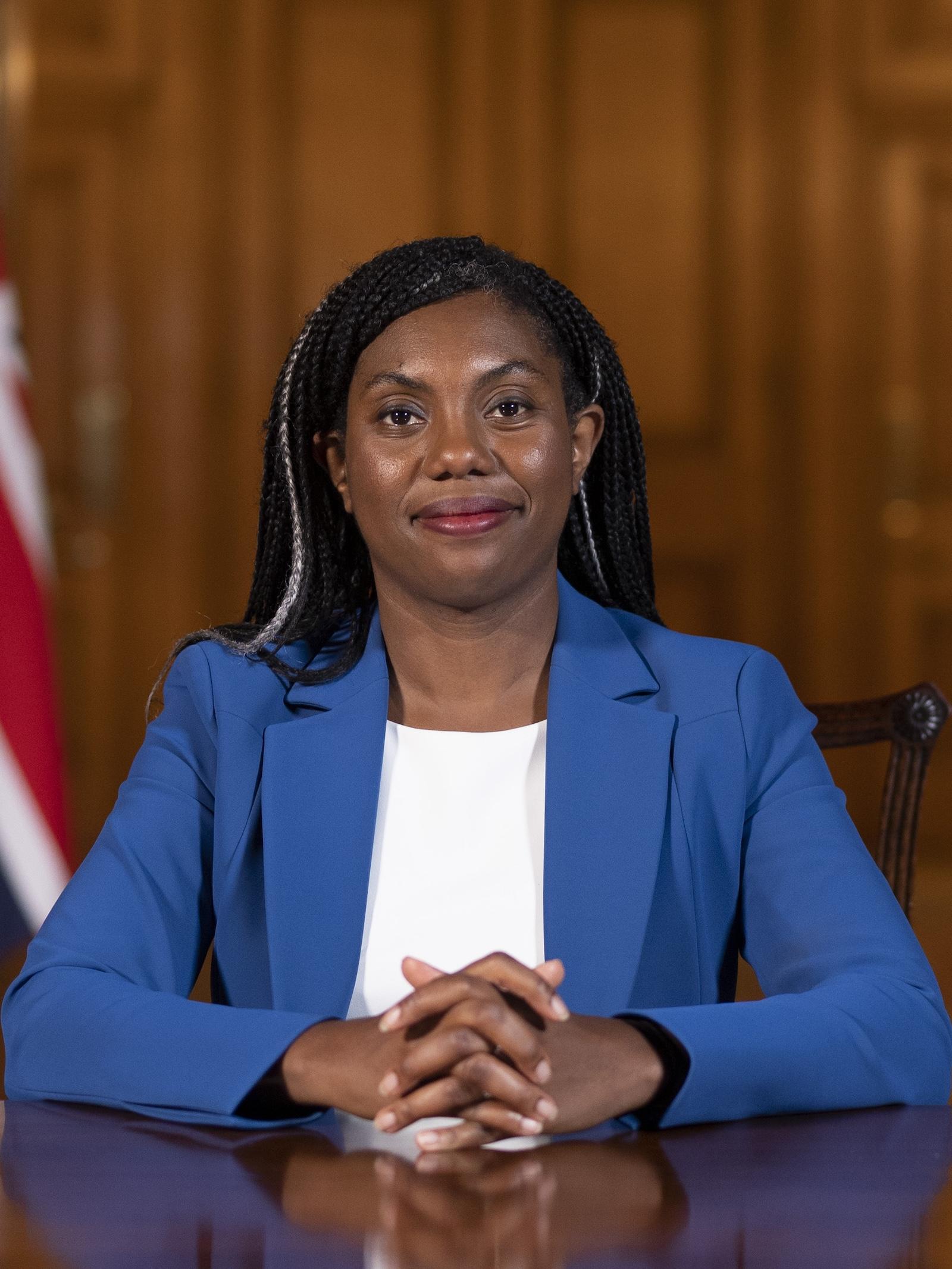
As a result of that decision, museum director Nicholas Cullinan has faced a forceful backlash. Conservative leader Kemi Badenoch argued that the museum was retreating from hosting conversations about Jewish identity under the threat of protest and called for the government to intervene. But, since British museums operate separate from the government despite public funding, there is very little governing bodies can do. Jewish commentators and free speech advocates likewise accused the museum of standing in the way of free speech.

WikiCommons

Conservative leader Kemi Badenoch. License.

In response to the outcry, Cullinan published a statement defending his decision, pointing out that not every decision is political and that thousands of visitors would have been in the building at the time of the lecture. Only ticketed attendees were allowed inside the British Museum on the day of the actual event, all of whom went through two separate security checks before entering the theater for Dr. Paul Collins’ talk. The lecture, attended by an additional 4,000 people virtually, went off without any disruptions as Collins presented on the archaeology and history of the ancient kingdoms of Israel and Judah.

Part of the controversy stemmed from a claim made by the UK Lawyers for Israel earlier this year, stating that maps and descriptions in the British Museum had been changed to eliminate the word “Palestine.” Husam Zomlot, Palestinian Ambassador to the UK, asked the Foreign Office to get involved in early May and called the museum’s acts a form of historical erasure. Some references to Palestine remain in the museum’s galleries, but photographic evidence does show that others have been removed, despite the institution’s claims to the contrary. Critics were therefore primed to be suspicious of any decisions by the museum around Palestinian or Jewish culture and artifacts.
WikiCommons

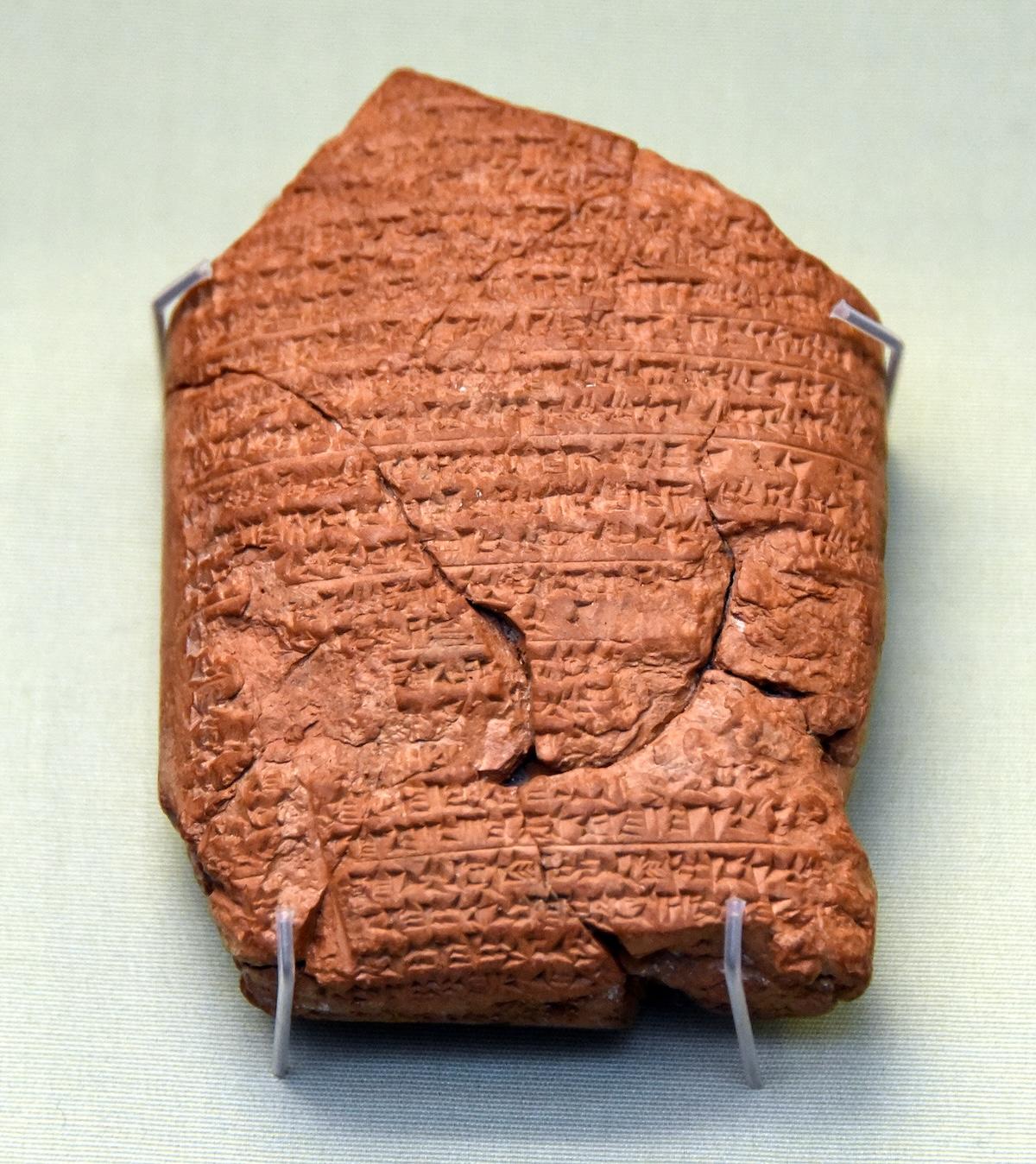
A cuneiform inscription on a clay tablet in the British Museum highlighting the conquest of Jerusalem in 597 BCE, c. 550-400 BCE. License.

Taken together, the two episodes demonstrate exactly how tenuous of a line museums have to walk between acting as stewards of their collection’s historical context and respecting contemporary conversations or political tensions—especially with collections built through empire. Removing a name from a label can become evidence of erasure, or correction, depending on who is reading it. Postponing a lecture can become a capitulation to intimidation or responsible crowd and safety management.

Major encyclopedic museums tend to shy away from overt political statements, instead striving to be neutral curators of human civilization in its totality. Current events are testing whether remaining completely above the fray is even possible. It is only a matter of time before another institution is asked to answer the same question that the British Museum and Cullinan had to: exactly what does it mean to be a steward of contested histories and artifacts?

About the Author

Subscribe to our free art newsletter!

Webform
Art and Object Marketplace - A Curated Art Marketplace