

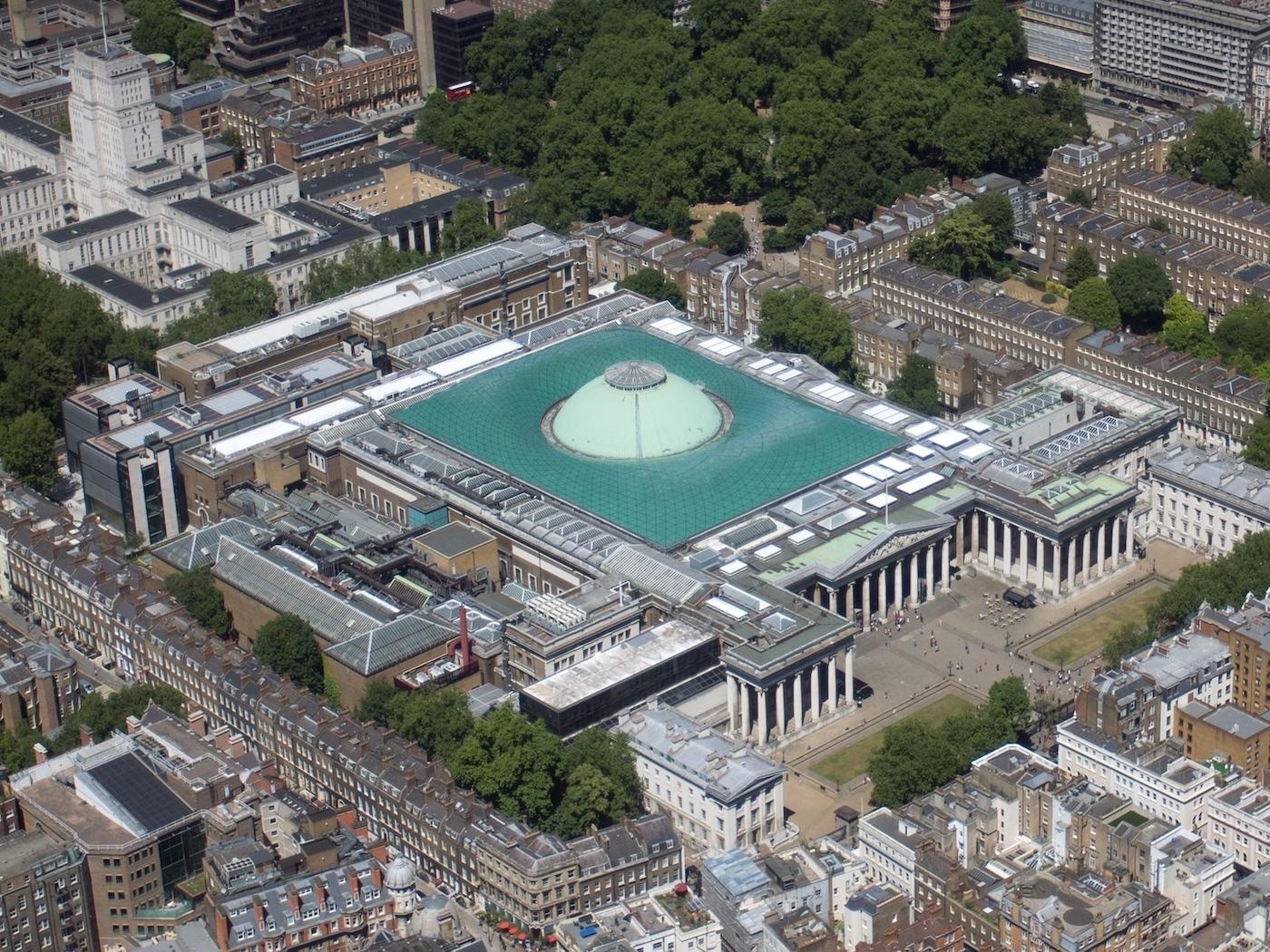
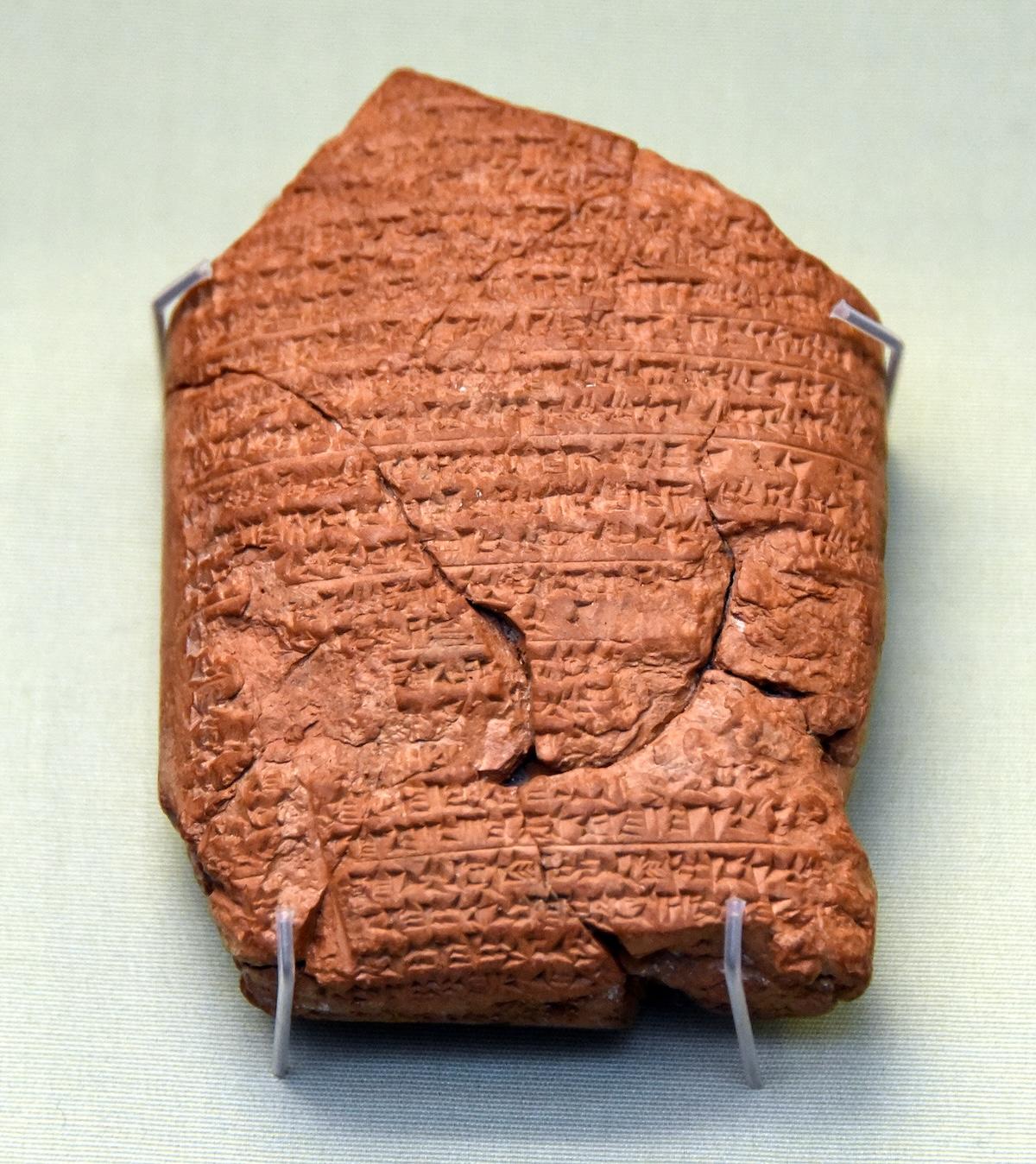
In response to the outcry, Cullinan published a statement defending his decision, pointing out that not every decision is political and that thousands of visitors would have been in the building at the time of the lecture. Only ticketed attendees were allowed inside the British Museum on the day of the actual event, all of whom went through two separate security checks before entering the theater for Dr. Paul Collins’ talk. The lecture, attended by an additional 4,000 people virtually, went off without any disruptions as Collins presented on the archaeology and history of the ancient kingdoms of Israel and Judah.
Part of the controversy stemmed from a claim made by the UK Lawyers for Israel earlier this year, stating that maps and descriptions in the British Museum had been changed to eliminate the word “Palestine.” Husam Zomlot, Palestinian Ambassador to the UK, asked the Foreign Office to get involved in early May and called the museum’s acts a form of historical erasure. Some references to Palestine remain in the museum’s galleries, but photographic evidence does show that others have been removed, despite the institution’s claims to the contrary. Critics were therefore primed to be suspicious of any decisions by the museum around Palestinian or Jewish culture and artifacts.








.jpg)
_2.jpg)
