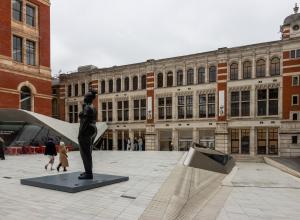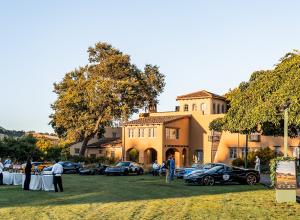



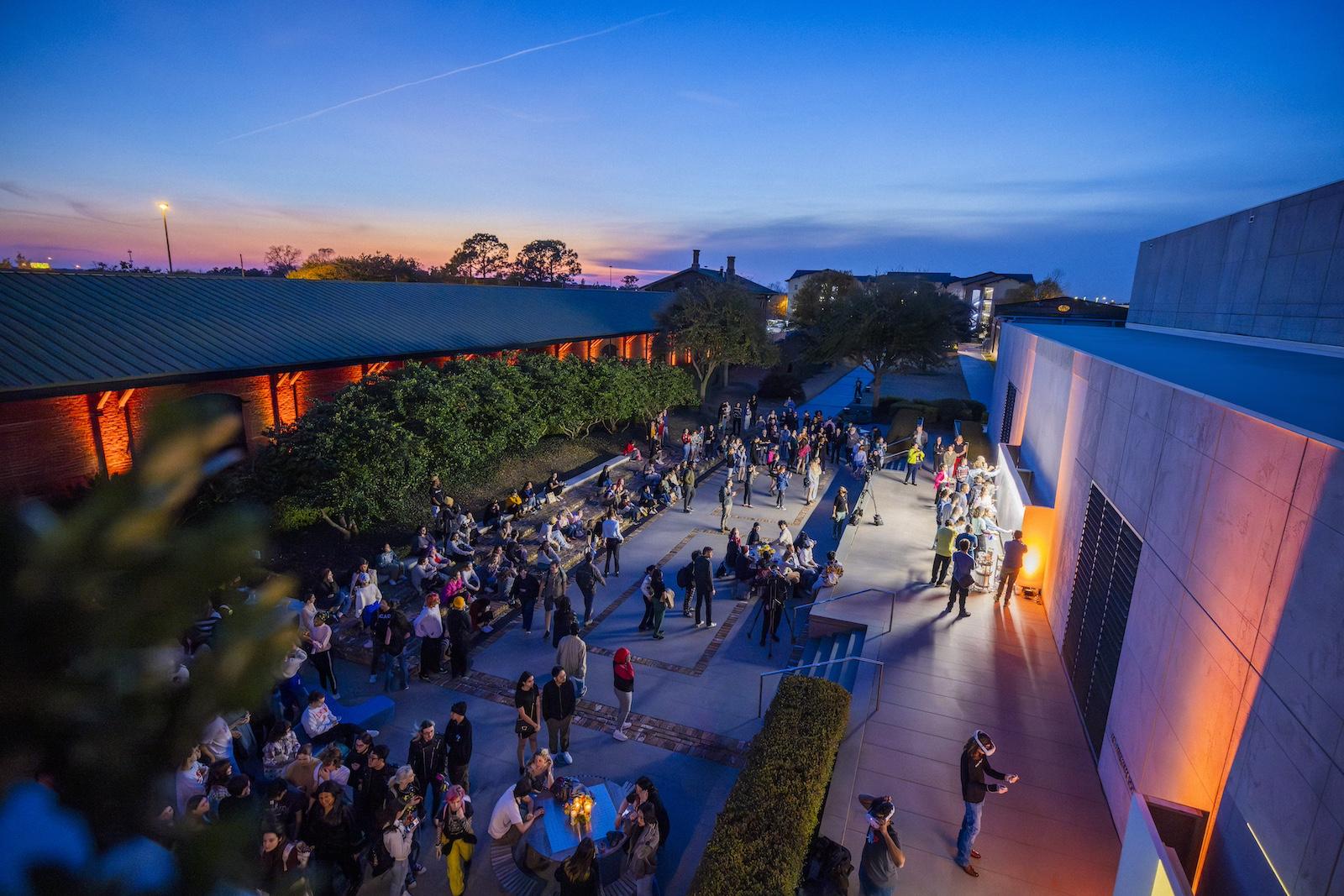
Savannah College of Art and Design (SCAD) 2024 Winter deFINEart Opening Reception
Art & Object is proud to share our latest iteration of the top 15 undergraduate art schools in the United States, to help student artists find their best educational match.
Our 2026 ranking includes many familiar schools throughout the country, from SCAD and MassArt, to Yale and SAIC. We’ve used the same criteria as in our previous lists to reach our conclusions, weighing tuition costs, ranges of majors, endowments, post-graduation employment rates, diversity and inclusion levels, student-faculty ratios, and standards of living in the surrounding cities and towns. We’ve also considered social and environmental aspects, such as a school’s reputation, its surrounding art community, and affiliated museums.
Student bodies range from just over 40,000 students to slightly over 800, in locations as diverse as Savannah, Boston, New Haven, and Chicago. Each institution, no matter its size, prioritizes artistic growth and is committed to facilitating each student’s development as an artist. Most of them also have culturally diverse student populations. Possible majors range from the more traditional to the cutting edge, including art history, drawing, painting, printmaking, sculpture, dance, 3D animation, kinetic imaging, and fashion design.
We believe rankings like this one can help students sift more skillfully through their options, making them better prepared to face the often overwhelming and expensive application and admission process. With that, we are thrilled to announce our list of the 15 Best Art Schools in the United States.
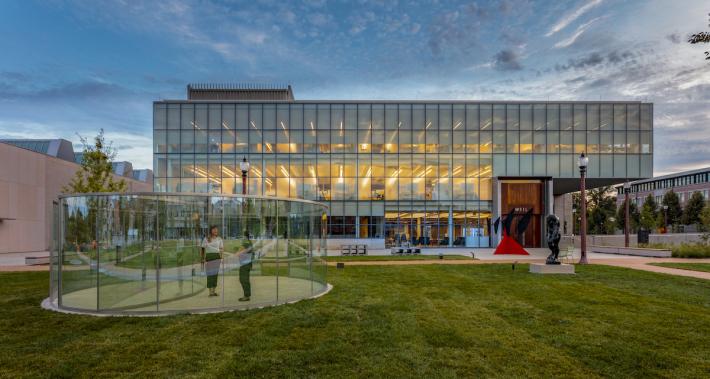
Located in downtown St. Louis, Missouri–home of the famous Gateway Arch–Washington University’s Sam Fox School of Design and Visual Arts offers BFA and BA programs. Majors include Art–with optional concentrations in Painting, Photography, and Printmaking–Communication Design, and Fashion Design.
Tuition is $68,240. WashU offers competitive financial support packages and strives to meet 100% of demonstrated financial need, with a no-loan policy for most families earning under $125,000. The WashU Pledge gives full rides to qualifying Missouri and Illinois students, while the $13.2 billion endowment supports merit scholarships and an opportunity fund.
Situated in the St. Louis Grand Center Arts District, Sam Fox School students have access to an innovative local art community. Heralded as the the most exciting emerging arts district in America by Forbes, Grand Center hosts over 1,500 cultural events annually, has 12 museums and galleries–including the Contemporary Art Museum, The Griot Black History Museum, and the St. Louis Art Museum– and an eclectic assortment of eateries, jazz clubs, cabarets, and theaters, all within four square blocks.
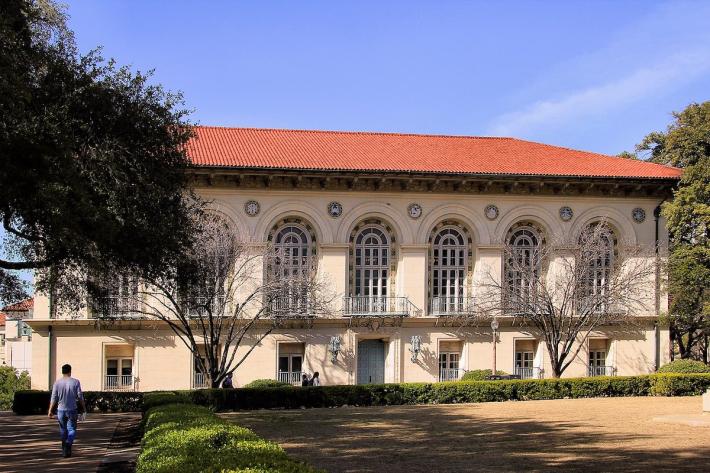
The University of Texas at Austin College of Fine Arts is the largest school on our list, with 43,165 undergraduates enrolled at UT-Austin as a whole, but there are only 1,736 undergraduates enrolled at the College, making the faculty-to-student ratio significantly smaller than the university at large. While the greater university has a student-faculty ratio of 18:1, there are nine faculty members for every art student. The College offers BAs and BFAs in Art Education, Art History, Design, and Studio Art. There is also a fine arts-focused career services office embedded in the college to help students be career ready, whether that's in the arts or beyond.
Surrounded by the vibrant arts and culture of Austin, with its strong indie music scene, diverse eateries, and access to multiple art museums and galleries–including the Blanton Art Museum, the Mexic-Arte Museum, and Umlauf Sculpture Garden & Museum–students will find plenty of inspiration.
In-state tuition is $11,630, while out-of-state tuition is $45,374. The university’s endowment of $14 billion also supports providing financial aid to 66% of first-year students, most of which is grants and scholarships. The average need-based scholarship or grant awarded to first-year students was $16,689, and the typical first-year financial aid package is $10,474.00.
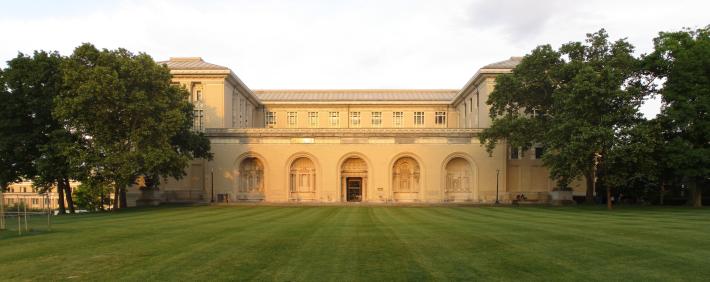
Based in Pittsburgh– one of the Top 20 Most Vibrant Arts Communities in America–Carnegie Mellon University is a private research university, consisting of seven colleges. The College of Fine Arts (CFA), founded in 1905, was one of the first comprehensive arts teaching institutes in the United States. The School of Art and School of Design are separate. With only 200 undergraduates, both national and international, the School of Art is a tight-knit community, with a student-teacher ratio of 9:1, offering a BFA in Drawing, Painting, Print Media & Photography, Sculpture, Installation & Site-Work, Electronic & Time-Based Media, and Social Practice. There is a 91% graduation rate, and a post-graduation employment rate of 90%.
Students are mentored by internationally recognized faculty, many of whom are Guggenheim Fellows, learning to challenge norms, cross disciplines, and experiment with new approaches–as exemplified by alumnus Andy Warhol. The campus community provides hundreds of student organizations and activities, while the city itself offers access to 50 world class museums–including the Carnegie Museum of Art, the Andy Warhol Museum, and the Frick Art Museum– over 40 public libraries, and 30 concert venues.
The CFA meets 100% of every student’s financial need. Carnegie Mellon recently launched the CMU Pathway Program–meaning students from families earning less than $75,000 annually may attend CMU tuition-free. Additionally, those from families earning less than $100,000 annually may attend without the burden of federal student loans. Undergraduate tuition is $67,020, and all students who fill out the FAFSA and the CSS profile are considered for the Carnegie Mellon Undergraduate Grant. Students applying for financial aid are also automatically considered for Endowed Scholarships.
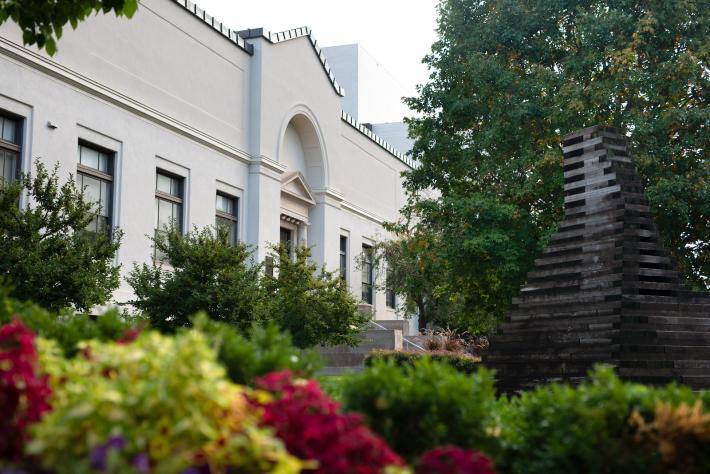
Founded in 1886, the Minneapolis College of Art and Design (MCAD) is a private, non-profit residential college that combines rigorous academics with hands-on studio experiences, shaping creative leaders and professional artists from across the globe. The college offers 14 majors–from Animation and Comic Art to Graphic Design and Creative Entrepreneurship. Graduate programs include an MFA in Visual Arts, as well as master's degrees in Creative Leadership, Sustainable Design, and Web and Graphic Design. Over 800 students receive personalized instruction from practicing artists and industry professionals, with a 13:1 student to faculty ratio. Students often collaborate with real world professionals on current issues; The Creative Entrepreneurship department has been working on arctic research for the U.S. Department of Defense, collecting spatial data to predict the rate of permafrost melting in Alaska. MCAD’s campus includes state-of-the-art studios, a 3D shop, café, and collaborative work spaces.
Undergraduate tuition is $46,464. 97% of full-time, first-year undergraduate students received assistance through scholarships and grants in the current academic year. Students may participate in MCAD’s annual Art Sale–the largest college art fair in the country. Sales support participating artists and fund MCAD student scholarships.
The birthplace of musician Prince, with numerous lakes and parks, Minneapolis has a thriving arts and culture scene. In addition to the MCAD gallery, students have access to the Minneapolis Institute of Art and Minneapolis Sculpture Garden– home to Claes Oldenburg and Coosje van Bruggen’s iconic SpoonBridge and Cherry.
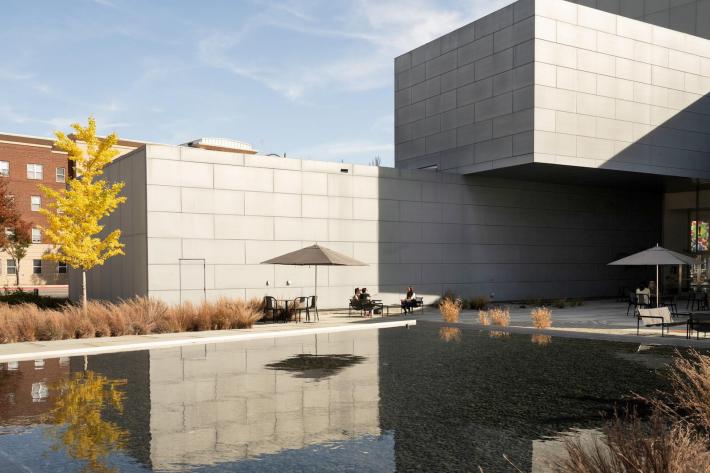
Based in Richmond, a city known for embracing the arts, Virginia Commonwealth University (VCU) was named one of the top 30 public universities in the country for innovative economic growth by the U.S. News and World Report and the APLU. Born from a single art class offered by Theresa Pollak in 1928, VCUarts is now an internationally recognized, highly ranked arts school. Its Visual Arts program houses the School's top-ranked departments, including the #1 ranked Sculpture + Extended Media and the #2 ranked Painting + Printmaking. As a larger school, the student-to-faculty ratio is 17:1, but first-year student retention is high, at 85%.
VCUarts offers BAs, BFAs, minors, and certificates in 16 areas, including Art Education, Art History, Dance + Choreography, Fashion Design + Merchandising, Graphic Design, Kinetic Imaging, Music, Painting + Printmaking, Photography + Film, Sculpture + Extended Media, and Theatre.
Tuition for in-state undergraduates is $13,520 per year, and for out-of-state undergraduates: $35,994 per year. A third of VCU students are Pell Grant recipients, and 70% of undergraduates receive some form of financial aid in the form of scholarships or grants. First Year students who apply by November 1 are automatically considered for university-level scholarships ranging from $8,000 to $16,000 per year. Additional scholarships, including the VCUarts Talent Scholarship, are available to students who apply by January 15.
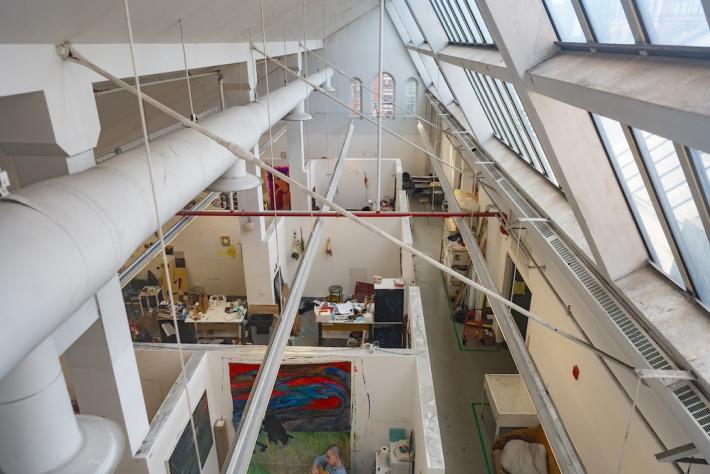
Founded in 1859, The Cooper Union for the Advancement of Science and Art, dedicated to its founder’s idea that education is the key not only to personal prosperity but to civic virtue and harmony, is organized into three schools, one of which is the School of Art. Tuition is $44,550. Cooper Union meets 100% of demonstrated and determined financial need. Currently, more than half of the undergraduate students receive full-tuition coverage through scholarship and grant aid. Every undergraduate student receives a half-tuition scholarship valued at $22,275 per year, as well as need- and merit-based aid, if eligible. Cooper Union plans to be 100% tuition-free by the 2028-2029 academic year.
The goal of the BFA program is to educate students in the skills, knowledge, and understanding necessary for practicing professionals in art and design-related fields. First-year students begin with the Foundation Program, which introduces core skills. After the first year, students choose a focus. BFA programs include Drawing, Audiovisual, Graphic Design, Painting, Photography, Printmaking, and Sculpture. All students in their second, third, and fourth years, as well as exchange students, are provided with individual studio spaces. There is an 88% post-graduate employment rate.
Cooper Union’s integrated curriculum combines fine arts disciplines, humanities, social sciences, sciences, and the history and theory of art, providing artists with a broad education. This prepares them, both as wide-ranging creative practitioners and world citizens, to question and transform society.
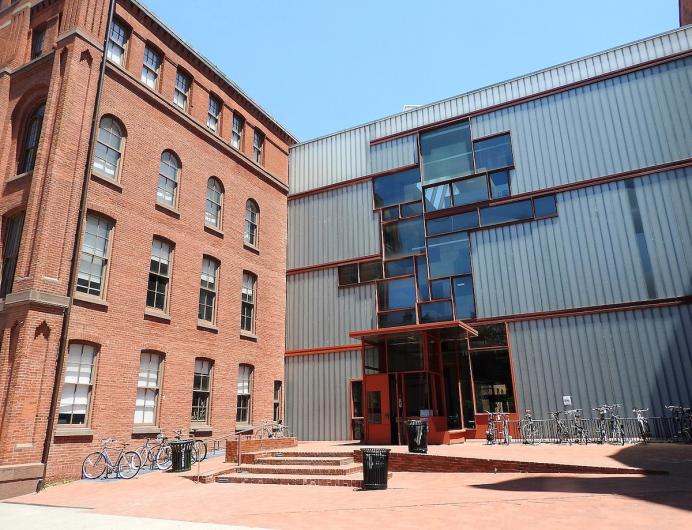
The Pratt Institute, with campuses in Brooklyn, Manhattan, and Utica, was ranked #7 out of 263 U.S. and international art and design universities in the QS World University Rankings by Subject 2025: Art & Design. The listing also ranks Pratt #4 in the United States. Additionally, Pratt was ranked #10 in the History of Art category. Alumni include fashion and design icons Betsy Johnson, Jeremy Scott, and Paul Rand.
Pratt offers thirteen BFA programs, with many digital arts options, including 2-D or 3-D Animation and Art + Technology, as well as Art and Design Education, Fine Arts (including Painting and Drawing and a minor in Ceramics), Communications Design, Fashion Design, and Interior Design. They also offer a number of associate degrees as well as graduate degrees.
Pratt Manhattan Gallery’s exhibitions support Pratt’s interdisciplinary, research- and inquiry-based education, while students also have access to New York City’s amazing art scene, with hundreds of museums, galleries, and artistic spaces.
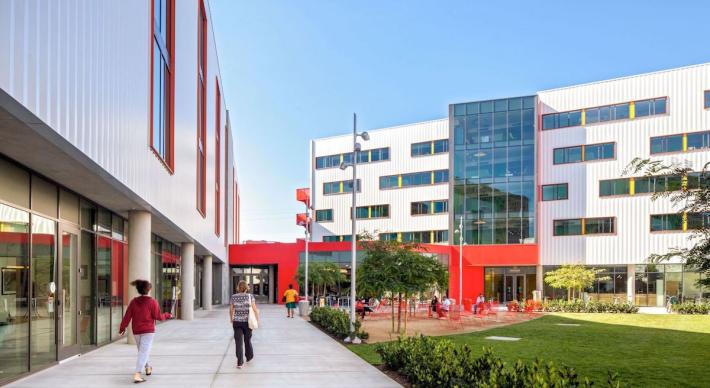
Founded in 1918, Otis College of Art and Design is the first art and design school in Los Angeles. A nonprofit institution serving BFA and MFA students, in addition to offering extension programs for adults and youth, Otis College is recognized as a leader in education and diversity and offers eight BFA programs, including Animation, Fashion Design, Fine Arts, Environmental Design, and Toy Design.
Undergraduate tuition is $54,120, and 98% of first-year students receive financial aid. The average need-based package is $35,842. Otis offers merit and financial-based scholarships. One of only three art and design colleges in the U.S. to be designated an Opportunity College for Higher Earnings and Higher Access by the Carnegie Foundation and American Council on Education, Otis is in the top 16% of all U.S. colleges to receive this designation. Classes have a 9:1 student-faculty ratio, and graduates have an impressive 96% employment rate.
Los Angeles functions as an extended campus, providing easy access to museums, galleries, and attractions, as well as great food, beaches, hiking, and excellent internship and employment opportunities. Shepherded by faculty such as Meg Cranston and von curtis, generations of alumni have become influential artists and designers, changing the face of the creative economy.
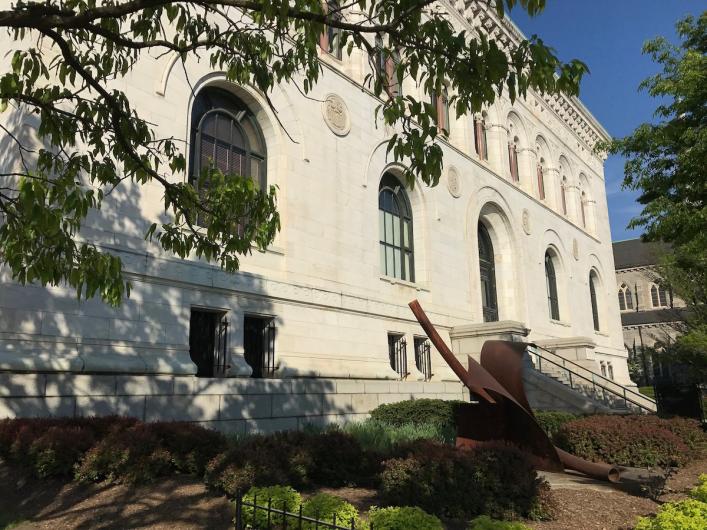
Founded in 1826, in Baltimore, the Maryland Institute College of Art (MICA) is the oldest independent, continuously degree-granting college of art and design in the U.S. Tuition is $56,500. 100% of first-year students receive aid, with the average total net aid awarded being $28,435. MICA offers a number of need-based, merit-based, competitive, and private scholarship options, including the Creative Vision Award and the National Art Honor Society Scholarship. Most of these require a great portfolio exhibiting the highest level of skill, artistic voice, and resolution.
All undergraduates start out with the core First Year Experience–a foundation-level exploratory art and design program–before choosing a major. MICA offers 16 BA or BFA majors in a wide variety of fields, including Animation, Art Education, Ecosystems, Sustainability & Justice, and Graphic Design, as well as Co-majors such as Game Design and Experimental Fashion, and over 30 possible minors. MICA brings in over 175 visiting artists, critics, designers, poets, writers, and art historians each year. Classes have a student-faculty ratio of 9:1, with a 90% post-graduate employment rate.
Despite past issues with high crime, Baltimore has become a much safer city. The ADP Research Institute ranked Baltimore second–after Raleigh–as one of the best cities for college graduates in a 2024 analysis that considered hiring, wages, and affordability. Expedia also named it one of America's most artistic towns. In addition to having a top-rated art school, Baltimore has a growing art scene with incredible museums, including the Baltimore Museum of Art.

Founded in New Haven, Connecticut in 1864, the Yale School of Art is one of the oldest and most prestigious art schools in America. Department of Design chair Josef Albers–on faculty from 1950 to 1958–revolutionized how art and design are taught, with his focus on art as a process, rather than as a finished product. Yale’s acceptance rate of 6% may be intimidating, but its exceptional education, with a student to faculty ratio of 5:1, has produced many iconic contemporary artists, including alumni Chuck Close, Eva Hess, and Wangechi Mutu. The School of Art offers BAs and BFAs, as well as MFA degrees, in Graphic Design, Painting/Printmaking, Photography, and Sculpture.
Undergraduate tuition is $48,500. Supported by its $41.4 billion endowment, Yale has a large number of art-based scholarships, grants, residencies, and fellowships available. The average need-based scholarship or grant awarded to first-year students at the university was $74,040. Over 80% of enrolled students received a scholarship during the 2024-2025 academic year.
The Yale University Art Gallery–the oldest college art museum in America–offers students plenty of inspiration, while New Haven provides a vibrant and diverse arts scene, from world-class museums and galleries to live theater performances and outdoor arts festivals. The art worlds of New York and Boston are also just a train ride away.
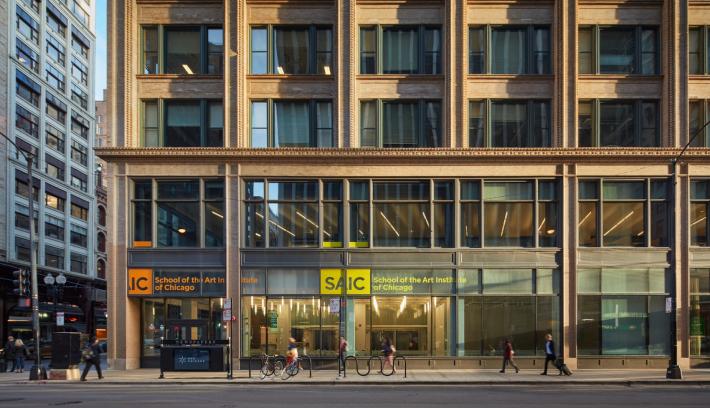
Internationally regarded as one of the best art schools in the U.S., the School of the Art Institute of Chicago (SAIC) offers a comprehensive education centered in the visual and related arts, with 17 BA or BFA opportunities, including Art Education, Ceramics, Fashion Design, and Photography. SAIC also offers graduate programs in Studio, Design, and Academic fields, along with post-baccalaureate certificates and a low-residency MFA. For nearly 160 years, SAIC has been a leader in educating the world’s most influential artists, designers, and scholars.
Located in downtown Chicago with a fine arts graduate program ranked number two in the nation by U.S. News and World Report, SAIC provides an interdisciplinary approach to art and design as well as world-class resources, including the Art Institute of Chicago museum, on-campus galleries, and state-of-the-art facilities. SAIC’s undergraduate, graduate, and post-baccalaureate students have the freedom to take risks and create the bold ideas that transform Chicago and the world. Notable alumni include award-winning graphic novelist Emil Ferris and Amy Lawson Smeed–Head of Animation for Walt Disney Animation Studios.
Undergraduate tuition is $57,240. A variety of merit and need-based scholarships and grants are available. SAIC awarded over $56 million in assistance during the 2023–24 academic year, and the post-graduate employment rate is 92%.
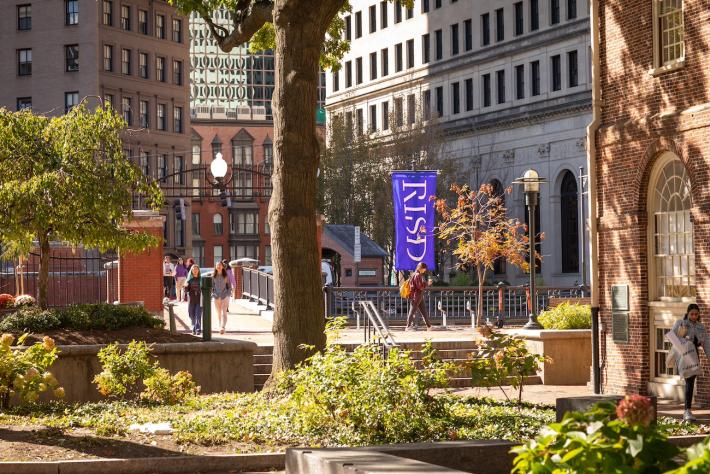
Possibly the most well-known fine arts university in the U.S., Rhode Island School of Design (RISD) offers 18 BA/BFA programs, including a dual degree with Brown, as well as an Experimental and Foundational Studies First-year Studio program. Programs include Ceramics, Architecture, Apparel Design, Digital Media, Animation, Painting, Illustration, and Metalsmithing. Alum Adam Krueger just started teaching a new Illustration course, Introduction to Tattooing, and RISD recently launched a new academic department– Computation, Technology, and Culture (CTC). Previously only a concentration (RISD’s version of a minor), the CTC department offers two new undergraduate majors: Art and Computation, and Sound. One of RISD’s unique resources is the Edna W. Lawrence Nature Lab, which provides unmediated access to authentic natural history specimens while fostering creative inquiry into biodesign, ecology, and the climate crisis. The student-faculty ratio is 8:1.
While tuition is higher, at $63, 966, their typical financial aid package is $32,572, supported by their $399 million endowment. 41% of first-year students are awarded financial aid, primarily in grants and scholarships. Given the stellar accomplishments of RISD alumni, who have earned Caldecotts, Oscars, Emmys, Guggenheim Fellowships, Palmes d’Or, and Pulitzers, the higher price tag is worth it. Alumni include MacArthur “Genius” award winner Julie Mehretu and new wave music pioneers the Talking Heads.
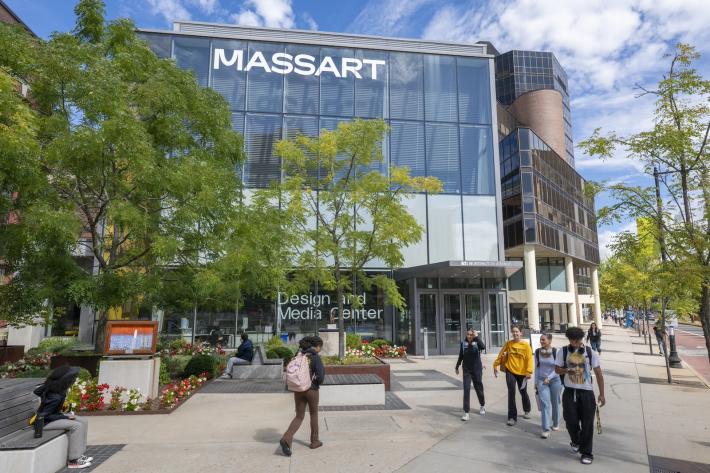
Located in Boston, the Massachusetts College of Art and Design (MassArt) offers 18 BFA programs, including Animation, Architecture, Illustration, Jewelry and Metalsmithing, and Painting. As the only independent public college of art and design in the country, MassArt provides accessible academic and creative opportunities for students through affordable arts education. Tuition ranges from $15,860 for MA residents, to $35,740 for New England residents, and $44,700 for out-of-state students. Beginning in 2026, New York residents will qualify for the New England Tuition rate. Mass Art’s endowment of $18.5 million helps support a number of grants and scholarships. About 90% of undergraduates received grants averaging at $6,239.00. 79% of new students were offered scholarships, averaging $5,813.00 per person. MassArt has also significantly increased merit-based awards.
The student-faculty ratio is 9:1, with a post-graduation employment rate of 92%. MassArt builds engagement with the broader Boston community with their Center for Art and Community Partnerships (CACP). Students frequently collaborate on real-world projects with Boston communities, tackling issues like housing, identity, or climate.
MassArt's teaching museum, the MassArt Art Museum (MAAM) is Boston’s only free contemporary art museum. A great mass transit system makes it easy for students to access even more local art museums and galleries, including the Boston Museum of Fine Arts, the Harvard Art Museum, and the legendary Isabella Stewart Gardner Museum.
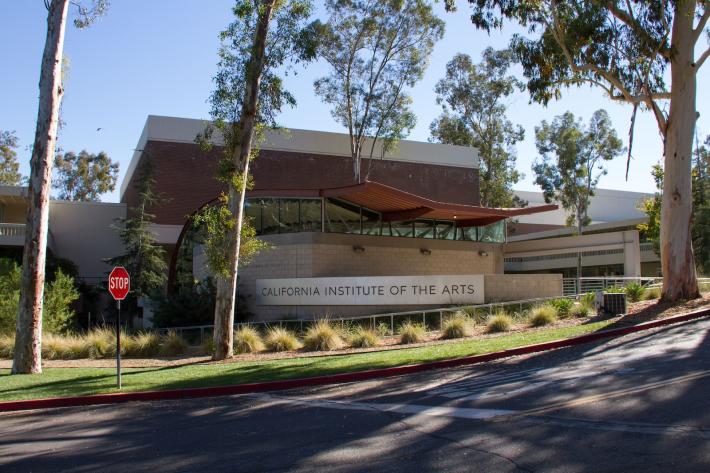
Widely recognized as one of the top art schools in the country, California Institute of the Arts (CalArts) began as a dream shared by Walt Disney and his brother Roy to build a multidisciplinary art community in 1961, modeled on the real life experience of working artists. Surrounded by the rolling hills, canyons, and picturesque trails of scenic Santa Clarita, California, CalArts first opened its doors in 1970 and offers over 70 degree programs in the visual, performing, media, and literary arts, including BFAs, MAs, MFAs and DMAs, with an excellent 8:1 student to faculty ratio.
Its connections to the film and animation industry makes CalArts a particularly good choice for aspiring animators, actors, and filmmakers. Alumni include performance artist and MacArthur “Genius” Fellow Guillermo Gómez-Peña, Animator and Director Glenn Keane–who worked on major Disney films, such as Moana– and Guggenheim Fellow Meg Cranston.
While tuition, at $60,650, is on the higher side, CalArts awards merit scholarships starting at $10,000 per year to the top 30% students, and 98% of first-year students qualify for financial aid, with the bulk of support coming from grants and scholarships. Graduates have an 86% employment rate.
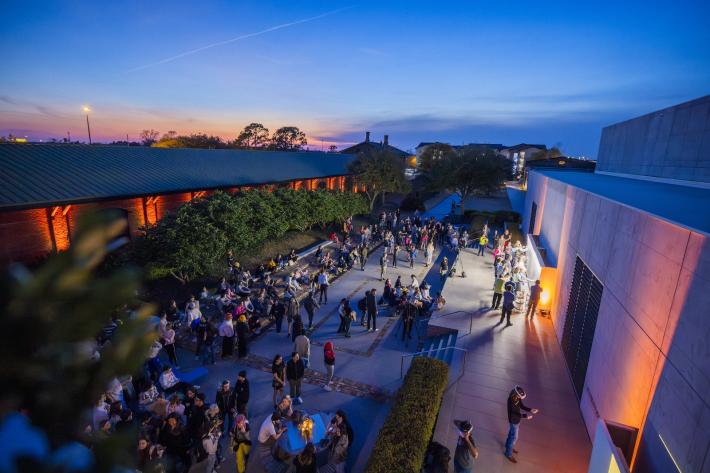
Considered one of the most comprehensive art and design universities in the U.S., Savannah College of Art and Design (SCAD)–our top choice last year–makes it to number one again. Founded in 1978 by President Paula Wallace, SCAD is a private, nonprofit, accredited university for creative careers.
SCAD offers a phenomenal range of classes, with over 100 fine arts degrees, including drawing, animation, art, history, preservation, design, sculpture, and sneaker design, with an additional 75 minors and certificate programs. SCAD’s highly competitive tuition, at $41,130 per year, and impressive post-graduation employment rate of 99% adds to its attractions. Its $459 million endowment supports its arts programs, with 98% of first-year students receiving financial aid. SCAD offers grants, merit scholarships, and loans, and has an acceptance rate of 82%.
Nestled in the historic and beautiful coastal city of Savannah, SCAD’s main campus features unique architecture, beach access, and is surrounded by a thriving artistic community. While its student to faculty ratio of 20:1 is much higher than our other choices, SCAD fosters its students' creativity and careers with real world connections and experience, including museum immersions, art festivals, and film fairs.
Megan D Robinson
Megan D Robinson writes for Art & Object and the Iowa Source.