
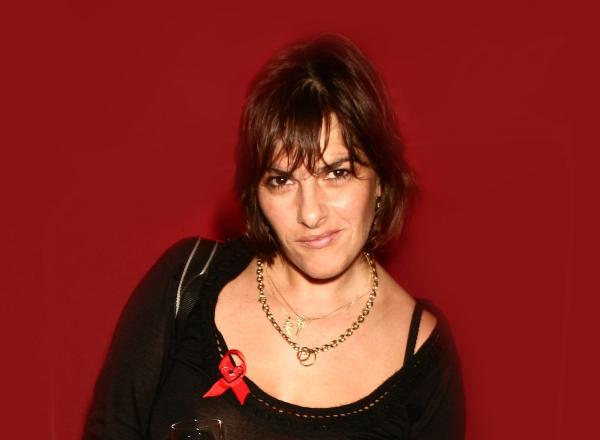
Tracey Emin Makes History as the First Woman Artist Appointed a Trustee of the British Museum
Art News

Paris’s Louvre Museum is looking for donations in its bid to acquire a still life of strawberries by French painter Jean Siméon Chardin, which was bought by the Kimbell Art Museum in Fort Worth, Texas at an Artcurial auction in March 2022 for a record-breaking €24.4 million ($26.8 million).

The much-awaited Grand Egyptian Museum has taken twenty years to build and an estimated $1 billion, and is finally coming to fruition, with an estimated opening date slated for spring 2024.

Not the most impressive at first glance, Joseph Nicéphore Niépce's photograph from the window at Le Gras, with its blurred shadow-shapes of trees and buildings, was integral to the development of modern photography.

See highlights from the Bonhams sale of the estate of journalist Barbara Walters.

For this year's Made in L.A., the Hammer Museum's sixth biennial, curators Diana Nawi and Pablo José Ramírez hope to spark a reparative conversation between community histories and collective isolation.

Just Stop Oil protestors attacked Diego Velázquez's famed Rokeby Venus painting at London's National Gallery in possibly the most damaging attack on art by the activist group thus far.
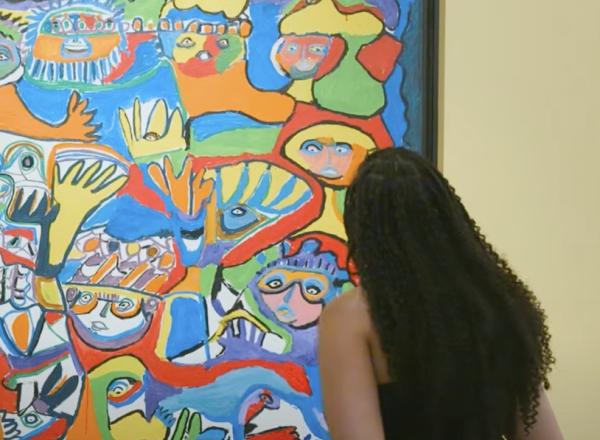
"In this film, Anne Barlow, Director, Tate St Ives, gives us a tour of The Casablanca Art School exhibition and introduces us to some of the school's key artists; Farid Belkahia, Mohammed Chabâa and Mohamed Melehi. See The Casablanca Art School exhibition at Tate St Ives 27 May 2023 – 14 January 2024" - Tate
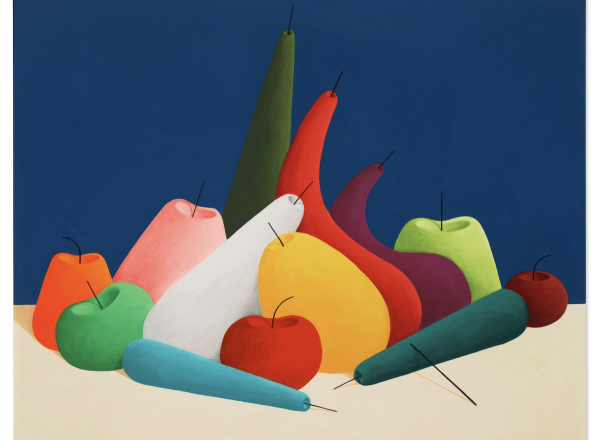
Here are 9 highlights from the New York fall sales at Christie’s, Sotheby’s and Phillips, which are among the most important secondary market art sales in America.
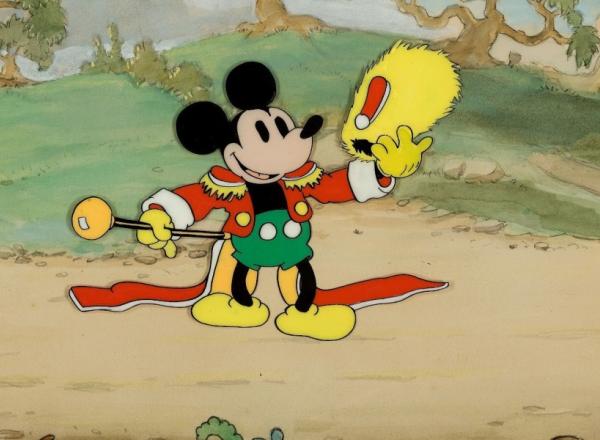
With Mickey Mouse's birthday being celebrated on November 18, we look back across the decades to see how his look has changed with the times.