

The artist invites us into her studio to give a glimpse of her life during quarantine, her creative process, and share her hopes for the future.
Art News
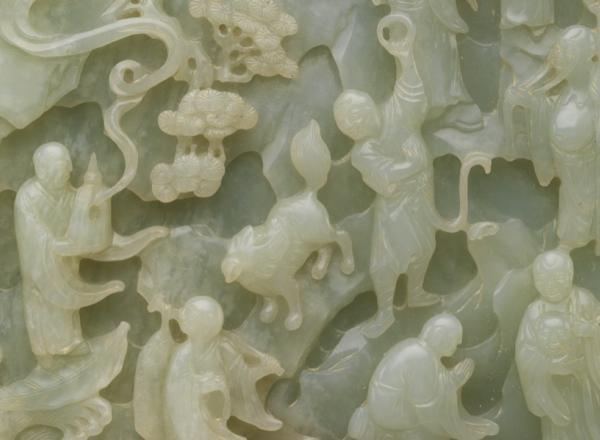
As a jewel or as a weapon, from China to Mexico, passing through India and New Zealand, jade has influenced the political, social, and economic life of many different cultures around the world.
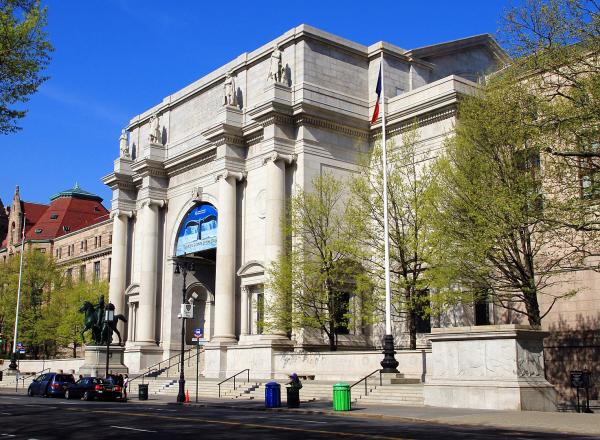
The American Museum of Natural History today announced that it has requested that the Theodore Roosevelt Equestrian Statue, which sits on New York City public park land in front of the Museum’s Central Park West entrance, be moved.
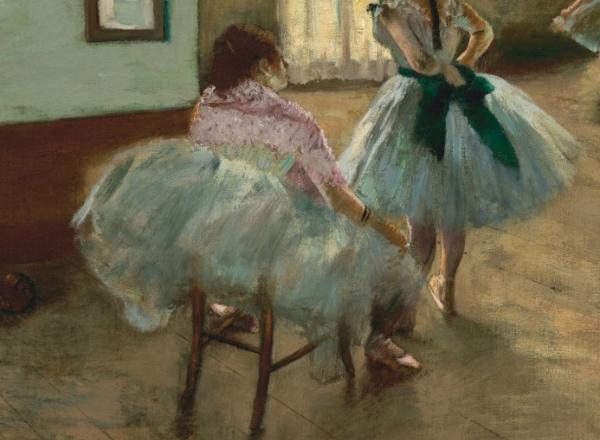
If the quarantine blues are still getting you down, access to art is a surefire cure. These four exhibitions you can explore from home bring an infusion of color that is sure to brighten your outlook.

On-site research was put on hold abruptly in March around the world. Many students conducting their work while on fellowship-funded research years had to return home, their research paused awkwardly, without any clear idea of when they could resume their progress.
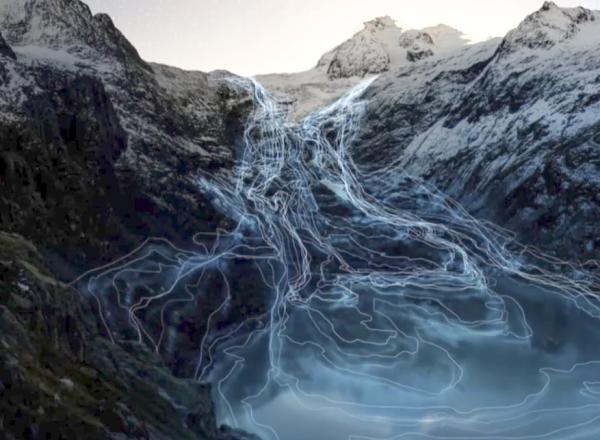
Watch a series of four online interactive artworks created in collaboration with five artists and the UNFCCC, interpreting scientific climate data.
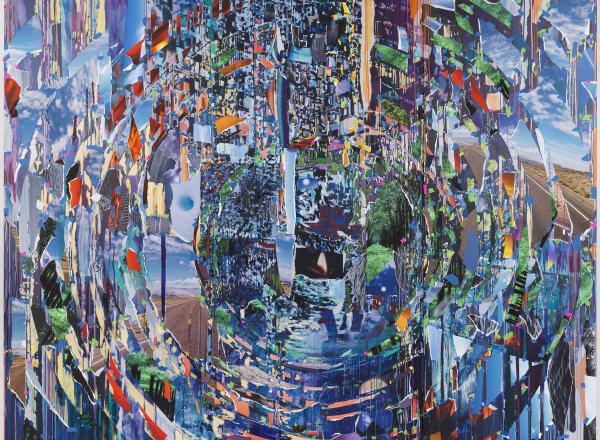
Having to wait a bit longer for New York, Chicago, and LA dealers to reopen, we turned our sights on European galleries mounting recently opened exhibitions of American artists.

A rare personal correspondence written by Post-Impressionist greats Vincent van Gogh and Paul Gauguin is shedding light on their friendship and lives.
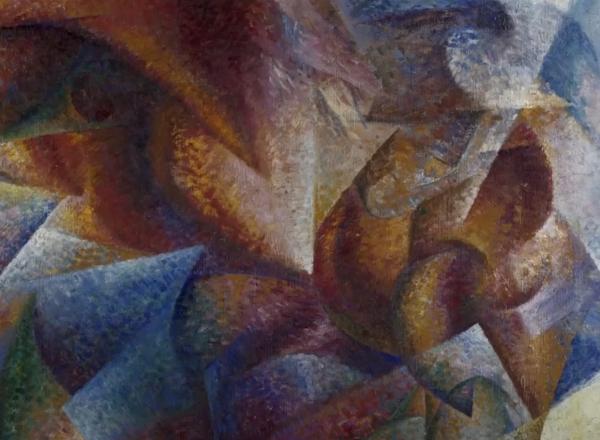
An introduction to Futurism, the dynamic movement that revolutionised Italian art at the beginning of the twentieth century. Obsessed with speed, the Futurists created art that captured the dawning of a new age. Also included is a closer look at Umberto Boccioni a founding member of the group, who died tragically young during the First World War. An extract from the Christie’s Education online course, Modern Art.

As peaceful and violent protests have taken over big and small cities, monuments and statues devoted to controversial historical figures have become a major site of conflict.