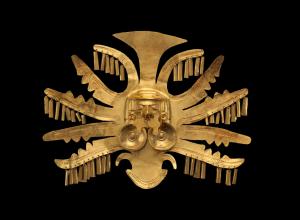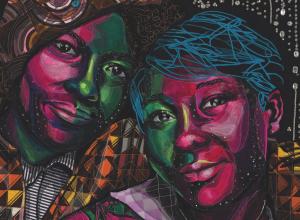
Here are 10 must-see artworks by Native American artists at the Seattle Art Museum.
Art News
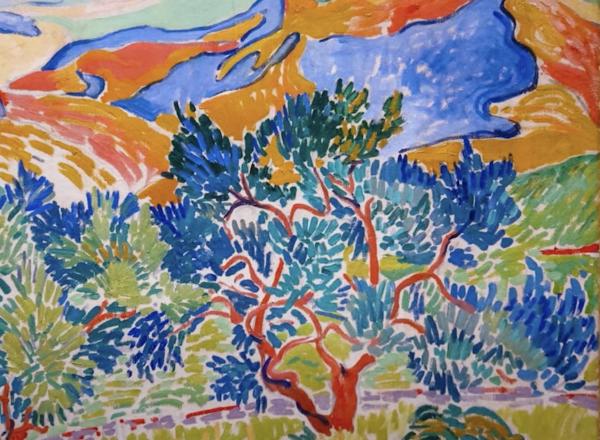
"Join Dita Amory, Robert Lehman Curator in Charge, and Ann Dumas, Consulting Curator of European Art at The Museum of Fine Arts, Houston, to virtually explore Vertigo of Color: Matisse, Derain, and the Origins of Fauvism. Over an intense nine weeks in the summer of 1905 in the modest fishing village of Collioure on the French Mediterranean, Henri Matisse and André Derain embarked on a partnership that led to a wholly new, radical artistic language later known as Fauvism.
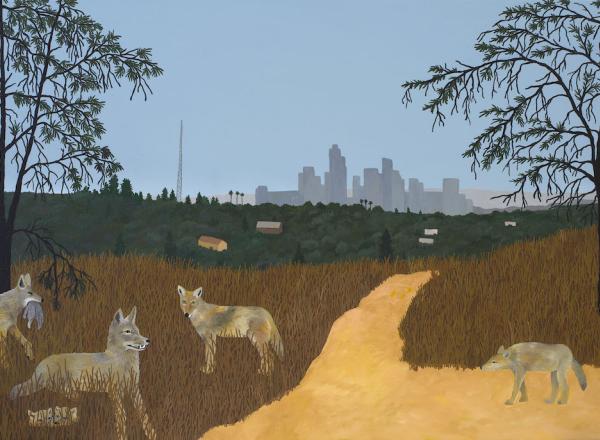
For this year's Made in L.A., the Hammer Museum's sixth biennial, curators Diana Nawi and Pablo José Ramírez hope to spark a reparative conversation between community histories and collective isolation.
"In this film, Anne Barlow, Director, Tate St Ives, gives us a tour of The Casablanca Art School exhibition and introduces us to some of the school's key artists; Farid Belkahia, Mohammed Chabâa and Mohamed Melehi. See The Casablanca Art School exhibition at Tate St Ives 27 May 2023 – 14 January 2024" - Tate
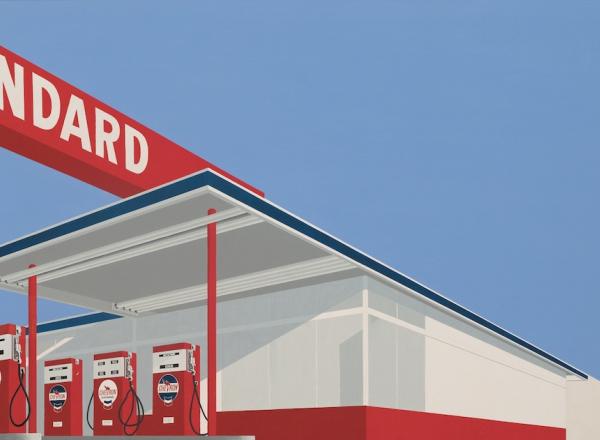
Judging by its nicknames (Tinseltown, La-La, City of Angels) Los Angeles nestles in the collective imagination as a place that's not quite there: Not surreal, like, say, Las Vegas, but irreal, a mirage consistent with its true nature as a desert basin populated by freeways, movie studios, and glitzy neighborhoods sprawling through arroyos and canyons. Then, of course, there’s the evanescing quality of L.A.’s light, which seems to suspend everything within it like motes in a projector beam.
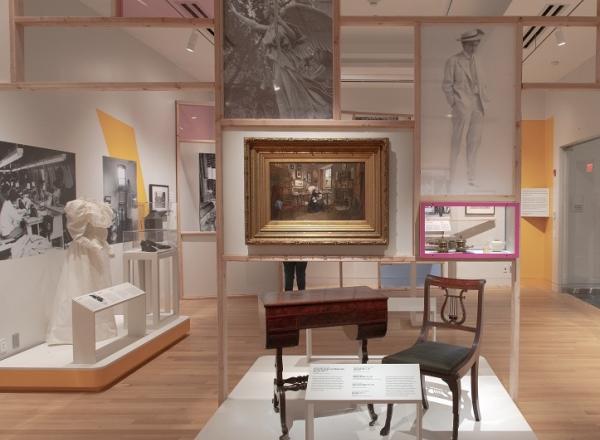
Here are five objects from The New-York Historical Society's exhibition “Women’s Work" that illustrate the evolution of women's work in American culture.
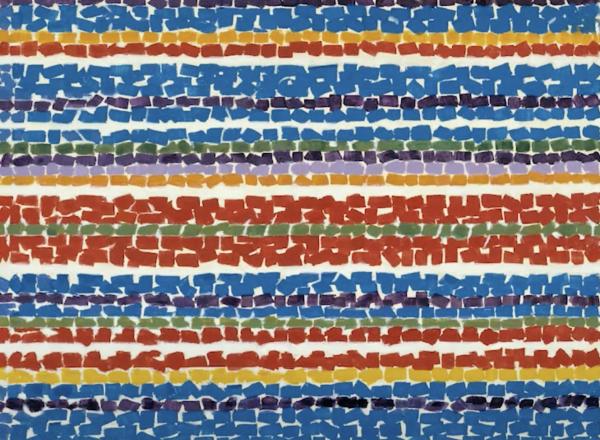
Composing Color: Paintings by Alma Thomas" explores the life of this groundbreaking artist and educator. On view at the Smithsonian American Art Museum from September 15, 2023 – June 2, 2024, the exhibition highlights her distinct abstract style, which creates a dazzling interplay of pattern and vibrant color.
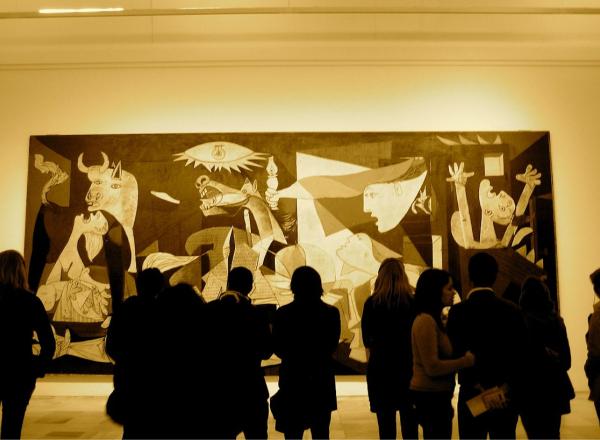
While photo restrictions have been lifted on Pablo Picasso's famed Guernica at the Reina Sofia Museum, this permission may stifle quiet contemplation.
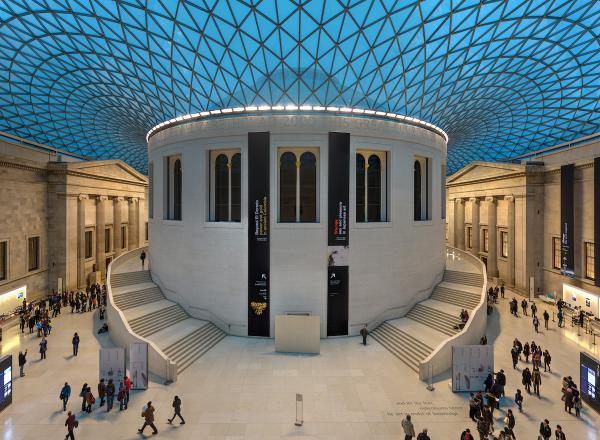
The British Museum has announced that Mark Jones, a former director of the Victoria and Albert Museum, in London, would be its interim director. The announcement, which was made via news release over the weekend, comes on the heels of the recent crisis in August when the museum revealed that over 1,500 artifacts had been stolen from its storerooms.

Ilana Savdie: Radical Contractions, an exhibition at the Whitney Museum of American Art, showcases new large-scale paintings and works on paper that integrate a mixture of art history, folklore, human anatomy, microbiology, horror, and pop culture to create abstract artworks that speak to the cultural and political oppression and ensuing resistance that we find ourselves grappling with today in America.