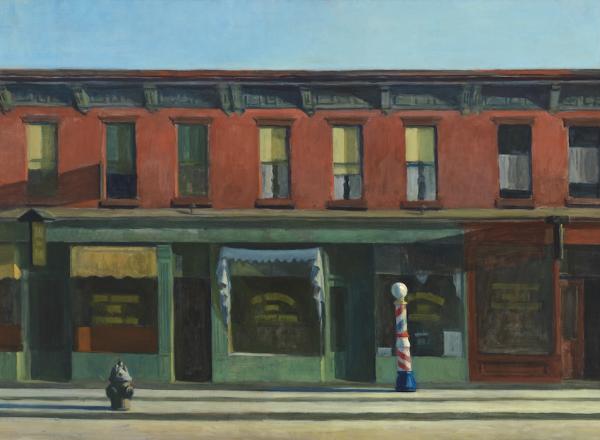
New York City has often served as the canvas on which American dreams are painted, so it’s fitting that Edward Hopper (1882–1967), an acute observer of strangers lost in one reverie or the next, made Gotham his home and ongoing subject.
Art News
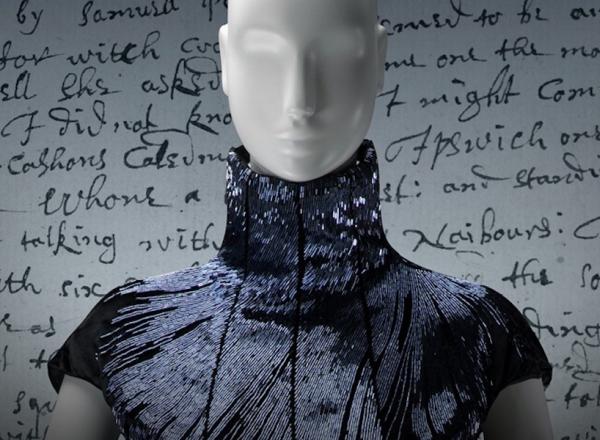
Three hundred years after the Salem Witch Trials, we are still reckoning and learning from this period of American intolerance and injustice. The trials of 1692-1693 led to the deaths of twenty-five innocent people, most of whom were women.
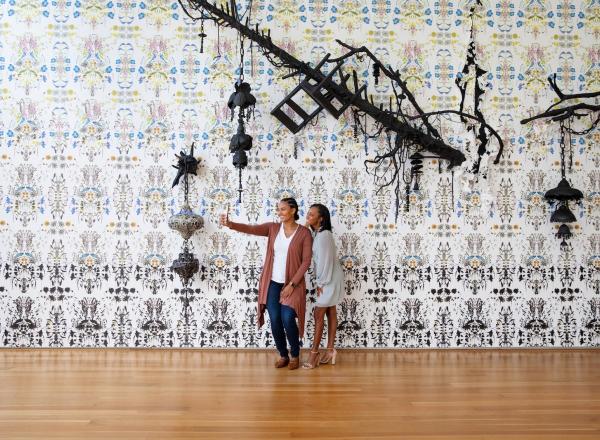
The North Carolina Museum of Art began its “collection of art for the people” in 1928 when the then North Carolina State Art Society received a bequest of approximately 75 paintings from Robert F. Phifer.

Eight years in the making, this sprawling show of some 350 photographs, videos, and multimedia installations is filled with factual content and ambiguity.
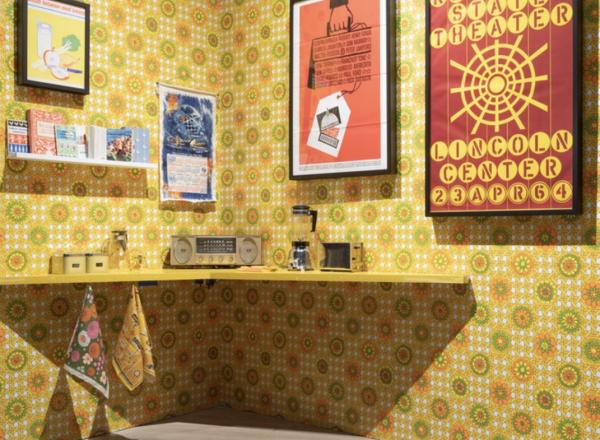
“New York: 1962-1964” is a celebration of the institution hosting it. The Jewish Museum has been a venerable fixture in New York’s cultural firmament for what seems like forever, but six decades ago, under the directorship of Alan Solomon, it was the premier incubator for cutting-edge art when NYC was its undisputed center.
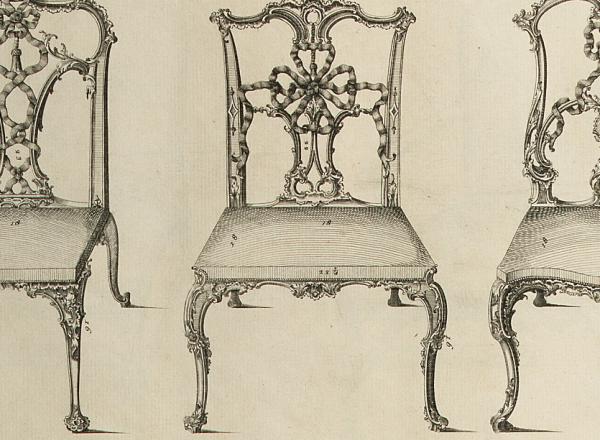
The curators set a welcome stage for the visitor to the Center. Greeting them at the entrance is Martin Sharp’s Blowing in the Mind/Mister Tambourine Man (1968). Sharp is known as the mastermind behind posters and album covers for some of the biggest names in ’60s rock and roll history.
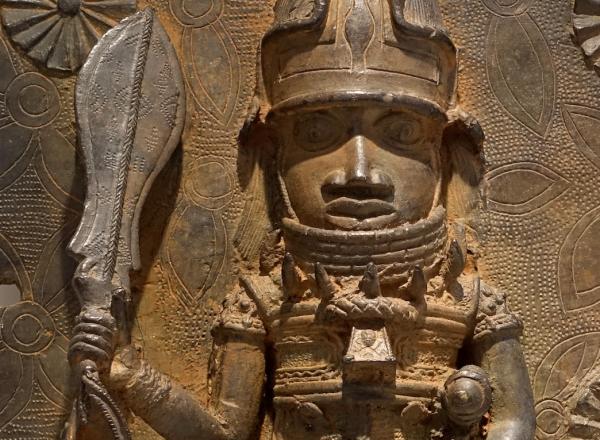
The Benin Bronzes of Nigeria, their provenance, and the possibility of restitution have been making headlines of late. Currently scattered across the world, this collection of a thousand plus statues and plaques was stolen in 1897 from the African Kingdom of Benin, modern-day Nigeria, by British troops.
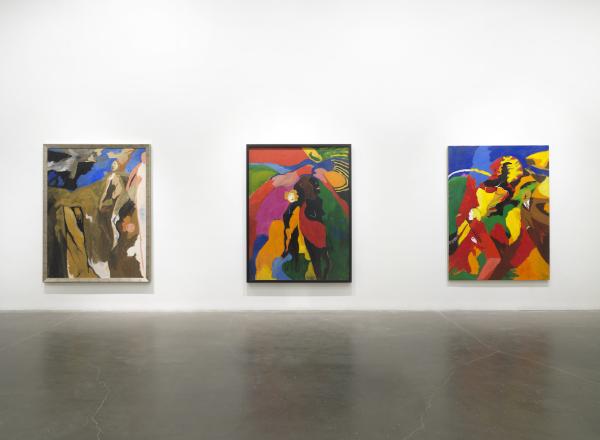
Fresh off its survey of Faith Ringgold, the New Museum presents a retrospective of another veteran African American painter whose aesthetic DNA courses through subsequent generations of black artists. “Art and Race Matters: The Career of Robert Colescott” is the artist’s first museum outing since 1989.
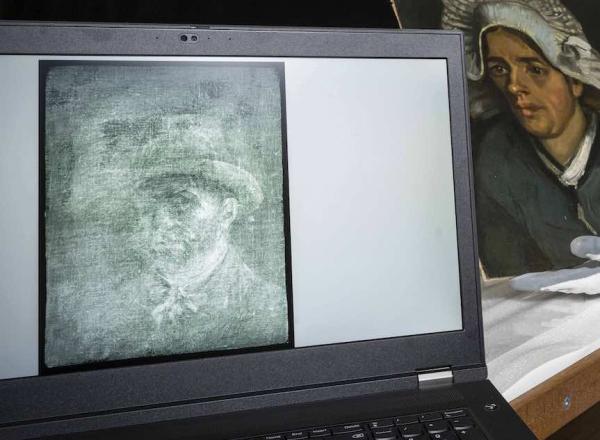
A new self-portrait from Vincent Van Gogh has recently been detected, hidden under layers of glue and cardboard, by the National Galleries of Scotland (NGS). Officials are confident, though not certain, that the painting is a hitherto unknown work of art.
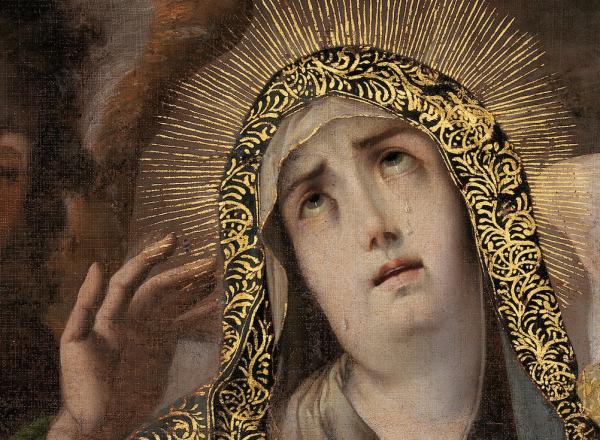
The recent publication Archive of the World: Art and Imagination in Spanish America, 1500–1800, a companion catalogue for a show of the same name and the first comprehensive study of LACMA's notable holdings of Spanish American art, is a remarkable and important piece of work.