

At Large  January 21, 2026  Annah Otis

Why US Museums Are Bracing for More Restitution Claims

WikiCommons

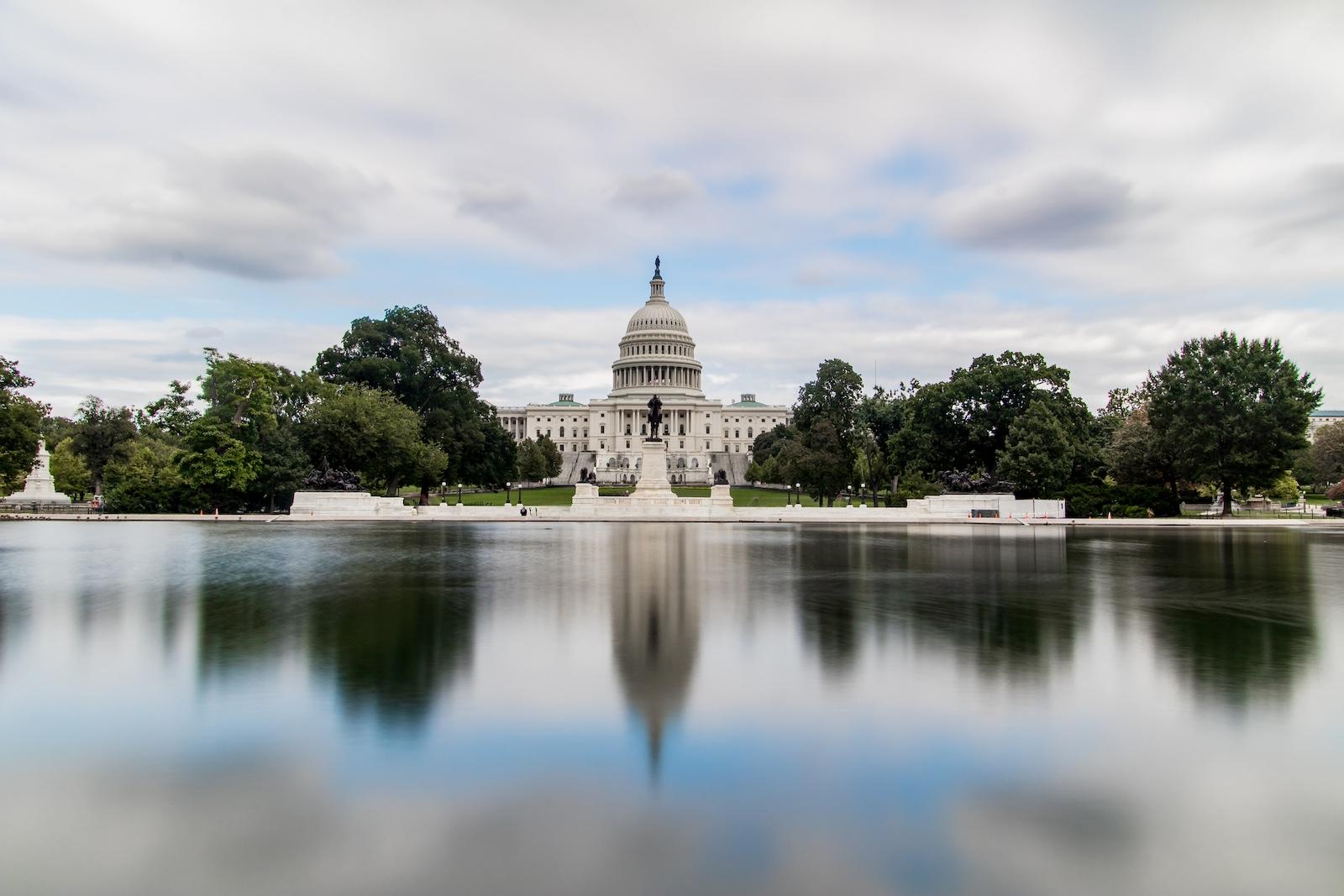
United States Capitol and reflecting pool. License.

Before ringing in 2026, the US Senate unanimously approved the Holocaust Expropriated Art Recovery (HEAR) Act of 2025, which extends and expands the original 2016 legislation allowing claims for the recovery of cultural property as a result of Nazi looting during World War II. The amended law aims to remove procedural hurdles that have allowed some courts to dismiss lawsuits based on technical defenses rather than the merits of the claims themselves. As a result, many museums are bracing for what could become a wave of restitution claims for wrongfully stolen artwork.

The updated HEAR Act specifically targets time-barred defenses that cultural institutions have successfully used to argue that too many decades have passed for claimants to pursue their cases effectively. This new legislation clarifies that claims for artwork or property lost because of Nazi persecution can proceed regardless of how much time has elapsed since World War II. Bad news indeed for museums that have previously relied on murky World War II provenance records.

WikiCommons

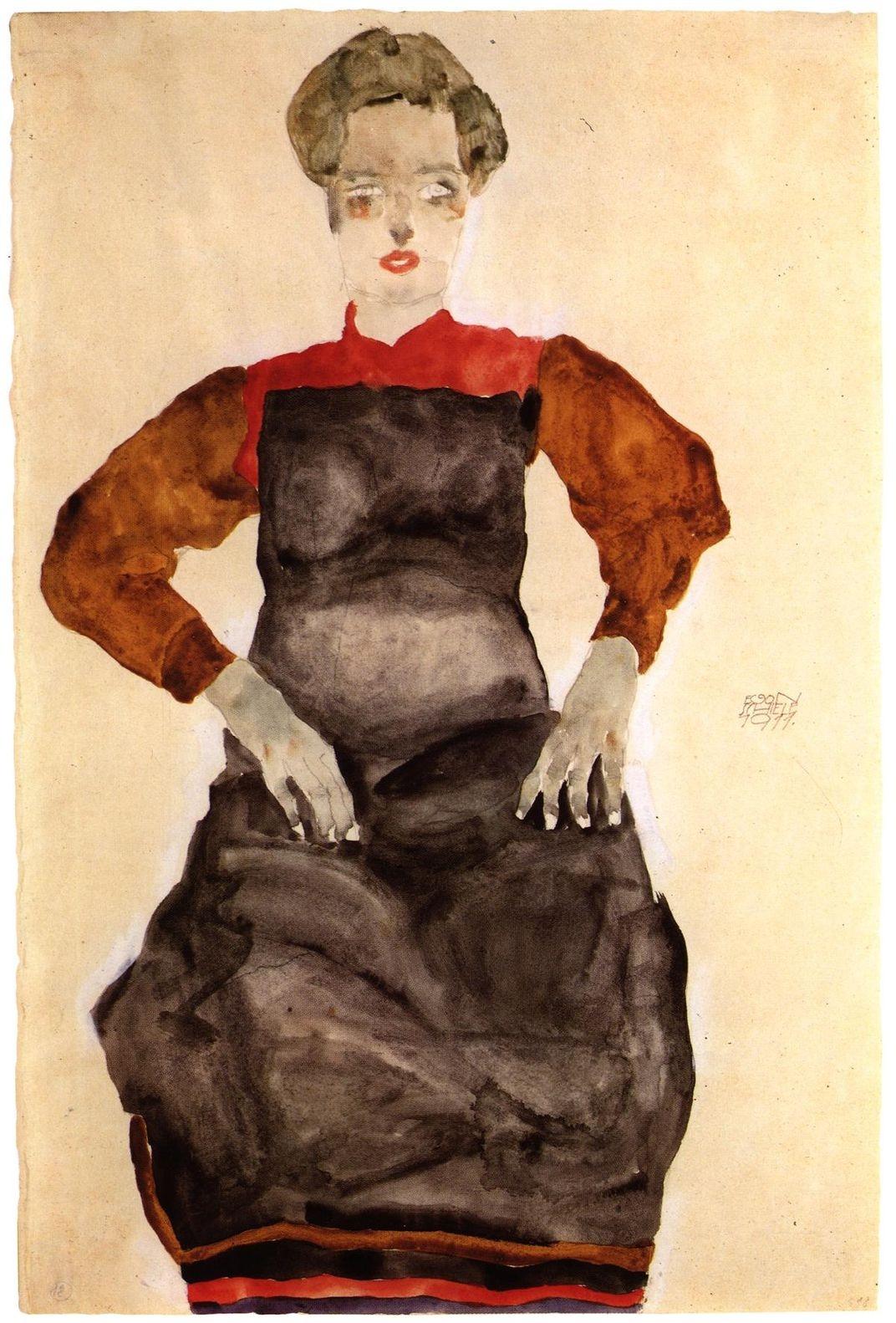
Egon Schiele, Woman in a Black Pinafore, 1911. License.

One of the original HEAR Act’s more prominent success stories was the recovery of two drawings by Egon Schiele to the family of an Austrian Jewish cabaret performer who died in 1941 at the Dachau concentration camp. The New York State Supreme Court’s 2018 ruling restored Woman in a Black Pinafore and Woman Hiding Her Face to his heirs. Both drawings were in the possession of a London art dealer who purchased them several years earlier from a gallery in Switzerland.

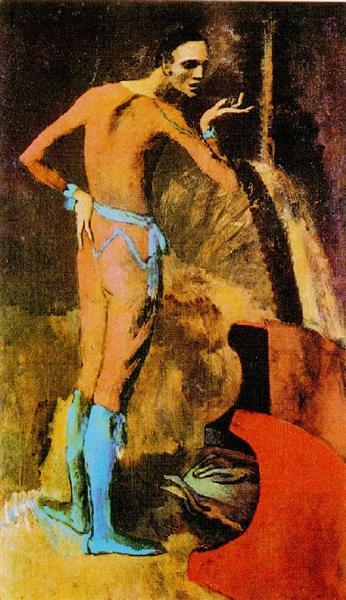
Less successful was a bid to return Pablo Picasso’s The Actor to the great-grandniece of a German Jewish businessman who sold it under duress after fleeing the Nazis to Italy. While a lower court ruled that heirs failed to prove duress, the appeals court upheld the dismissal on different grounds, citing unreasonable delay in filing the lawsuit since the painting had been in the Metropolitan Museum of Art’s possession since 1952. Amendments to the HEAR Act make that argument invalid if used in courts today.
WikiCommons

Pablo Picasso, The Actor, 1904-5. License.

It is no surprise that museums have been reluctant to support the updated bill. The Association of American Museum Directors spent $8,000 lobbying elected representatives on the issue, and the Met hired lobbyists to meet with lawmakers over concerns. Particularly in the case of smaller institutions, limited resources for responding to claims may soon have to be stretched even further.

The timing of this legislation coincides with increased efforts to document Nazi-looted art. In 2025, the World Jewish Restitution Organization funded work to digitize 2,500 pages of microfilm from a Nazi commissioner’s files on Jewish art assets. Other organizations and individuals also continue to uncover looted works, such as in the case of journalists at a Dutch newspaper who found Giuseppe Ghisand’s Portrait of a Lady while browsing an online real estate listing in Argentina. The painting had been stolen from a Dutch Jewish art dealer and was hanging in the living room of a high-ranking Nazi official’s daughter.

More than 80 years after the fact, artwork is beginning to find its way back into the hands of families torn apart by the Holocaust. All eyes will be on court proceedings as claims begin to filter in.

About the Author

Subscribe to our free e-letter!

Webform
Art and Object Marketplace - A Curated Art Marketplace