
Museum  March 4, 2026  Annah Otis

The Louvre Reckons with Fraud, Floods, and Failing Infrastructure

WikiCommons

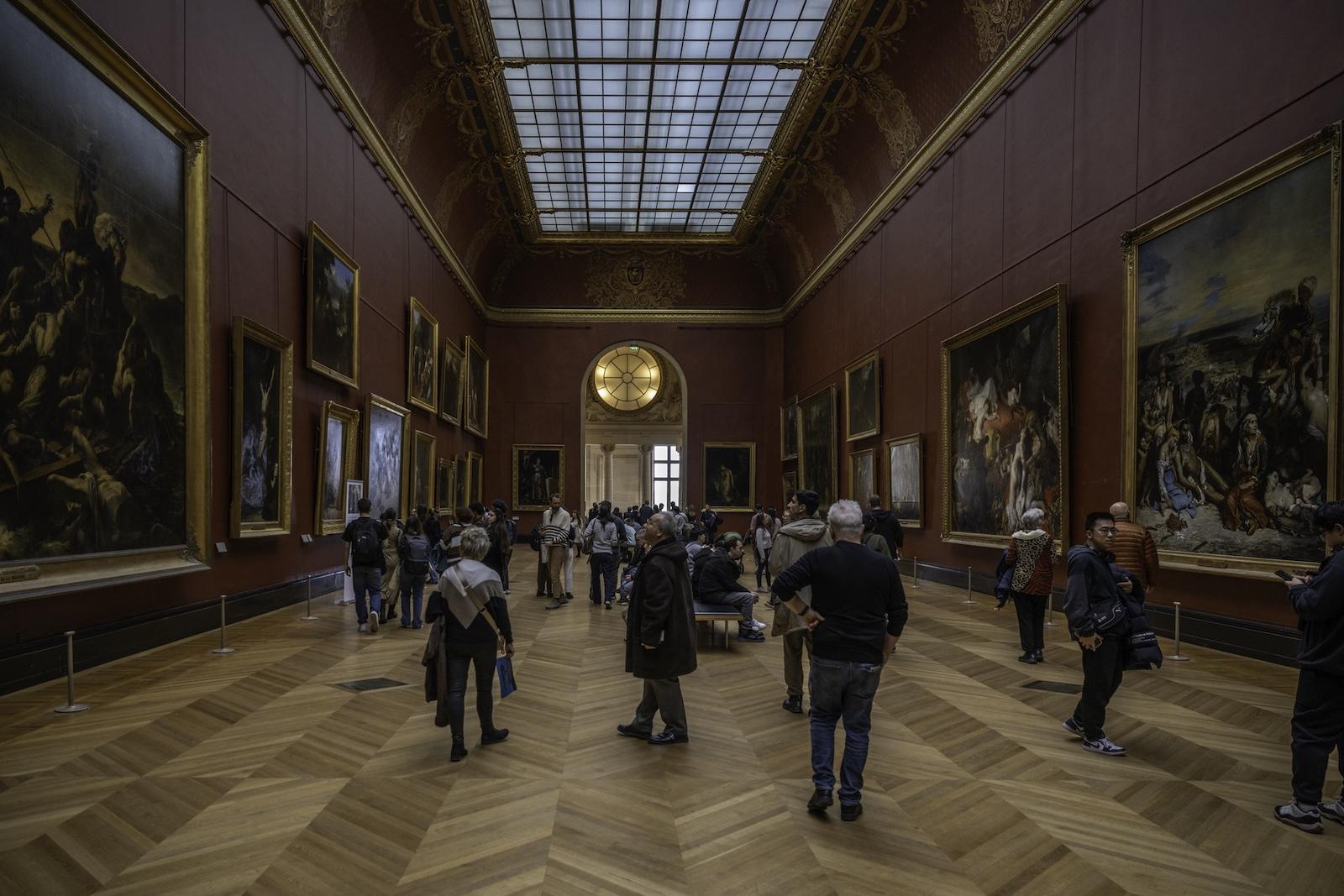
Visitors in the Louvre Museum. License.

The Louvre has weathered both revolutions and occupations over the centuries. Yet, the past few months have exposed a different kind of vulnerability in its leaking pipes, aging cameras, and institutional drift. The world’s most-visited museum is struggling to find steady footing in the wake of a series of mishaps and misdemeanors.

Cracks in the Louvre’s foundation first became more visible last October when thieves forced their way into Apollo Gallery and escaped in under eight minutes with jewels valued at approximately $104 million. These included a diamond and emerald necklace Napoleon gave Empress Marie-Louise, jewels once belonging to two queens, and Empress Eugénie’s tiara. Four arrests have since been made, but the jewels remain missing. Days after the robbery, then-Director Laurence des Cars publicly acknowledged that security camera coverage around the museum’s perimeter was weak and aging.

WikiCommons

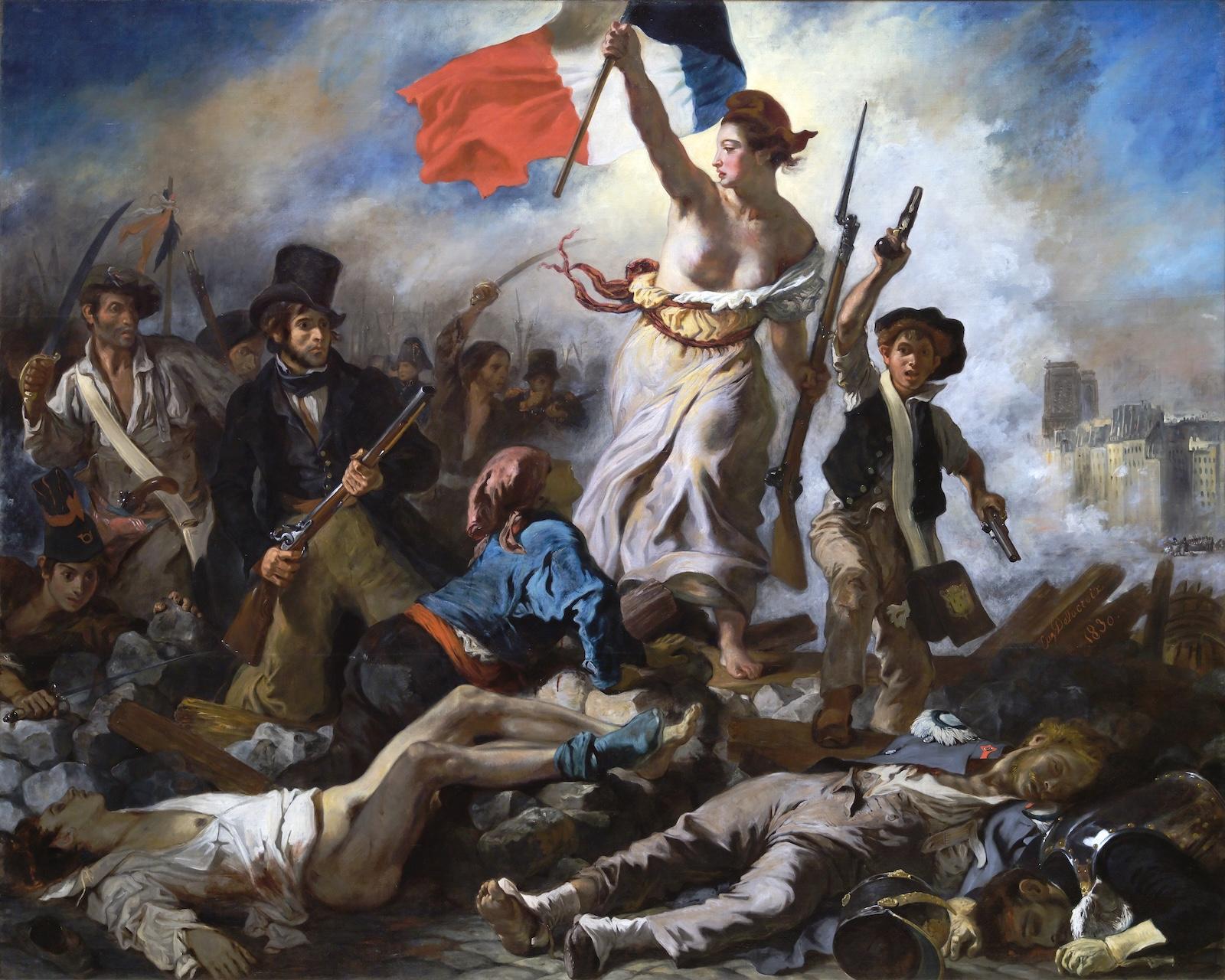
Eugène Delacroix, Liberty Leading the People, 1830. Louvre Museum. License.

Then, in December, a pipe burst in one of the Egyptian antiquities departments and damaged more than 300 works. Most were archaeology journals from the late 19th century primarily consulted by researchers and students, but staff still spent weeks dehumidifying the journals page by page. Trade unions were also quick to point out that it was the second major water incident in two years. Weakened structural beams also closed a gallery in late November.

As it became clear that the Louvre was crumbling around them, museum employees began striking in December through January. Unions have been pressing for better pay, more recruitment, and improved maintenance in a direct response to the institution’s deteriorating conditions. Nearly 140 new hires were made after the strikes began as a result. Even so, the closures cost the Louvre at least one million euros in lost revenue.

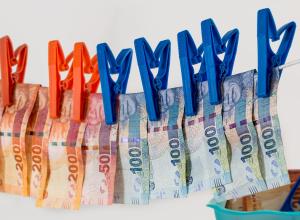
All of this turmoil is compounded by revelations of a decade-long fraud scheme involving the systemic reuse of tickets. Two Chinese tour guides are suspected of bringing groups into the museum by recycling admission tickets and splitting parties to avoid paying the required guide-speaking fee, while paying off Louvre staff to look the other way. The scheme generated an estimated $11.8 million in fraudulent revenue over ten years. A formal judicial investigation was opened last June on charges including organized fraud, money laundering, and corruption.
WikiCommons

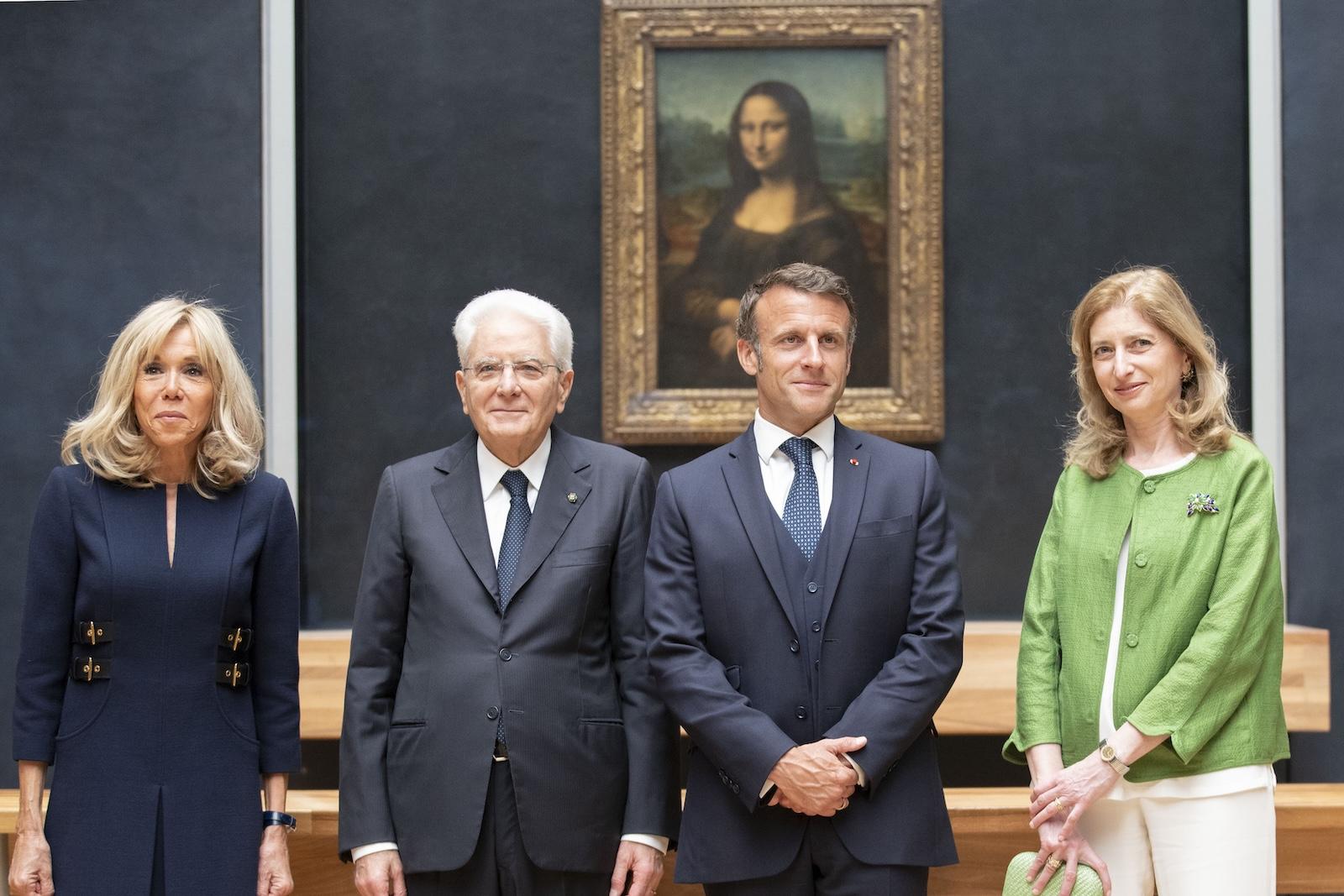
French President Emmanuel Macron in front of the Mona Lisa. WikiCommons.

Des Cars has since submitted her resignation to President Emmanuel Macron and will be succeeded by Palace of Versailles leader Christophe Leribault. The leadership transition comes at a precarious time for a much larger project championed by Macron as part of his legacy. He and des Cars proposed a $1 billion-plus renovation of the Louvre that would include moving the Mona Lisa to a new gallery and constructing a dedicated entrance. However, more pressing and obvious updates needed within the museum have drawn criticism to the plan. One alternative proposal is to use revenue from the Louvre Abu Dhabi licensing agreement to fund repairs to the museum’s corroded pipes, weak beams, and lacking security.

The Louvre has survived for centuries through any number of challenges. In the coming months, leadership will need to reckon with the scale of what has gone wrong during the past year and use it as a turning point.

About the Author

Subscribe to our free e-letter!

Webform
Art and Object Marketplace - A Curated Art Marketplace