


At Large  December 31, 2025  Annah Otis

Why Co-Habitation May Be Key to Brick-and-Mortar Gallery Survival

WikiCommons

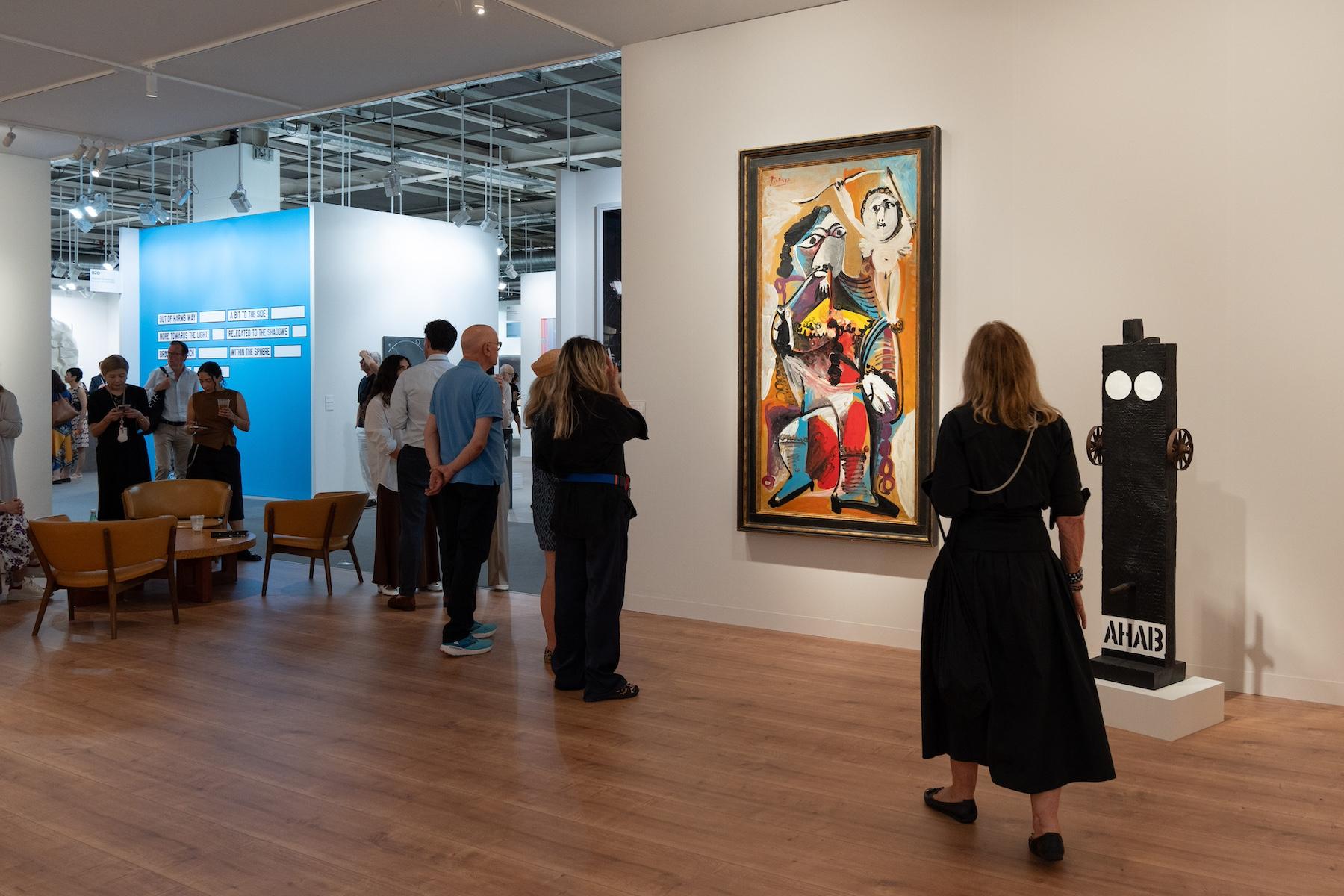
Pace Gallery at Art Basel in 2025. License.

The last few months have seen a flurry of gallery space relocations and consolidations as owners seek more affordable locations to reduce overhead. Rising commercial rents, stiff competition from online platforms, and pressure to support artists have weighed heavily on the art market during recent years. Even long-established dealers are now experimenting with shared or co-habitation models to adapt to a new economic reality.

New York City galleries have been hit particularly hard as retail availability rates fell to their lowest since 2014 in the second half of 2025. Skyrocketing rent further complicates matters. JDJ, Deanna Evans Projects, and Chozick Family Gallery began sharing one physical gallery in Tribeca this fall. Proxyco and Instituto de Vision co-operate a location on the Lower East Side with distinct exhibition areas but joint operations and programming. Candice Madey, Marinaro, and Metropolis Ensemble announced that they would start sharing space in September with alternating gallery exhibitions

WikiCommons

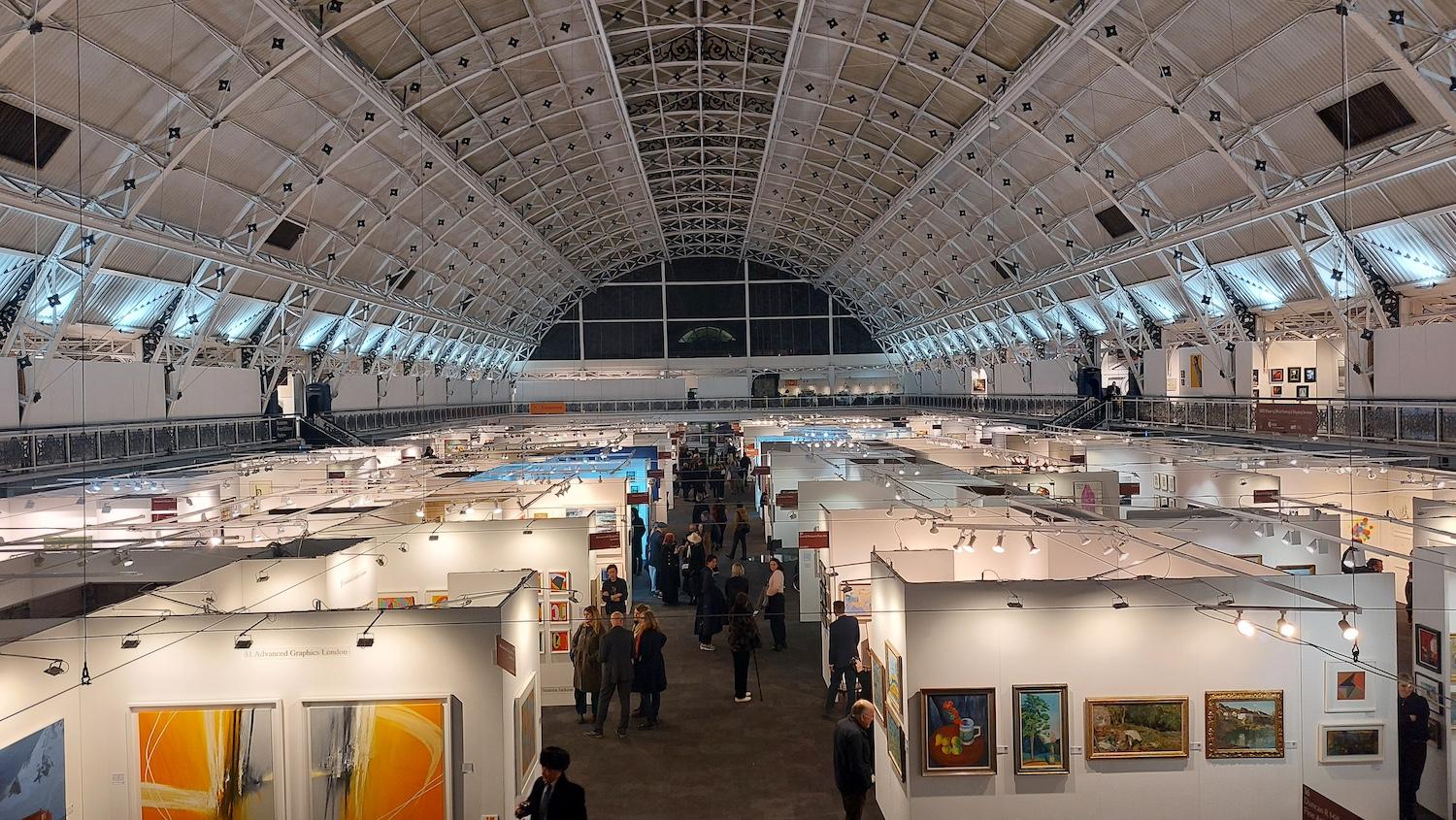
2025 London Art Fair. License.

Beyond New York, international galleries are likewise experimenting with pooling resources. Pace Gallery and Galerie Judin opened a shared exhibition space in Berlin last April. Mexican gallery OMR and Puerto Rican dealer Agustina Ferreyra launched a collaboration during Art Week in Mexico City. Ferreyra was already sharing space with the Los Angeles-based gallery Common Wealth and Council.

Almost a dozen local dealers in Warsaw recently hosted counterparts from Basel, Berlin, London, Shanghai, and others for a gallery-sharing event called Constellations. Though temporary, it demonstrates how physical areas can help build global relationships and business opportunities. Art fairs have come to a similar conclusion. Some, including Art Basel, now offer shared booths that allow emerging or financially conscious galleries to split expenses.


WikiCommons

Art Basel 2025. License.

This shift towards collaborative space is a response to economic, cultural, and logistical pressures. Rent and operating costs have become prohibitively high in urban hubs where galleries have historically maintained a brick-and-mortar presence. Smaller dealers and those working to amplify diverse voices often find themselves leaning on partners to reach audiences they could not alone.

The rise of online marketplaces likewise means that selling art from physical spaces has become less common as access is broadened to non-local collectors. By sharing spaces, galleries can offer the analog experience that traditional buyers are still looking for, while participating in digital experiences that may appeal to younger generations or those living outside major commercial hubs.

About the Author

Subscribe to our free e-letter!

Webform
Art and Object Marketplace - A Curated Art Marketplace