




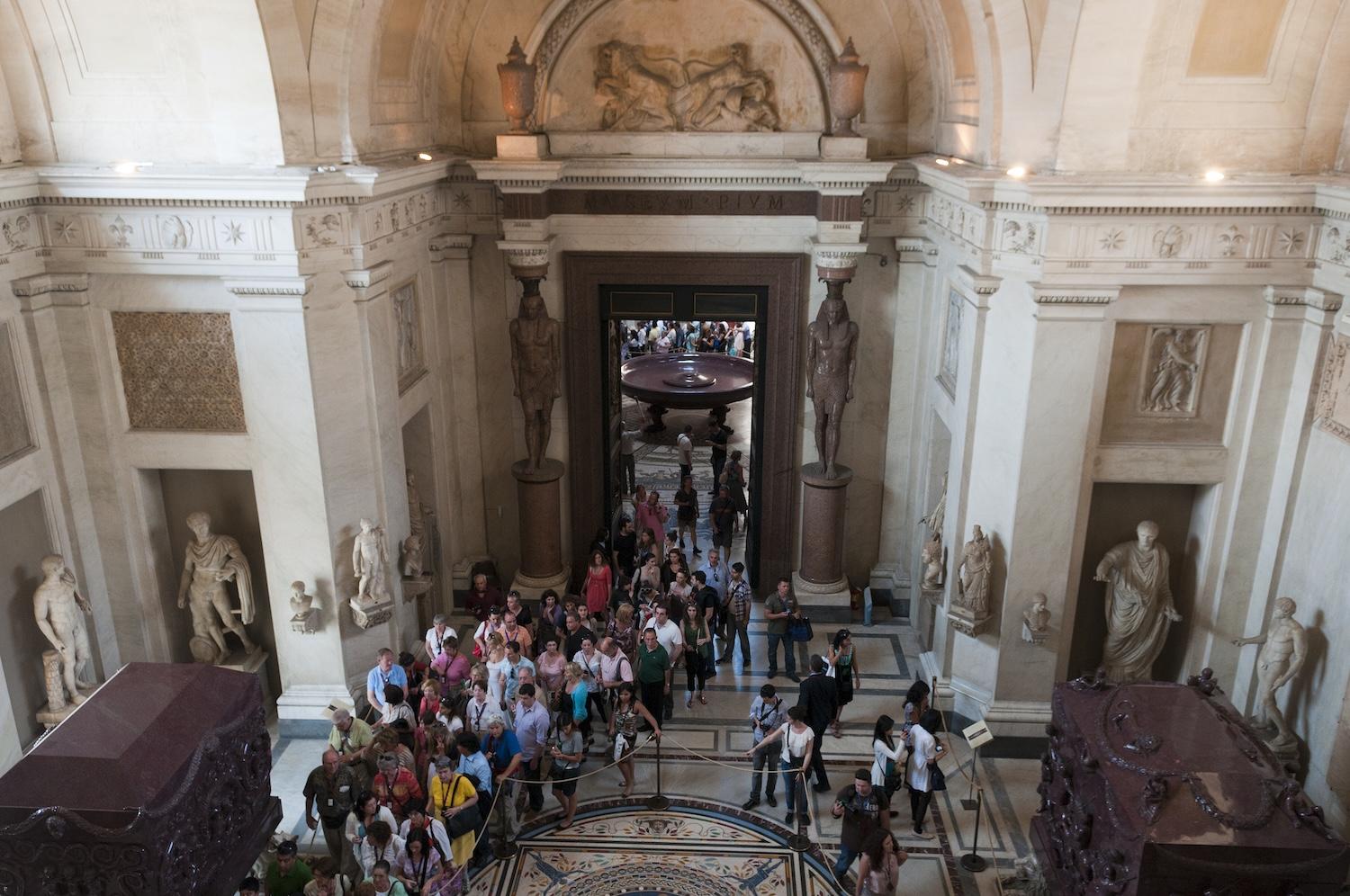

Many French institutions recently moved in the opposite direction. Starting in January 2026, the Louvre raised admission for non-European Union visitors from €22 to €32—a 45% jump that is expected to add €200 million in additional annual revenue. The extra income is set to be used for the museum’s “Nouvelle Renaissance” modernization project, which includes plans to create a dedicated room for Mona Lisa. Louvre workers have argued that the change undermines the museum's mission and does not address the overcrowding or deteriorating workplace conditions they have been striking over.
Japan is following suit with plans to introduce dual pricing at 12 national museums by March 2031. The added revenue will be used to improve the visitor experience with more multilingual exhibits and educational materials. However, officials have acknowledged that the plan will require new staff and systems to separate residents from non-residents at entrances, eating into whatever the surcharge brings in. An increasingly popular tourist destination, Japan welcomed a record 42.7 million foreign travelers in 2025 and hopes to reach 60 million by 2030.
By contrast, international travel to the United States fell 5.5% in 2025, with 46% of travelers stating that the current administration’s policies have deterred them from visiting. An executive order to increase the cost of visiting National Parks for foreigners took effect on January 1 and raised the price of an annual pass to $250. What was pitched as a $90 million-a-year plan has drawn in only $22.5 million thus far, while Democrats in the Senate argued that the fees skipped legally required public comment.






















.jpg)

.jpg)