
Now, author/journalist Joan Martelli has arrived on the scene with a new myth-busting biography, The Widow Van Gogh. Martelli reframes van Gogh’s story through the life and letters of Johanna "Jo" van Gogh-Bonger, his sister-in-law. Following the death of her husband Theo, six months after Vincent, Jo found herself with an extraordinary inheritance that included a trove of van Gogh’s drawings, letters, and some 400 paintings. Martelli reveals how Jo managed that awe-inspiring legacy in an interview with Art & Object from her vacation home in France prior to the book’s publication.
Vincent van Gogh (1853-1890) is undeniably one of the most beloved and well-documented artists of our time. He was a prolific letter writer, and those letters, particularly those written to his brother Theo, have been published, forming the backbone of what scholars think they know about Vincent. The story of van Gogh has reached mythic proportions fueled by numerous “immersive” art experiences and dozens of films, including the Hollywood classic Lust for Life (1956), acclaimed dramas like Vincent & Theo (1990), and innovative projects like the animation Loving Vincent (2017).
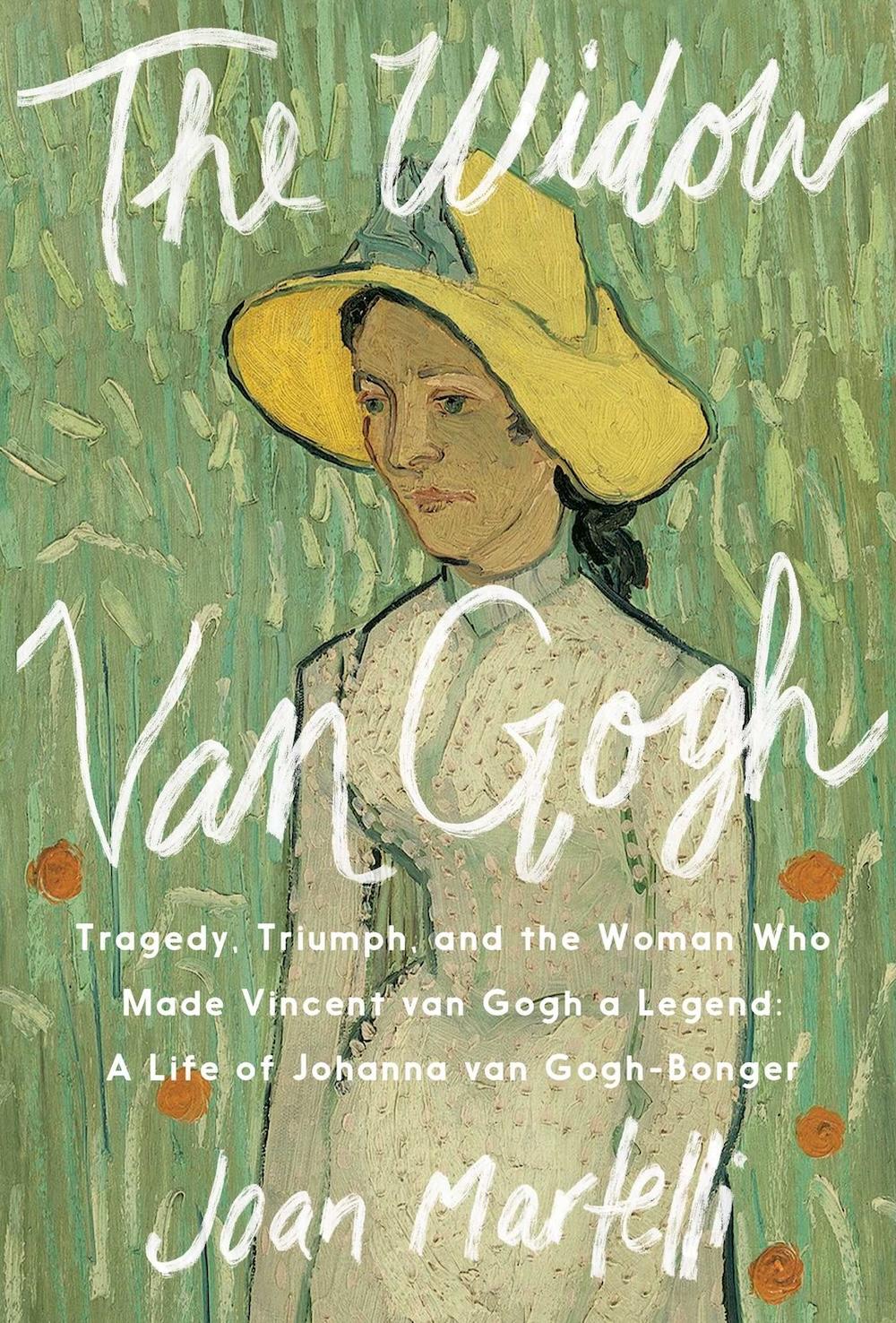
Courtesy of Simon & Schuster
Cover of The Widow Van Gogh by Joan Martelli. Published by Simon & Schuster.
Cynthia Close: Your first book, The Law of Storms, was not about art. What led you to Jo van Gogh-Bonger?
Joan Martelli: After The Law of Storms, I was hooked on the idea of writing a second book if I could find the right subject: a great story, compelling characters, and a wealth of primary sources to draw from. I was living in Amsterdam and heard a report on Dutch radio about a woman I had never heard of, Jo van Gogh-Bonger, whose diaries had recently been published by the Van Gogh Museum. I started digging in. The diaries were remarkable and raw. There was something about her candidness, her insecurity, her longing to do something meaningful that was so relatable, especially knowing what she was able to accomplish.
Courtesy of Simon & Schuster
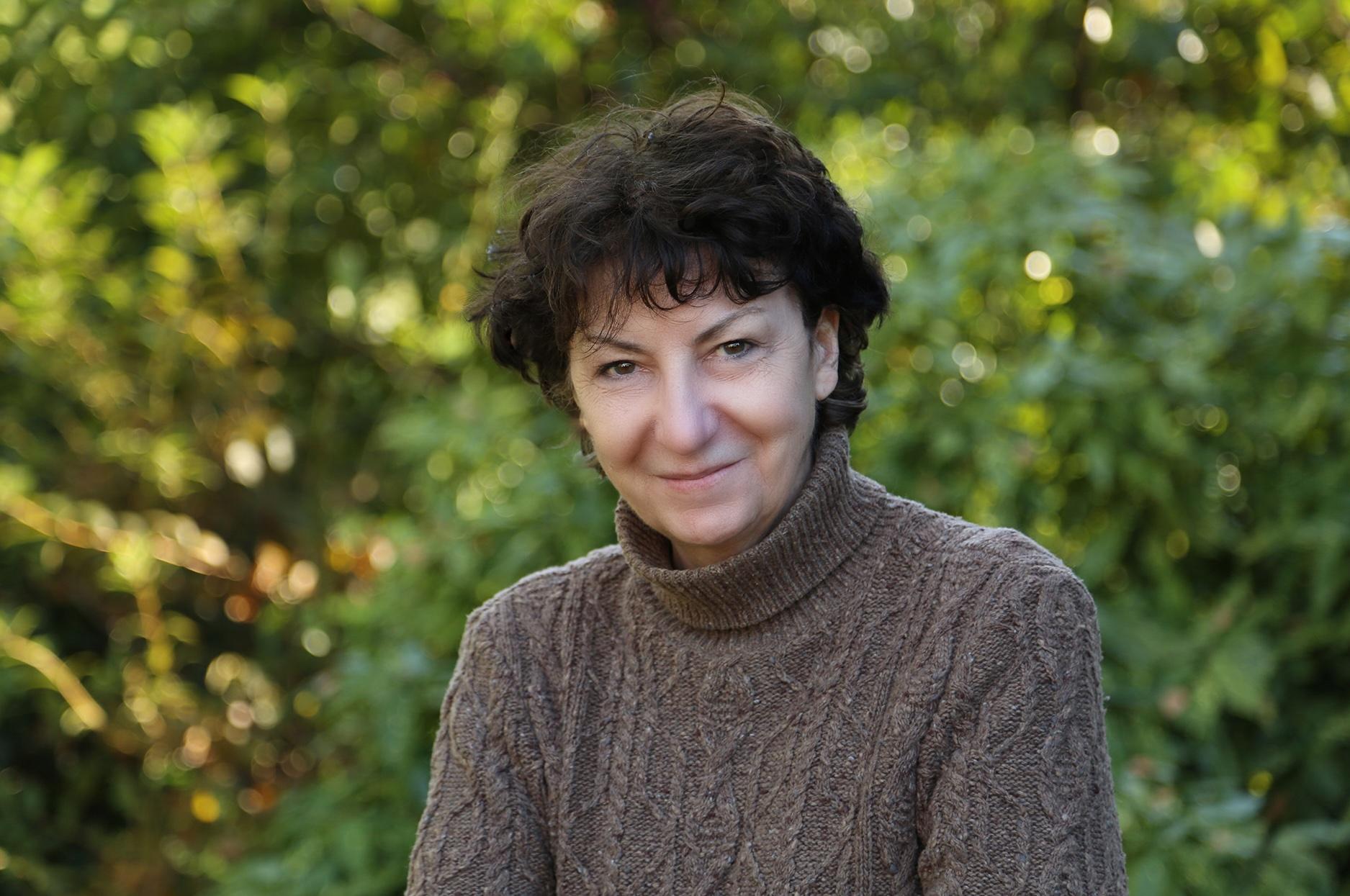
Joan Martelli author photo.
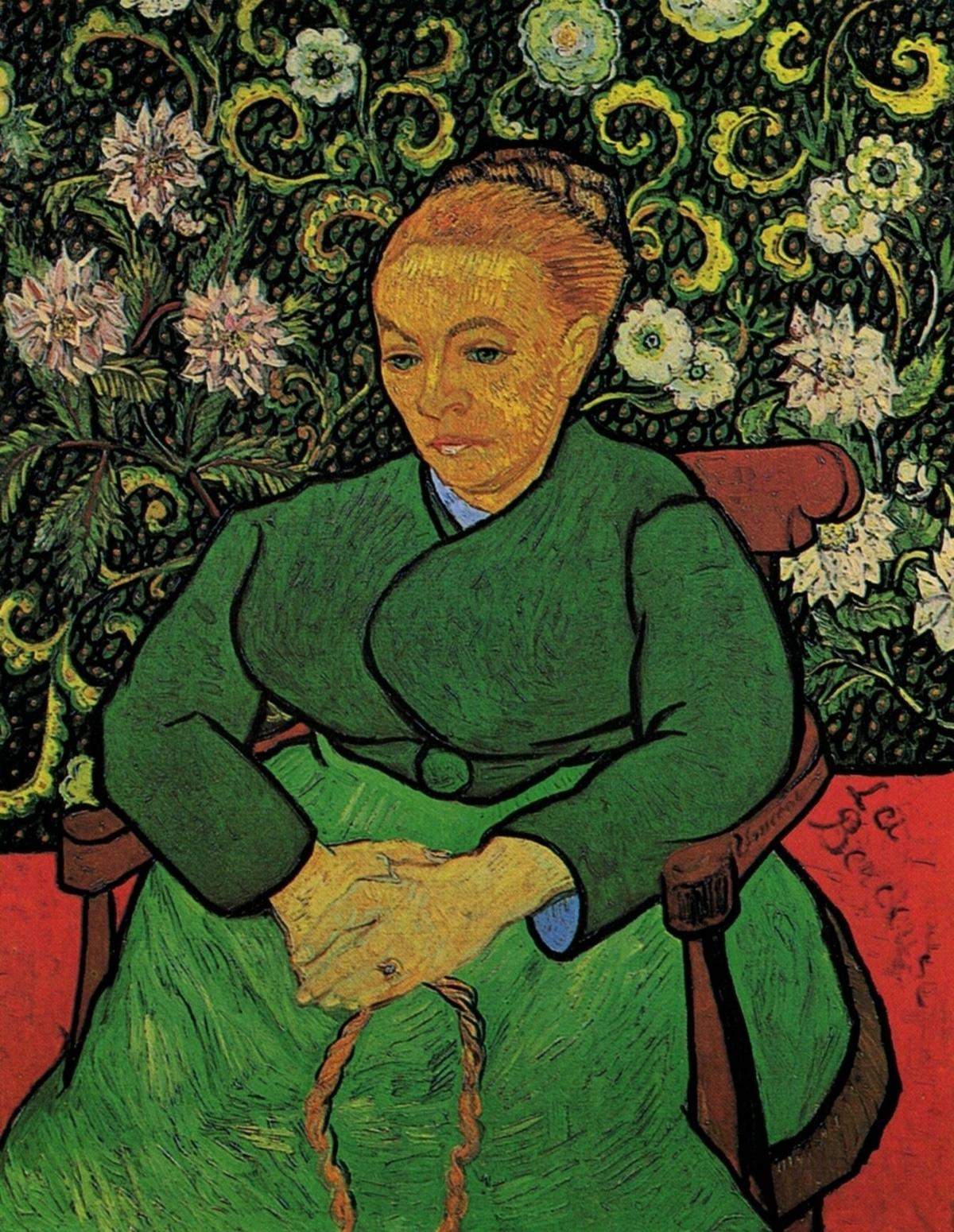
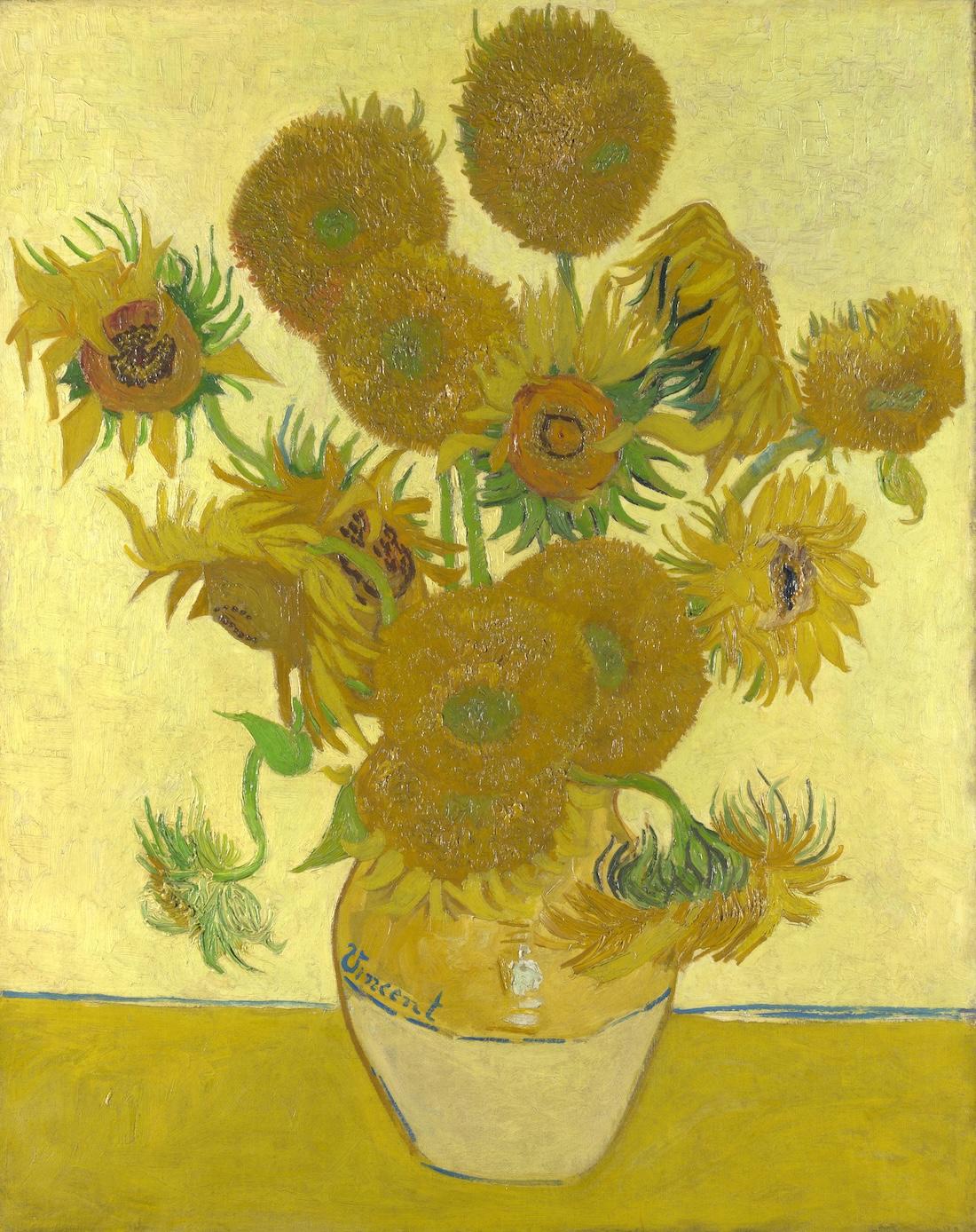
CC: The tryptic concept was a beautiful way to structure the story. I loved the photo-cameos of Jo, flanked by Vincent and Theo, and the Sunflowers with La Berceuse in the center, a painting I admired as an art student in Boston.
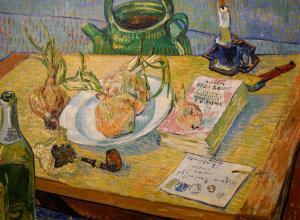
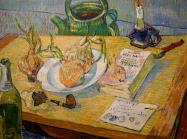
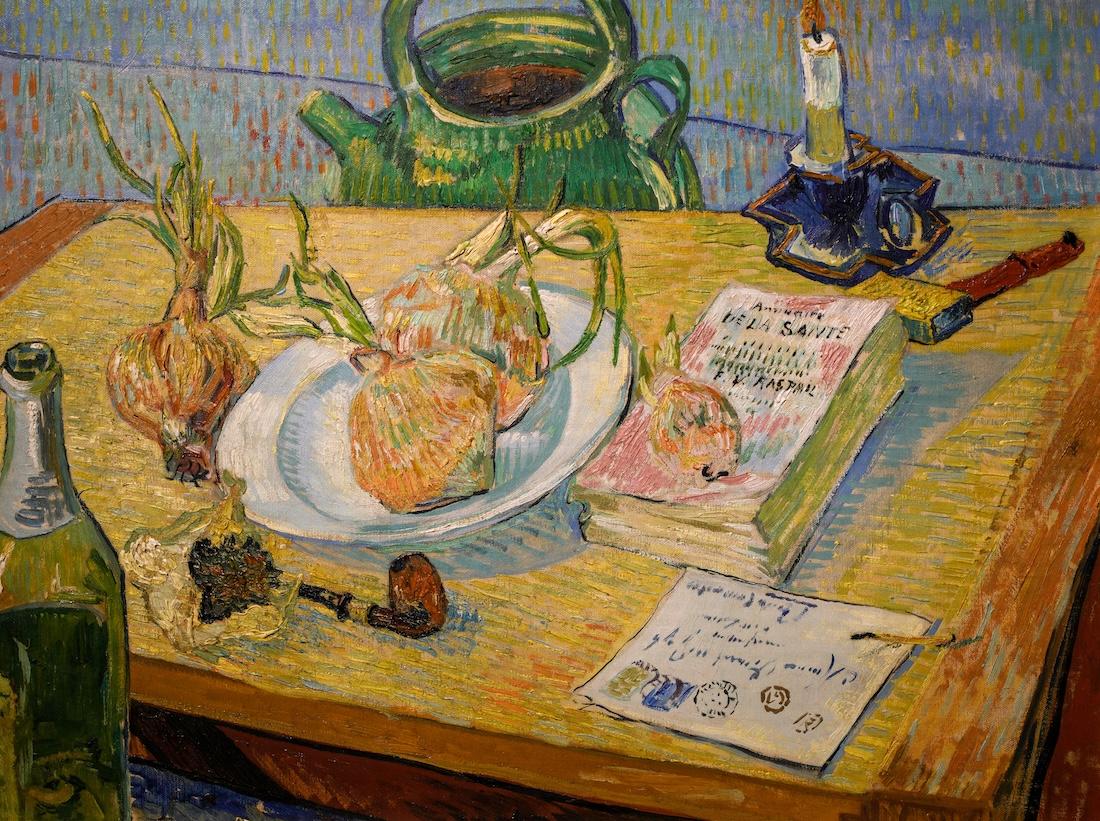
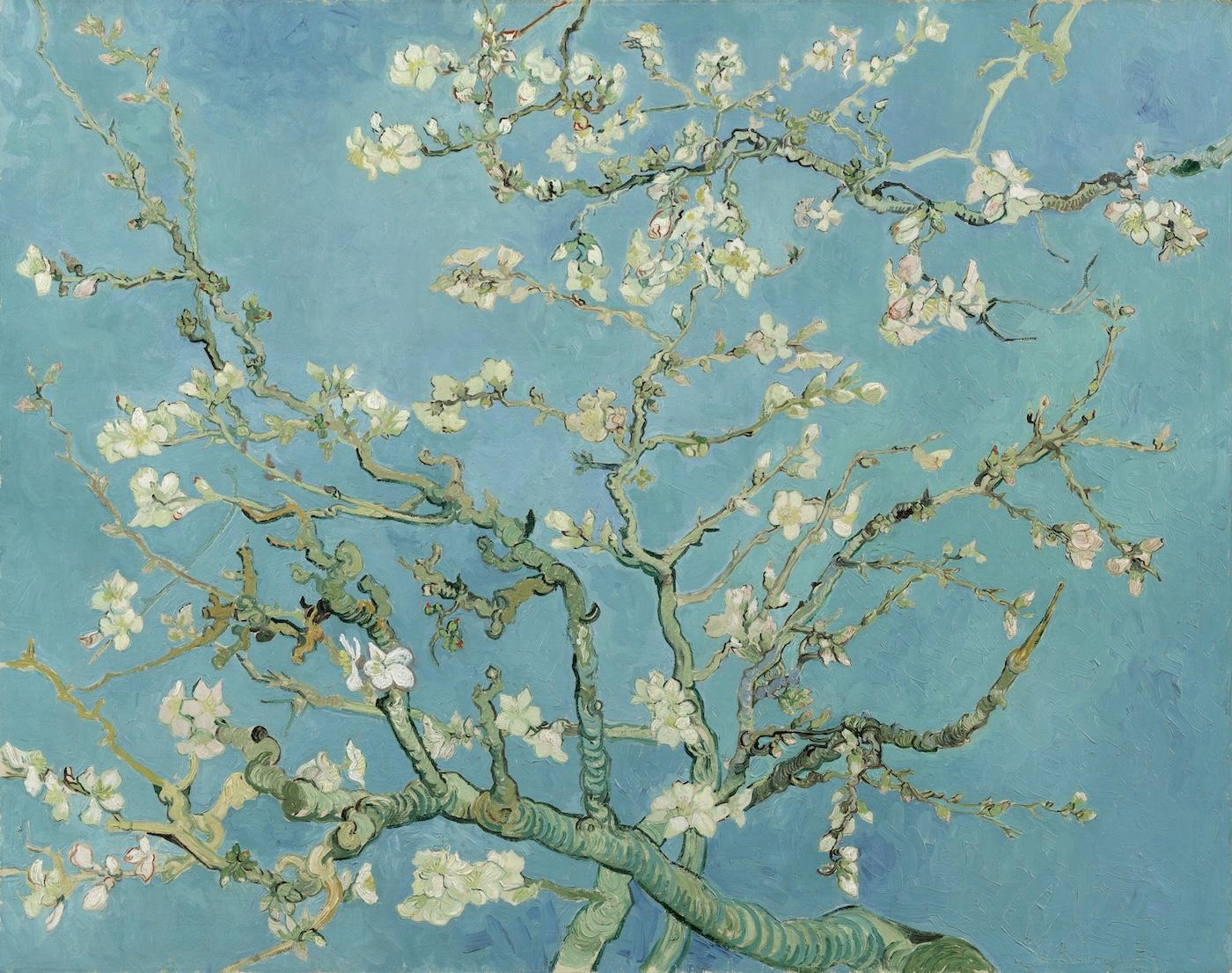
JM: There will be about two dozen color illustrations of paintings, including The Potato Eaters, Almond Blossom, and Still life with a plate of onions, portraits and photographs of Jo and painter Isaac Israëls…also a color photograph of the Sunflowers triptych as it was displayed at the National Gallery, London.
CC: You acknowledge your indebtedness to Hans Luijten’s biography of Jo. Why didn’t you assume it had already been done?
JM: When I first heard about Jo Bonger’s diaries, via a biography by a senior researcher at the Van Gogh Museum, Hans Luijten, I knew if what I wanted to do was like what Luijten had done, I would have to walk away. Reading the English translation confirmed to me that Jo was an important historical character: there was a wealth of information about her, and the biography was a great guide to those primary resources. I knew there was an opportunity to write this story about Jo, Theo, and Vincent in a more literary fashion to appeal to a broad audience. I had different ideas about key points, including how news of Jo and Theo’s engagement was a factor in triggering Vincent to injure himself when he cut off his ear in Arles.
CC: Your extensive research is remarkable—this is the only book where I read the endnotes. You blend “telling and showing.”
JM: Very glad to hear it! I’ve always been drawn to biographies and historical and narrative nonfiction. Writing for documentaries and television news magazines drilled into me how important it is to write tightly and keep the story flowing. I worked very hard on the general outline of the book, the structure of each chapter, the alternating points of view, and the overlapping events in their lives to keep the story moving but full of vivid detail and context. I wanted the story to be a page-turner but to also give readers who want to understand more of the background to have that information available, so hopefully I accomplished that in the endnotes.
CC: You illuminated the dynamic within families when a gifted outlier is struggling with inner demons. Have you thought about the book being a resource in a larger sociological context?
JM: I love that you picked that up. I do think The Widow Van Gogh is a book for anyone who loves the art of Vincent van Gogh and wants to understand it better. Seeing Vincent’s life and work through Jo’s loving eyes was eye-opening for me. This is not a lesson in art history but a real family saga too. What struck me is how relatable Jo is and how relatable the van Gogh family struggles are: the financial and emotional dependence, the love, fear, and impossible choices one faces when dealing with substance abuse or mental illness. I found Jo’s concern that she might unwittingly become a wedge between Vincent and Theo and to try to “fix” things was especially relatable. Her persistence, however, was extraordinary.