
The ancient Greek body is perhaps one of the most recognizable and influential forms in art history.
Latest Art News

On Monday February 6, at 4:17 am local time, a magnitude 7.8 earthquake hit Turkey and Syria, lasting over two minutes.

As the tallest statue in the world upon its completion in 2018, India’s Statue of Unity represents far more than a vanity project to reach incredible heights.
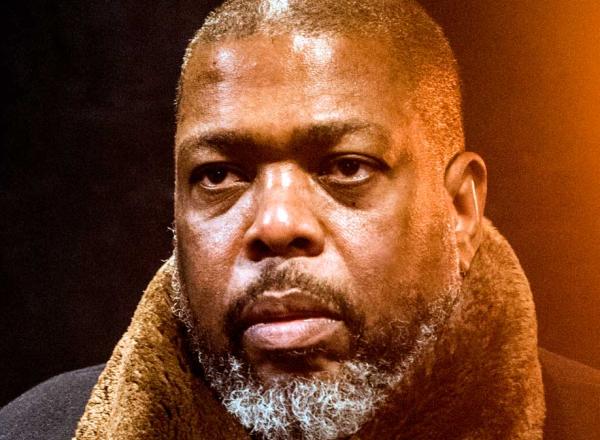
Hilton Als is many things: author, curator, critic, teacher, and winner of many awards including the Pulitzer Prize for Criticism and a Guggenheim Fellowship. Art & Object spoke to Als about his upcoming exhibition on Joan Didion, What She Means, at the Hammer Museum in Los Angeles.

British artist Steve Porter has an intriguing portrait project: Signed99 explores signatures as abstract forms, using a monochromatic palette within a variegated, colored internal frame.
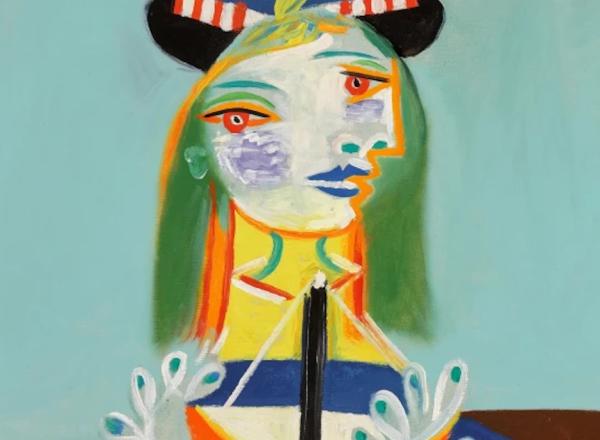
Though Pablo Picasso engaged in many messy and turbulent romantic relationships and affairs throughout his life, these experiences provided rich inspiration for his artistic practice. Some of his best works are of his muses, children, and loved ones.
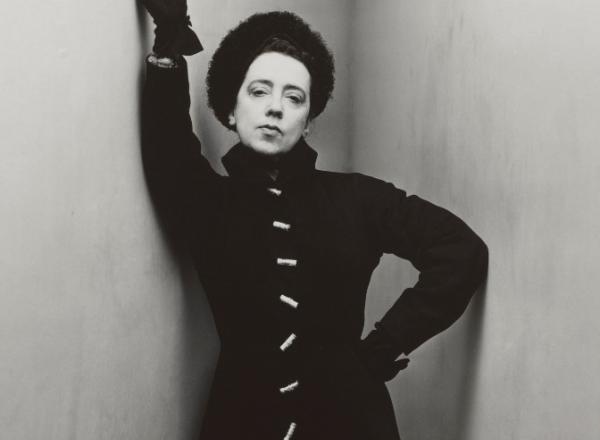
This past week, the fashion house of Schiaparelli debuted their couture collection featuring surrealist forms, realistic animal busts, and kitsch designs
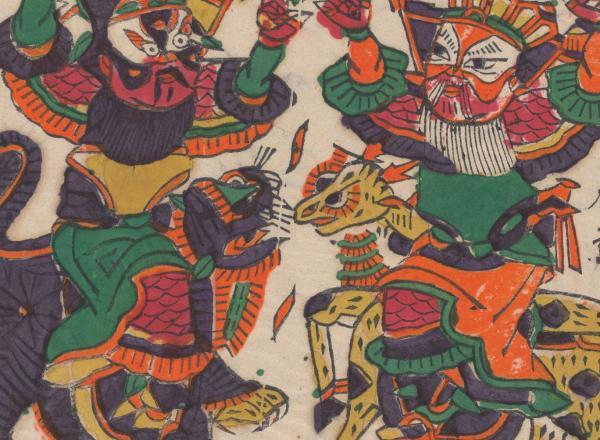
Over the centuries, Chinese artists have created a variety of objects based on or embellished by the twelve animals: mirrors, jade and terracotta statuettes, vases, and paintings.

The bustle was a fashion accessory in Victorian Europe's upper-class society throughout the nineteenth century. In its function, it replaced the hoop skirt to provide wealthy women with a desirable figure that exaggerated the curvature of the buttocks.

The Hugo Ball Prize is awarded once every three years by the German city of Pirmasens and can be given to writers, artists, and publishers. This year, it was awarded to filmmaker and video artist, Hito Steyerl.