


It’s the first night of Passover! Tonight, Jews all around the world will sit down together and recount the story of their ancestor’s exodus from Egypt and the Jewish people’s liberation from slavery. The Passover story is from the book of Exodus, which is one of the most central stories of the Torah, and it reflects some of the biggest themes in Jewish history: oppression, freedom, adversary, and the idea of a homeland.
Latest Art News
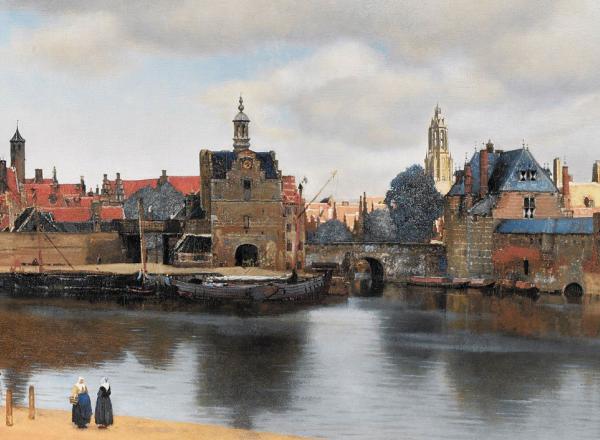
The largest Vermeer exhibition ever staged just opened at the Rijk in Amersterdam. Gathering 28 of his 37 paintings, the exhibition is a closer than ever look into Vermeer’s artistic practice.
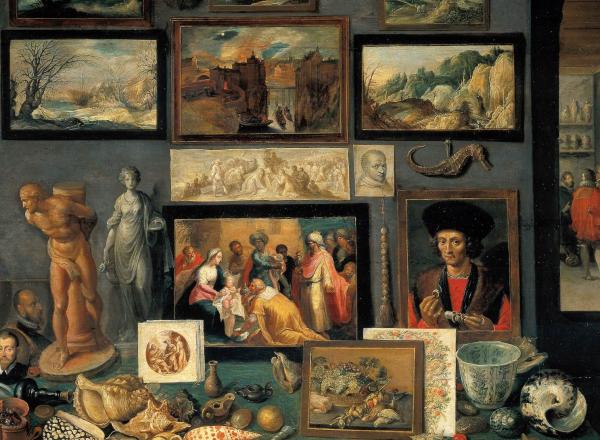
Although such collections were kept by a wide range of groups and individuals—from Tsars to churches and apothecaries to scientific academies—a new wave of scholars have taken particular interest in the motives and cultural implications of the wealthy, often aristocratic, hobbyist collector.

Instagram, shop windows, and street style all shout that the 2000s are back: baggy low-rise jeans, baguette-style purses, paisley halter tops. But what happens when the decade in vogue is neither new nor nostalgic to us?
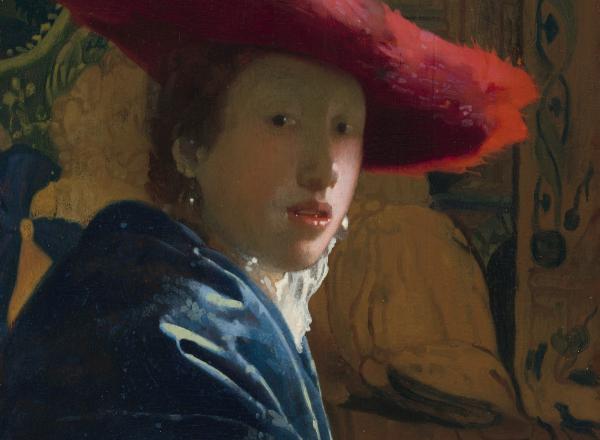
Lately there have been investigations that highlight new theories on some of history’s greatest artists and their paintings. We wanted to dive into these theories to discuss their arguments, histories, and if there is any validity to them. Regardless, these new theories have proven that even if a work is three, or four, or five hundred years old, it can still cease to amaze and perplex us.
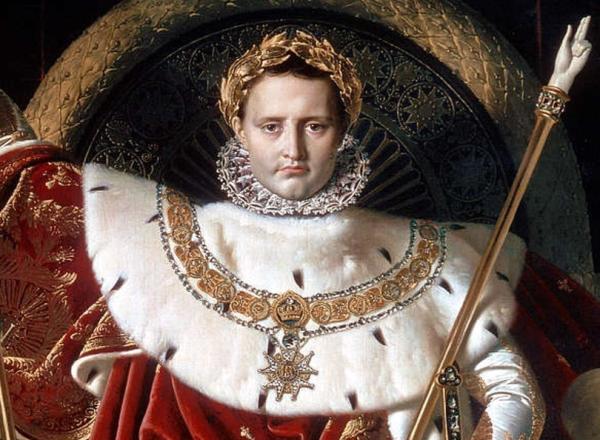
In the third installment in our series on jewelry’s place in art history, we’re exploring how the once-Emperor Napoleon used jewelry, and in particular, cameos, to try and secure his place in history.

Last week, TEFAF, The European Fine Arts Fair, opened its 36th edition in the quaint Dutch town of Maastrict. Just like any art fair, it was filled with celebrity shoppers, representatives of the top museums and galleries, and filled with thousands of artworks.

You may know the Dia Foundation from their renowned upstate escape, Dia Beacon. And while this arts center is a gem of contemporary art and sculpture, the Foundation’s work goes far beyond this singular location.

British sculptor Phyllida Barlow challenged the conventions of sculpture for over fifty years. On Monday, Barlow’s gallery Hauser & Wirth, confirmed her recent passing. She was 78.

Lois Dodd and Walter Price are very different artists with ostensibly little in common. But upon further examination, they have more similarities than you might think.