



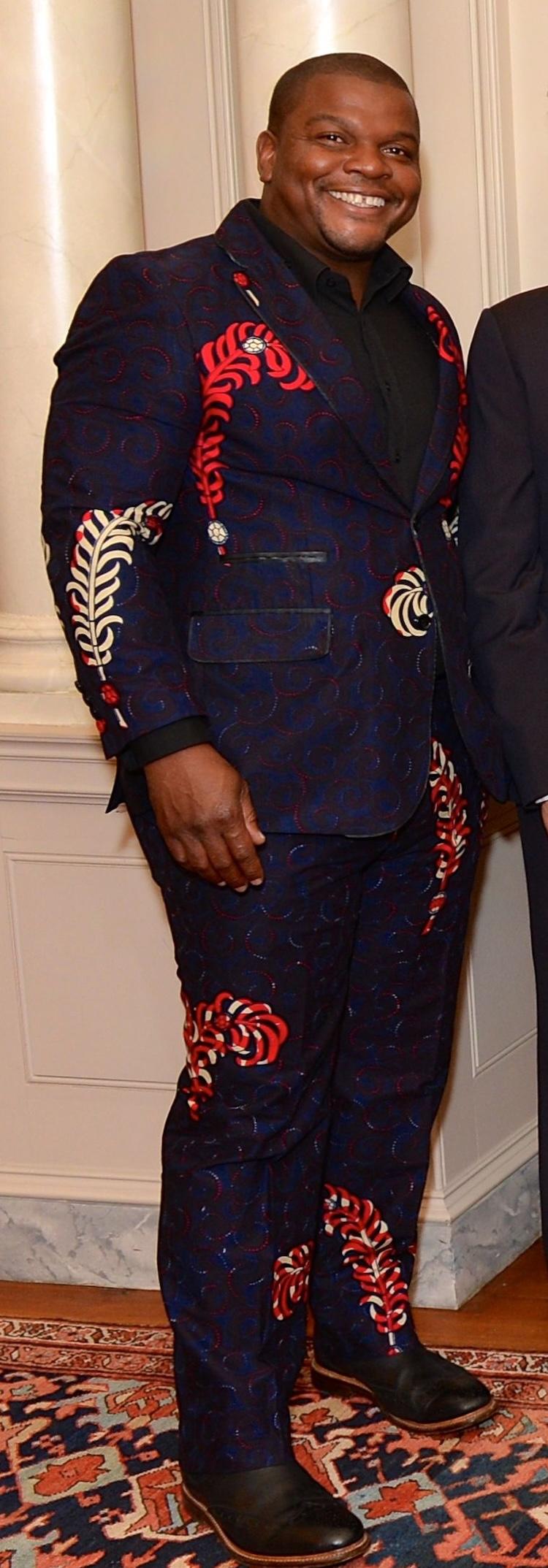
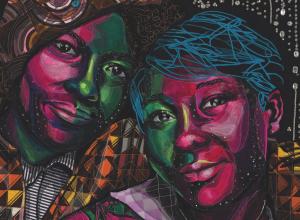
Young Artists depicts four local art students posing against Wiley’s signature floral background in an homage to mid-20th-century Dominican painters. Since its 2015 creation, Wiley has stepped further into public discourse by painting Barack Obama’s official presidential portrait, which now hangs in the Smithsonian’s National Portrait Gallery. He is known for naturalistic paintings of Black figures in poses reminiscent of Old Master subjects made undeniably contemporary with vivid floral or patterned backdrops.
Sexual assault accusations made in 2024, which Wiley denies, have forced the artist out of the limelight in recent years. The accusations were made by a former partner on Instagram, and no criminal charges were filed. That same year, two museums cancelled planned exhibitions of his paintings as a result. A State Department spokesperson likewise cited the incident as a reason for removing Young Artists.
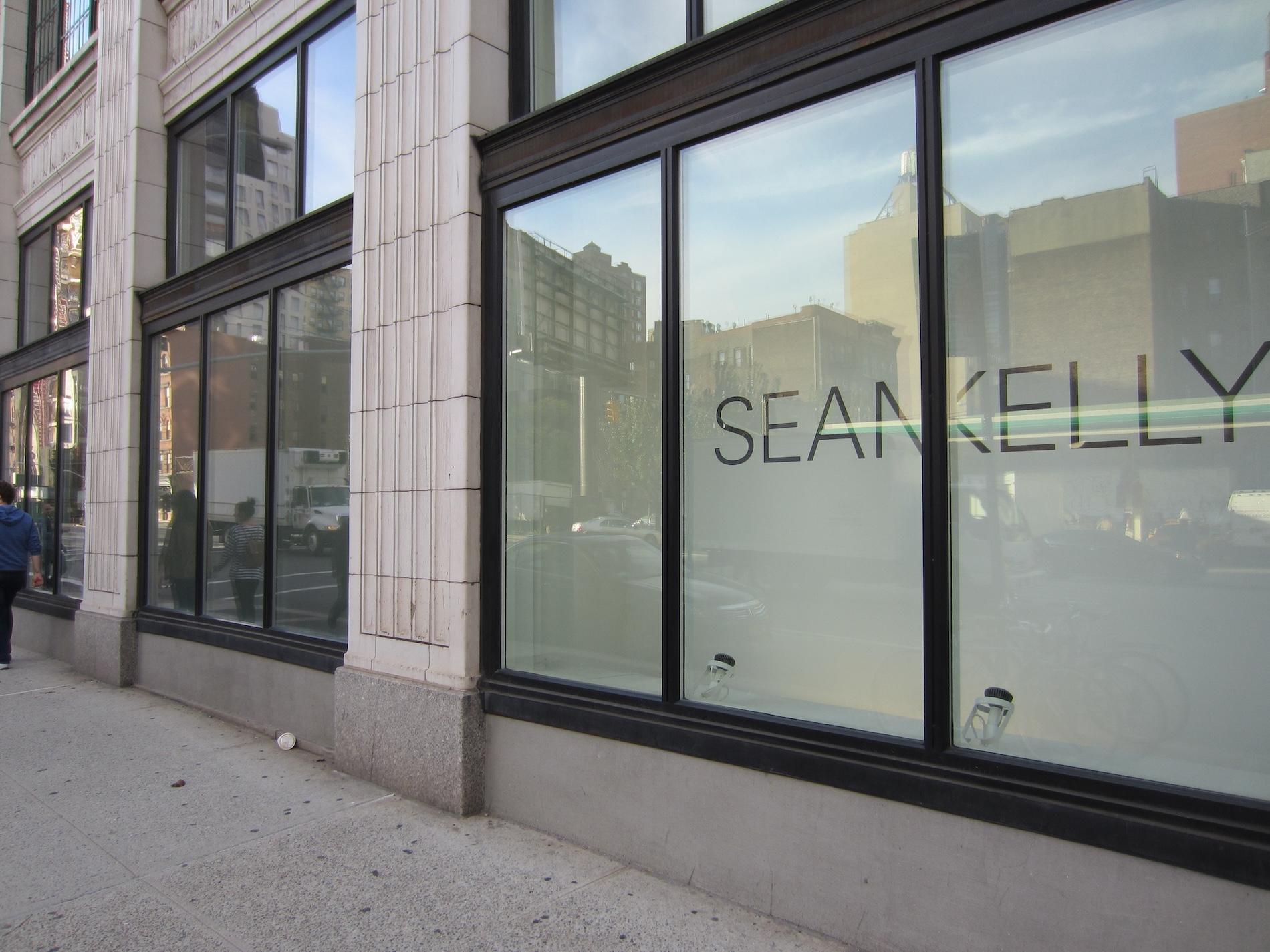
Two years later, nearly a dozen of Wiley’s works are currently being shown at his dealer’s Manhattan gallery in the artist’s first major US exhibit since those accusations. Sean Kelly Gallery also published a copy of Wiley’s letter to President Trump offering to purchase Young Artists if the administration no longer has any use for it. While the embassy painting’s value is not known, Wiley’s auction record stands at $842,670 for a slightly smaller canvas.
On American soil, an artist facing the removal or destruction of a public work can turn to the Visual Artists Rights Act (VARA) of 1990, which grants creators lifetime “moral rights” over their work. The owners of public art are expected to maintain it without changes beyond natural aging or adjustments to lighting and placement. Under VARA, if a work can be removed without damage, the building owner must give the artist 90-day written notice.














.jpg#/media/File:Kehinde_Wiley_(2015).jpg)
