
At Large  August 5, 2026  Annah Otis

Politics at the Smithsonian: Who Gets to Tell America’s Story?

WikiCommons

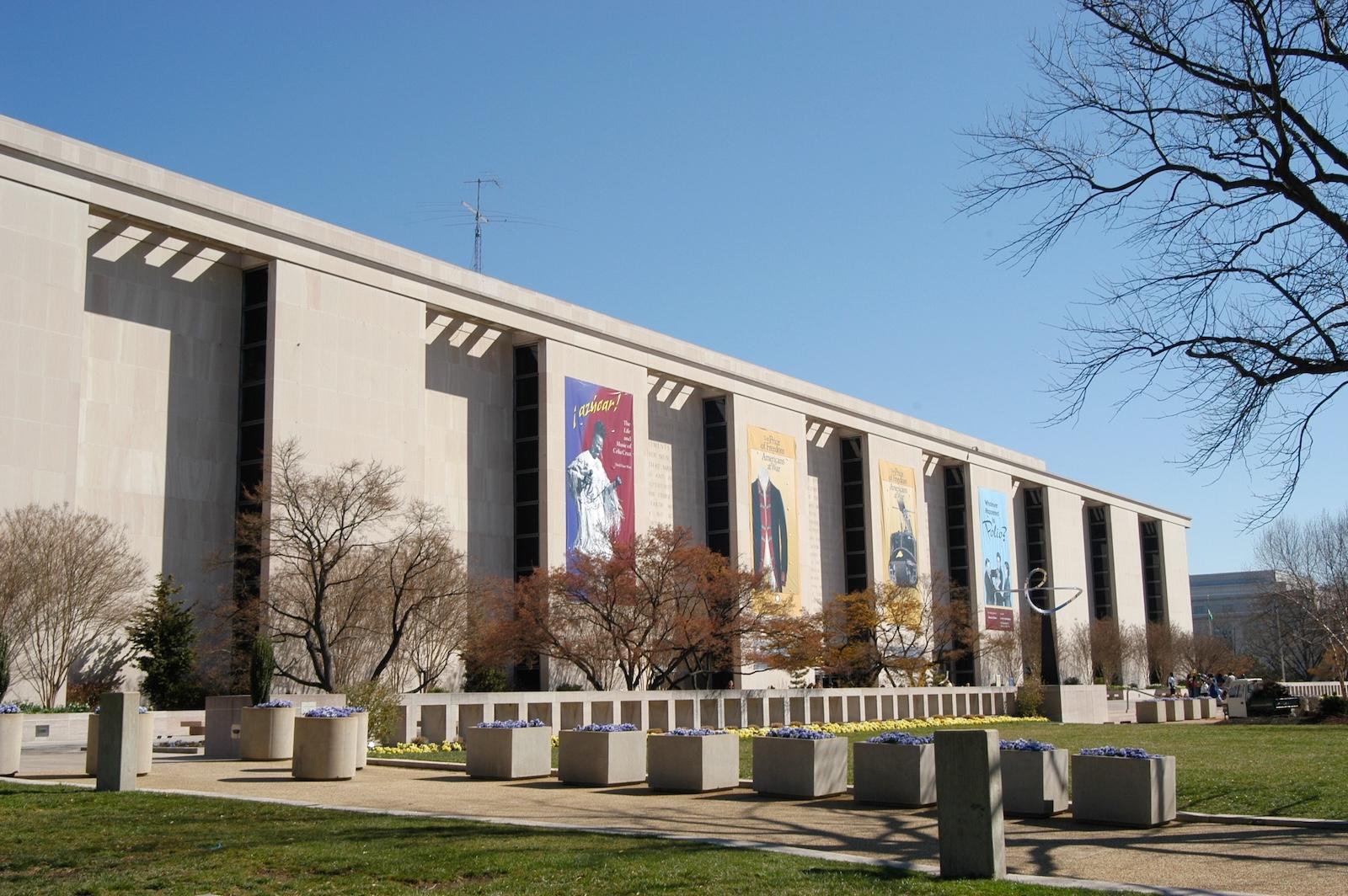
National Museum of American History in Washington, D.C. License.

The Smithsonian Institution, long regarded as a trusted keeper of the nation’s shared history, has spent the summer fighting to defend its independence. A 162-page White House report released in July under the title “Saving America’s Story: How Ideological Capture at the Smithsonian Institution’s National Museum of American History Erases Our Heritage” has fanned the flames of a fire started under the current administration more than a year ago. 

WikiCommons

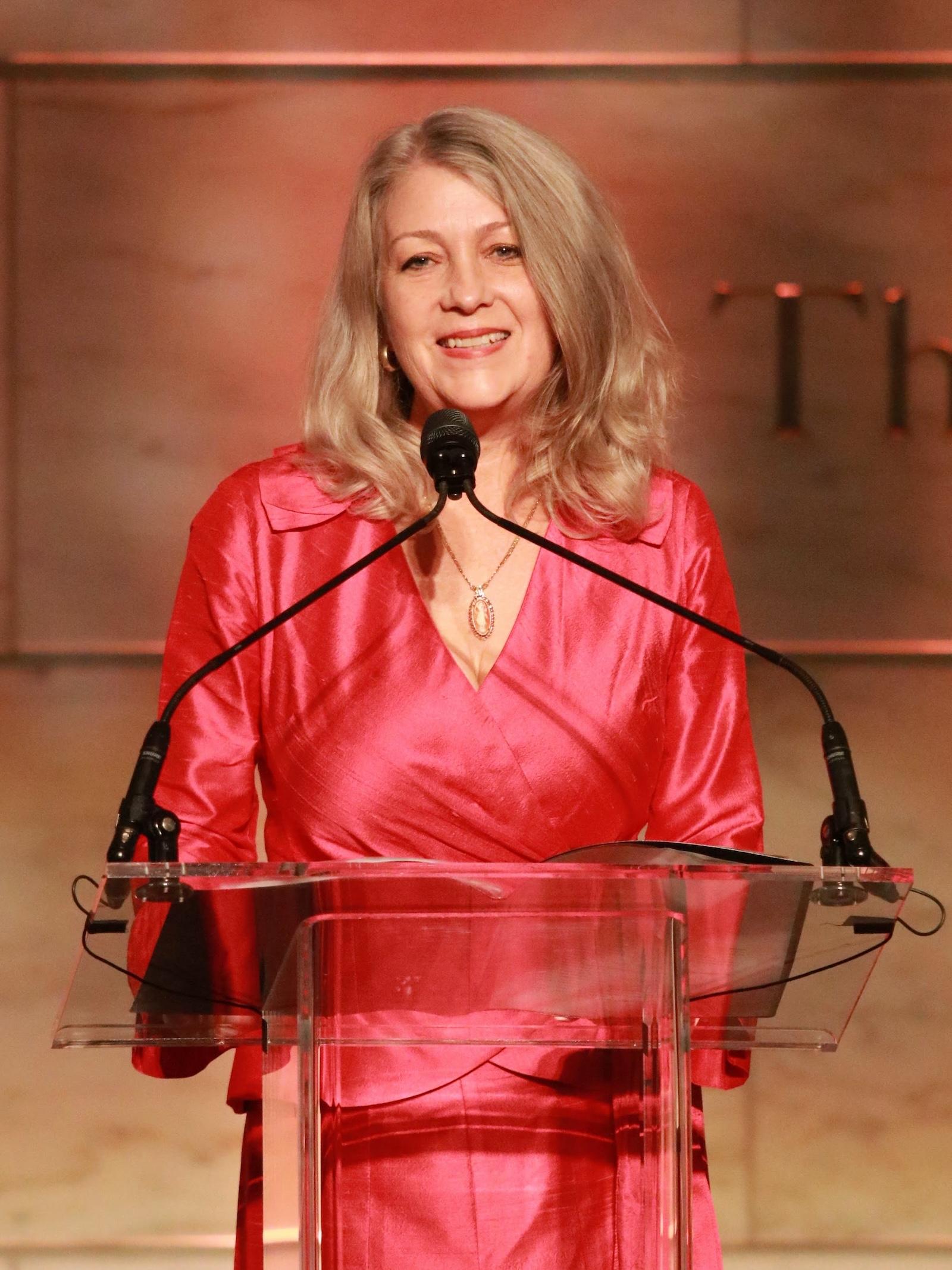
Anthea Hartig, Director of the National Museum of American History. License.

In response to the report’s accusations that the museum is failing to sufficiently celebrate the country’s 250th anniversary by downplaying the founding fathers and colonial periods, Smithsonian Secretary Lonnie G. Bunch III sent a memo to staff stating that the report did not fairly represent the museum’s work as a whole. The document also singled out the museum’s director, Anthea M. Hartig, who has led the institution since 2019, in vicious criticism of her bias and supposedly progressive ideals. An executive order issued by President Trump in late July accused her of advancing social justice and a radical transformation of society, asserting that museum leadership cannot be trusted to tell the country’s story honestly.

Soon after that order was published, Trump demanded that signs be posted outside the National Museum of American History warning visitors that exhibits may contain inaccurate information—a move the administration justified by claiming the museum had failed to properly honor democracy and the signers of the Declaration of Independence. Two hearings held roughly two and a half weeks after the release of “Saving America’s Story” brought Hartig before lawmakers who questioned her about exhibits addressing gender and sexuality. Congressional Republicans accused her and other museum leaders of weaponizing the past for ideological ends.

Museum advocates have responded forcefully given that the Smithsonian’s 21 museums are meant to operate independent of the federal government. The American Alliance of Museums issued a statement warning that the questions raised by the White House could jeopardize the independence of about 22,000 museums nationwide. It pointed out that more than 90% of Americans consider museums nonpartisan providers of educational content and the majority across the political spectrum oppose censorship in museums.
WikiCommons

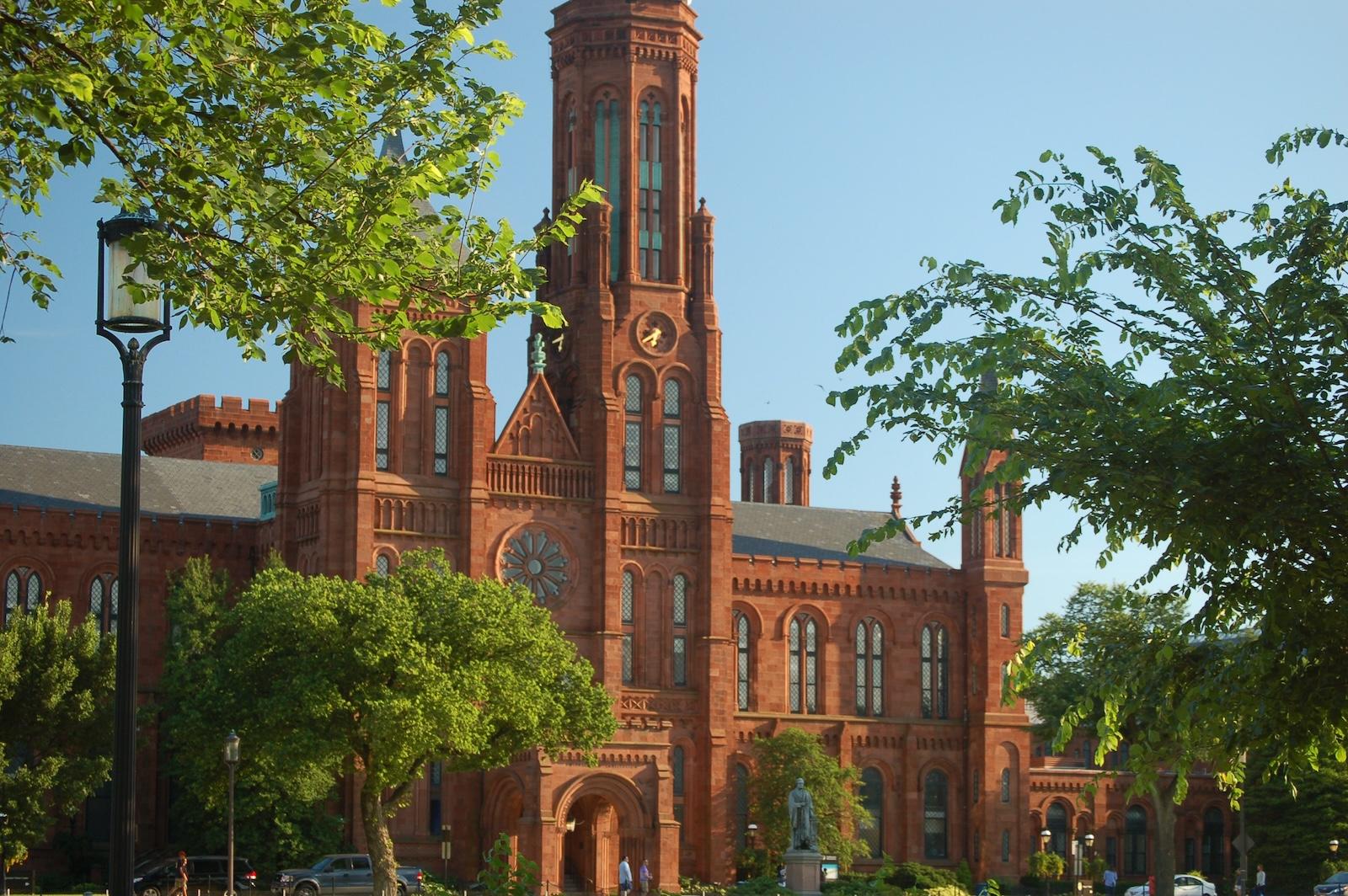
Smithsonian Castle from the National Mall. License.

In part, the dispute is a continuation of a debate that has followed the National Museum of American History since it opened in 1964 at the height of the civil rights movement and amid the escalating war in Vietnam. The scale of institutional pressure being applied and the explicit demand that exhibitions produce feelings of patriotism rather than complexity or discomfort are starkly different from six decades ago. Museums tend to reflect the perspectives of those who curate and fund them, which can undoubtedly introduce bias. However, Americans still rank them among the most trusted sources of historical information behind family and friends.

It remains to be seen if Congress, the courts, or public opinion will determine how much control the executive branch can exert over the Smithsonian’s exhibitions. In the meantime, the institution finds itself defending the founding premise that its galleries answer to scholarship rather than any single administration’s version of the past.

About the Author

Annah Otis

Annah Otis is a New York City-based contributor to Art & Object with a master’s degree in art history. She is also a marketing communications executive.

Subscribe to our free art newsletter!

Webform
Art and Object Marketplace - A Curated Art Marketplace