

At Large  November 11, 2026  Annah Otis

What a Later Date for “The Starry Night" Could Mean for Art History

WikiCommons

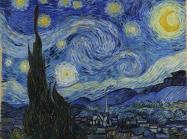
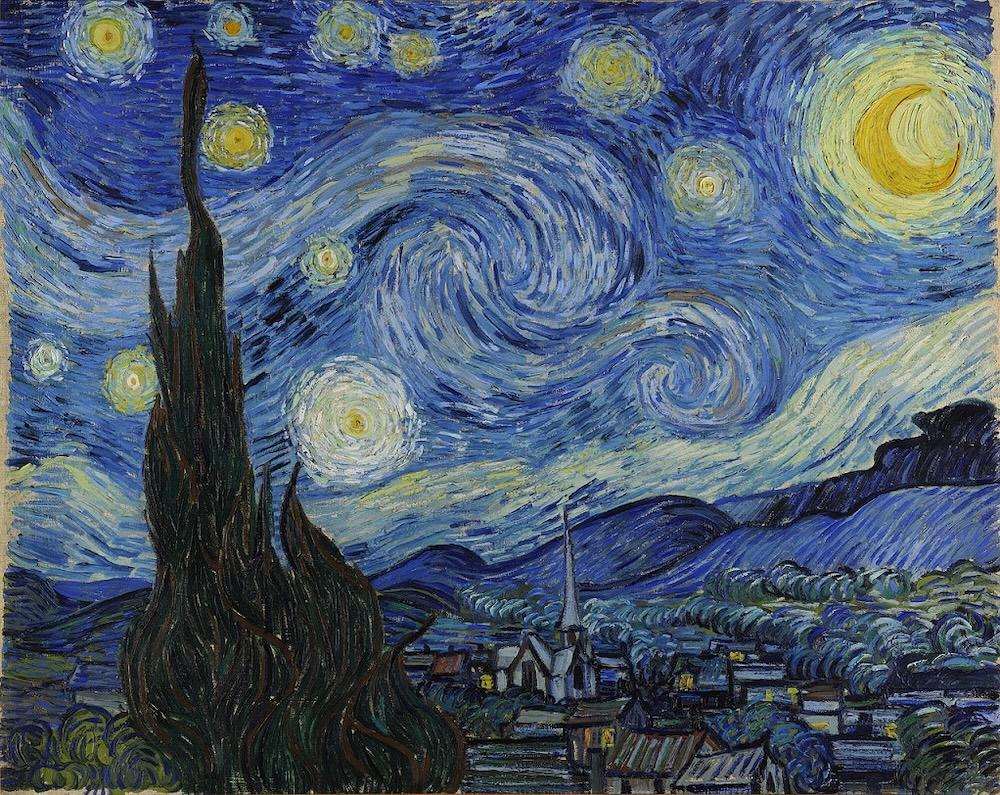
Vincent van Gogh, The Starry Night, 1889. Oil on canvas. License

For more than a century, Vincent van Gogh's The Starry Night has been dated to mid-June of 1889, weeks after the artist admitted himself to an asylum in Saint-Rémy-de-Provence following a series of mental health crises and self-mutilation of his left ear. A South Korean team recently challenged the painting’s date in a study whose findings were published in Scientific Reports. Amid disputes from other scientists, they argue that the canvas matches a predawn view from July 22, 1889. Their findings raise two larger questions: how does a later date change our understanding of the painting or its painter, and what kind of evidence could be offered for dating other works through the process these researchers used?

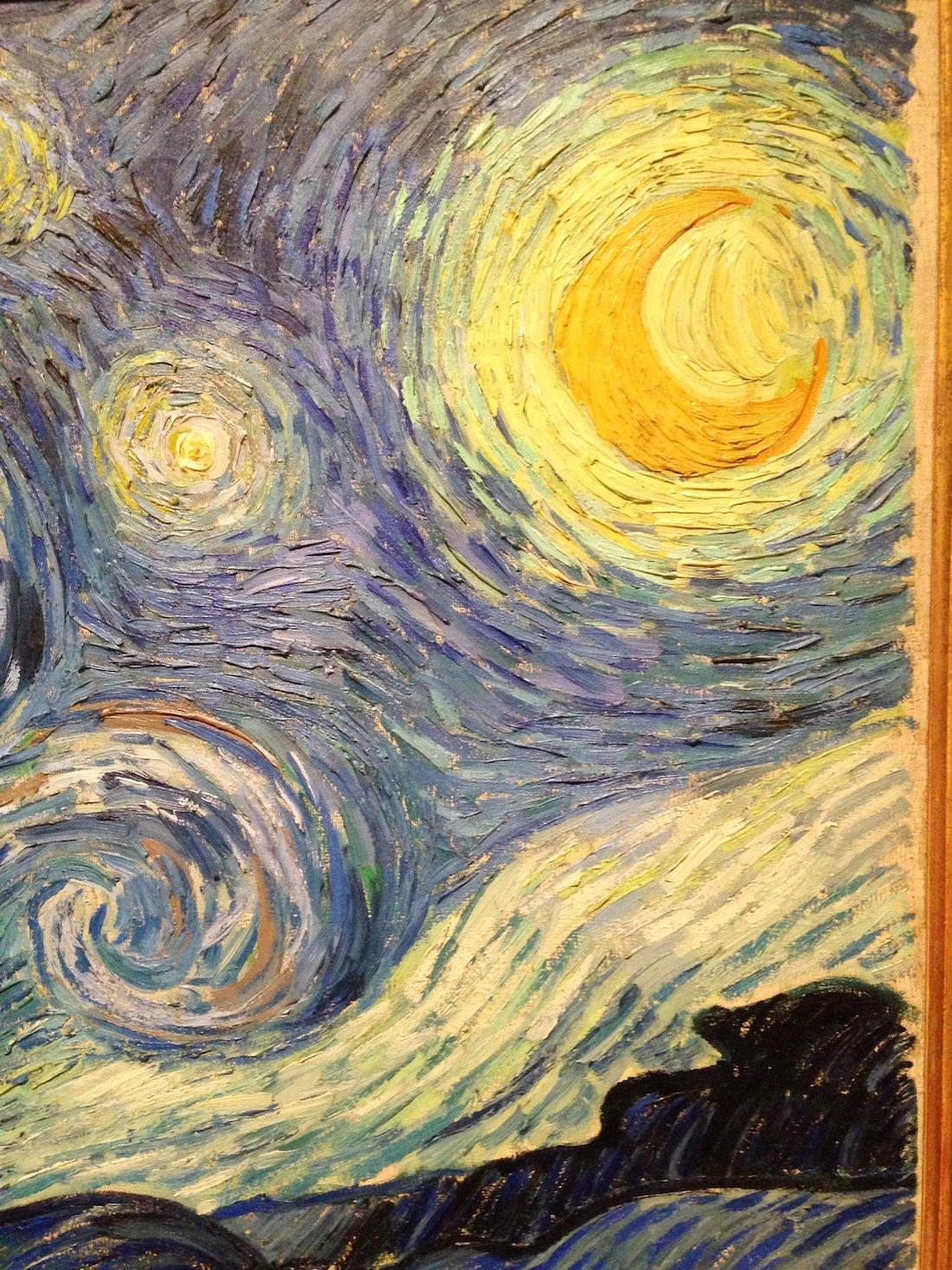
Elijah Jeong-hyun Kim, a doctoral candidate and the CEO of a Seoul-based telescope maker, led the study in recreating every night sky over Saint-Rémy in both June and July 1889. Comparing the geometry of the painting’s brightest features led them to identify a V-shaped star cluster in Taurus known as the Hyades. There were only three nights when this formation appeared with a crescent moon hanging over Venus. Locally reported meteorologic data from that time confirmed that July 22 was a clear morning with the requisite astrological features. Letters in which van Gogh mentions drawing night skies include references to cicadas that only emerged in the heat of July.

WikiCommons

Detail of the sky in The Starry Night. License.

Dating The Starry Night to mid-July forced researchers to reconsider when van Gogh suffered a seizure that left him unable to paint for several weeks that summer. Art historians previously assumed the episode occurred near the middle of July based on undated letters. Kim and his team propose that it transpired in late-July when the weather van Gogh described at the seizure’s onset in a letter to his brother aligns with conditions reported between July 26 and 29. Biographical readings that link the churning sky to the artist’s mental state would then concern a scene captured days before a crisis rather than more than a month ahead of it.

However, even this study’s researchers acknowledged that van Gogh may have conflated several nighttime scenes into one, especially since he painted The Starry Night inside, during the day. This conflation and adjustment of a composition’s elements is also not out of the ordinary. Kim’s team’s findings nonetheless suggest that van Gogh studied the real night sky closely before reimagining it in the studio versus conjuring it purely from imagination.

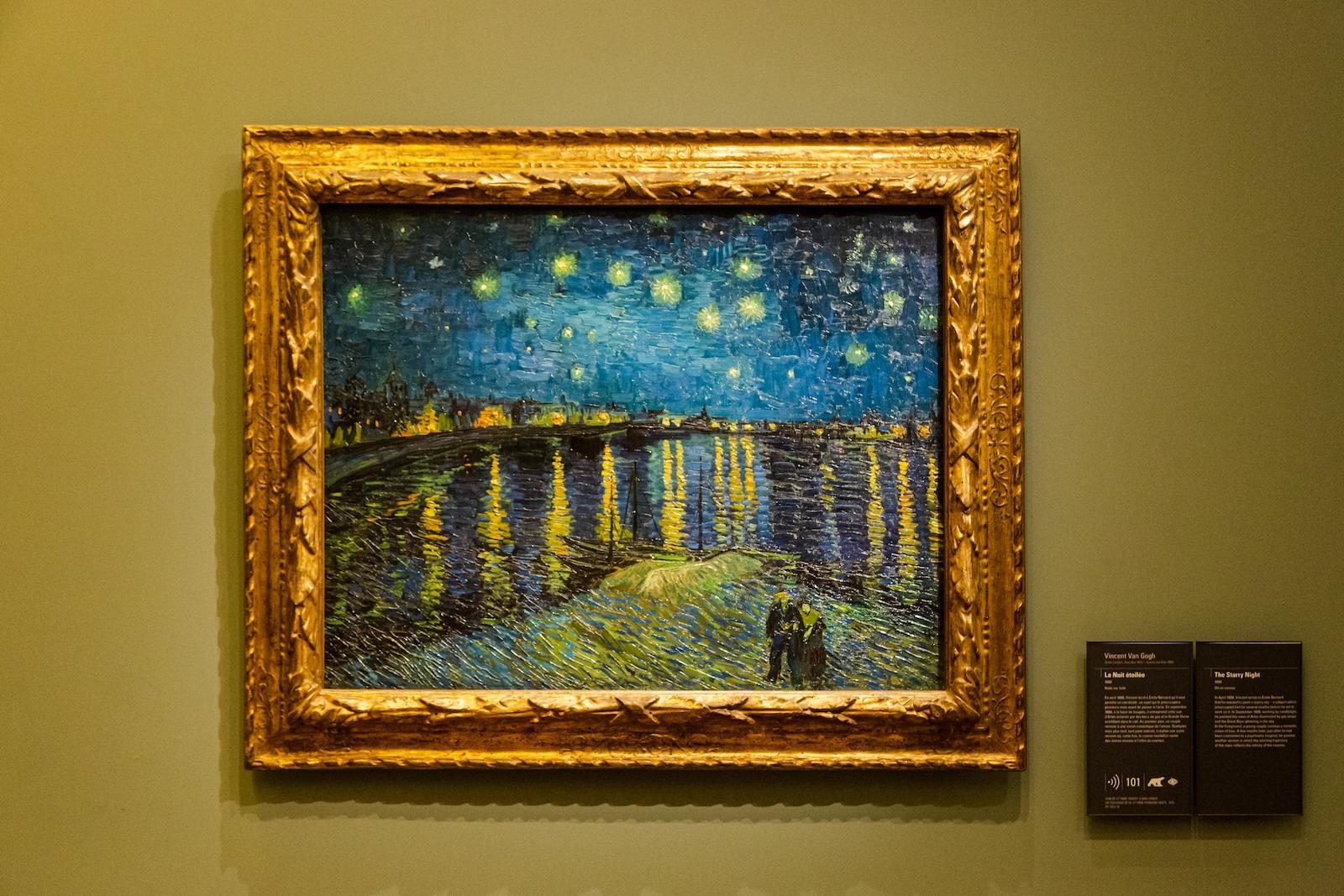
The process described in Scientific Reports likewise has bigger implications for art historical dating. As proof of concept, it was tested on four additional canvases, including Adam Elsheimer’s The Flight into Egypt from 1609 and Jean-Francois Millet’s Starry Night of 1850-1865. The other two paintings were van Gogh’s Starry Night Over the Rhône and Café Terrace at Night from 1888. While the former accurately depicts the Big Dipper as it appeared around September 26 or 28, the latter combined star arrangements from September 14 and 15.
WikiCommons

Vincent van Gogh, Starry Night Over the Rhone, 1888. License.

Although Kim’s team’s interdisciplinary method partially depends on observed skies and identifiable viewpoints, it can be combined with other scientific dating techniques to narrow down when a painting was created. These include dendrochronology, canvas thread counting, radiocarbon dating, and pigment analysis. Continued debate over The Starry Night proves that new technology and novel methods may help bring art historians closer to the truth of paintings that have long been considered fully decoded.

About the Author

Annah Otis

Annah Otis is a New York City-based contributor to Art & Object with a master’s degree in art history. She is also a marketing communications executive.

Subscribe to our free art newsletter!

Webform
Art and Object Marketplace - A Curated Art Marketplace