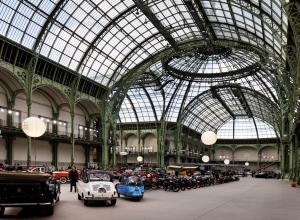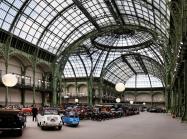
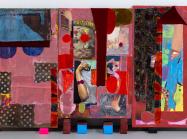

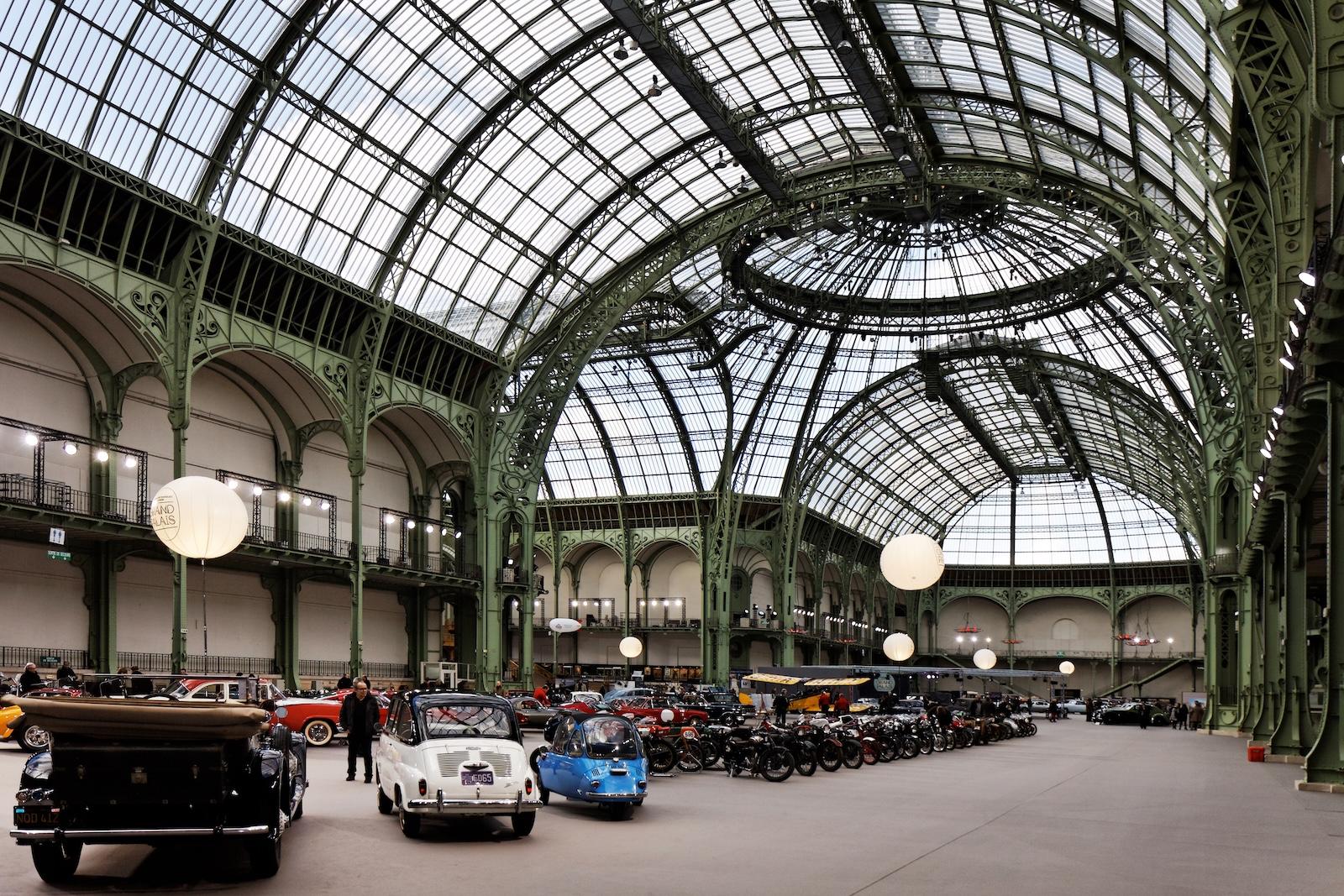
Inside the Grand Palais, the art market barely flinched. The fair’s 211 dealers cater heavily to wealthy American collectors and their advisors, so exhibitors tend to bring their most valuable works, showing them off during the first two preview days in hopes of a big sale. A rare Amedeo Modigliani nude was priced at more than $100 million this year, and a painting by Gerhard Richter sold for $10 million during the first 48 hours. Dealers interviewed by The New York Times reported that the buyers they expected all came.
Instead, losses landed on the public days, which typically fall after the major deals have closed. Collectors with smaller budgets who work during the week often visit on weekends but did not have the opportunity to do so. Galleries introducing newer artists rely on that foot traffic as a marketing play as much as a sales one and may have suffered as a result. It has not been announced if Art Basel will compensate exhibitors for the lost days.
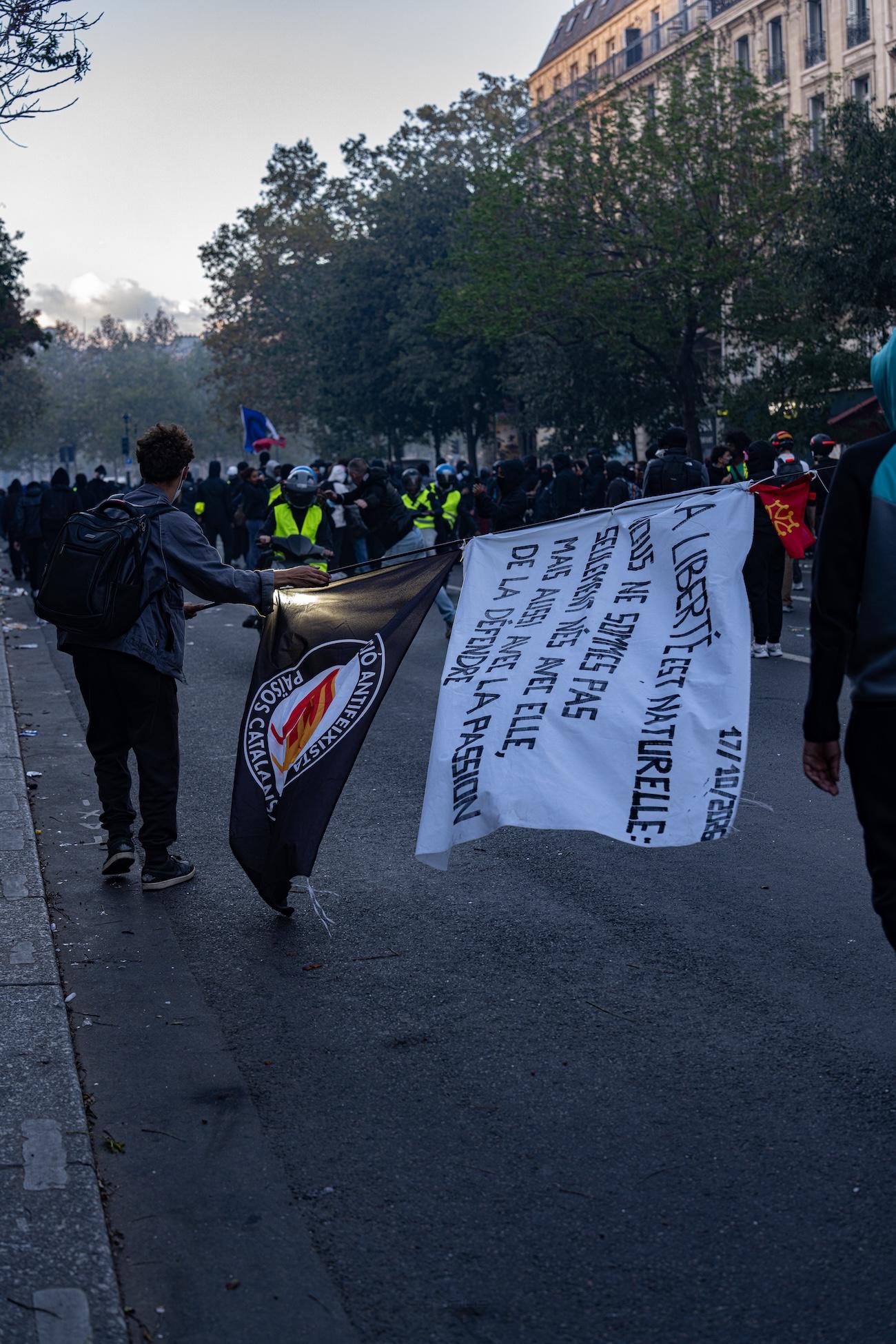
Satellite fairs like Paris Internationale and Post-Fair were also forced to shuffle their schedules and manage a subdued atmosphere. Museums also lost out on ticket sales. The Louvre closed on October 19 to avoid unrest after students from the École du Louvre blocked one of its entrances in the early morning. These disruptions follow a staff walkout due to overcrowding and working conditions last year in a series of incidents that has left the institution scrambling.