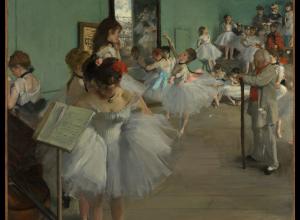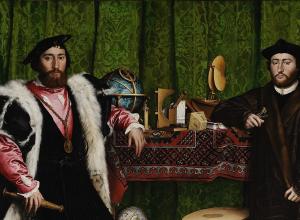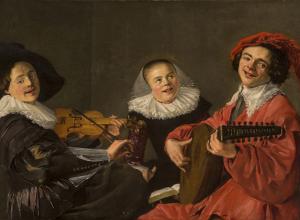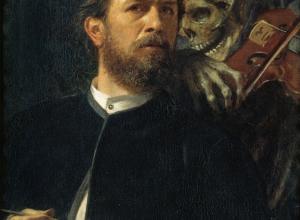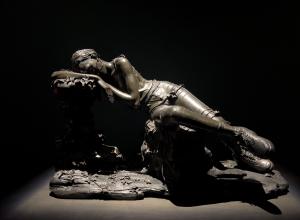
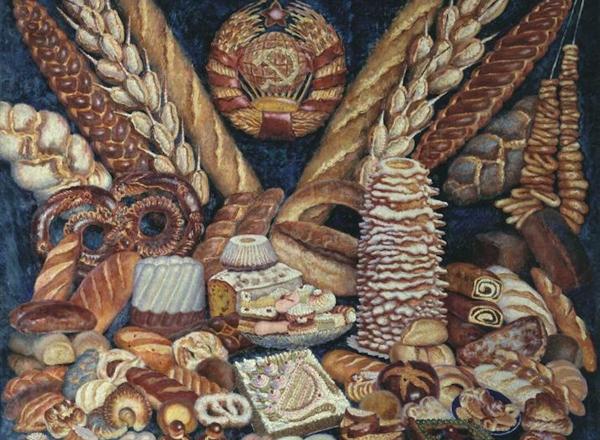
As empires fell and made way for nation-states, dissolving Medieval social structures, rapid industrialization led to the development of Realism, a period from the mid-to-late nineteenth century that rejected the conservative and elitist structure of the Neoclassical movement that had ruled since the Renaissance.
Art News
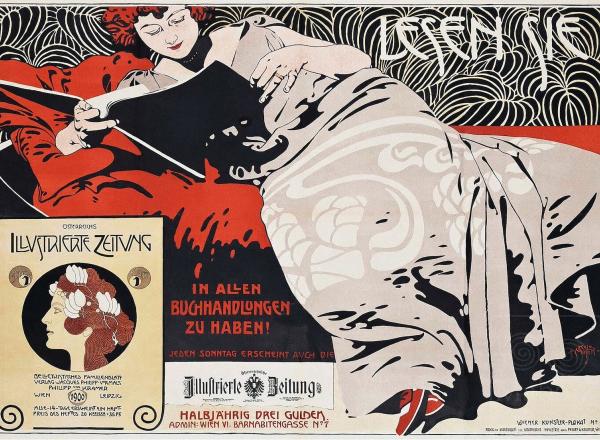
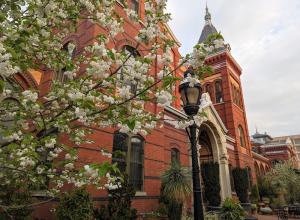
This fall, the Lightner Museum will present The Wiener Werkstätte: Art, Luxury, and Beauty in Modern Vienna, an exhibition showcasing 60 works of art from the prestigious Richard H. Driehaus Collection (Chicago, IL). On view from November 20, 2025, through July 14, 2026, the exhibition introduces audiences to one of the defining design movements of the early twentieth century. The exhibition is a curatorial collaboration between the Lightner Museum and the Richard H.
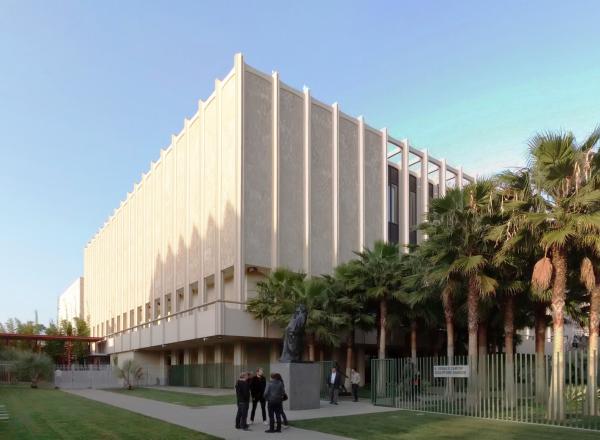
As Los Angeles County Museum of Art (LACMA) races to finish the $720 million David Geffen Galleries to hold its permanent collection, employees are turning to collective bargaining for better wages and working conditions amidst the urgency.

Last summer, a small American museum made history by becoming the first institution in the country to return one of the fabled Benin bronzes. Officials of the University of Iowa’s Stanley Museum of Art traveled to Benin City, in southern Nigeria, to meet with the Oba, the hereditary ruler of the Edo people, and formally hand over one bronze plaque, as well as a wooden altarpiece, both of which had been in the museum’s collection for decades.
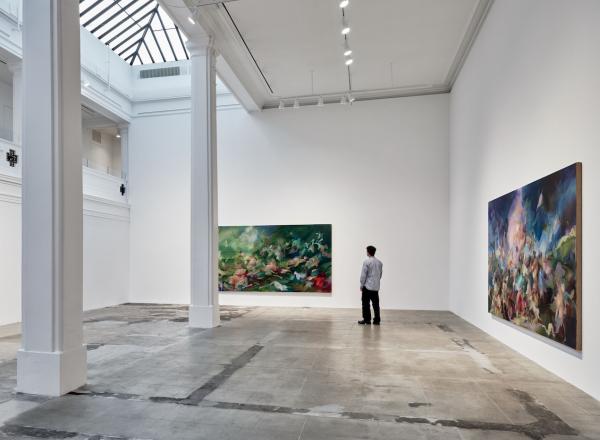
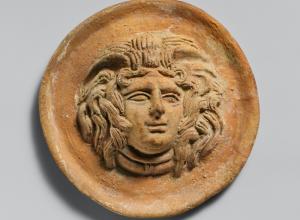
The ritual of ecstatic frenzy induced by followers of Bacchus was seen as a way to free yourself from self-consciousness, as well as suppression by the powerful. The Roman Bacchanalia feasts even created moral panic in the government.
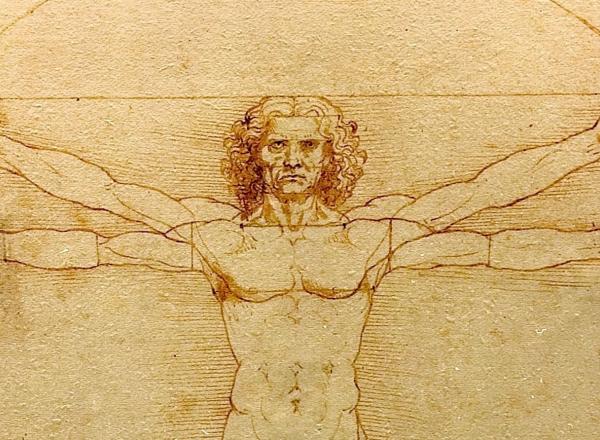
As the orginal "Renaissance Man," Leonardo da Vinci’s works have influenced artists, scientists, architects, and great thinkers for centuries. Along with the Mona Lisa and The Last Supper, his Vitruvian Man drawing is one of the most iconic images in the history of Western art.
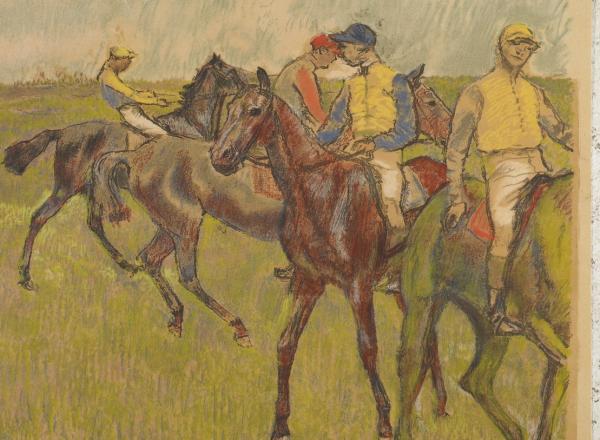
The Society of the Four Arts in Palm Beach presents the art exhibition Edgar Degas, The Private Impressionist: Works on Paper from the Artist & His Circle, on display in the Esther B. O’Keeffe Building, 102 Four Arts Plaza, Palm Beach, Fla., from November 15 through February 1.
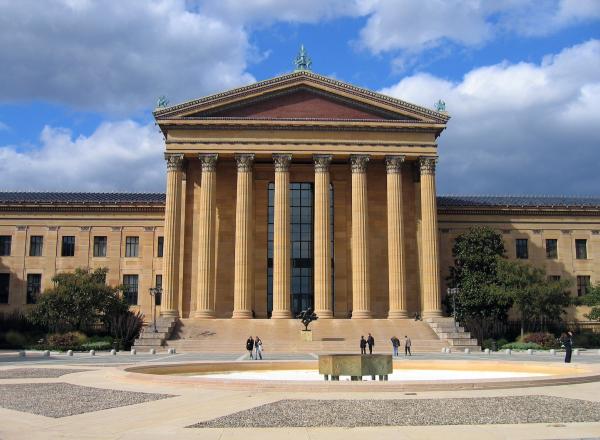
The cultural heritage and history that art museums hold have traditionally made it harder for them to position themselves as vanguards of modernity and progress. In recent years, many institutions have attempted to step more fully into the 21st century with visual and narrative rebrands, but not all to positive reception.
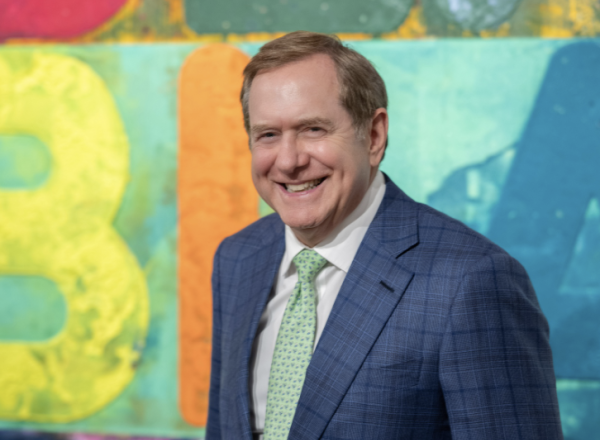
When I went to first grade, as an only child, my mother, Arlene Schnitzer, enrolled in the Portland Art School. Her teachers complained to her that there was no contemporary art gallery there. This was the early 1960s. So she opened the Fountain Gallery of Art, to concentrate on artists of the Pacific Northwest and the San Francisco Bay area. As a third-grader, I was looking into a corner and there was a funny cabinet there: I saw that there were these tiny print drawers. I pulled one out and started looking at a beautiful fuchsia print.
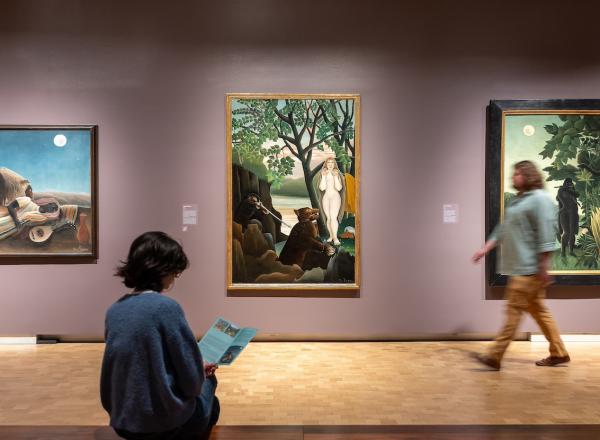
The Barnes Foundation's Henri Rousseau: A Painter’s Secrets is a knockout. If you aren’t familiar with his work– though you likely have seen his masterpiece, The Sleeping Gypsy (1897), borrowed from MoMA for the occasion– this show is a must-see. And, even if you think you know Rousseau, the exhibition still brims with surprises.