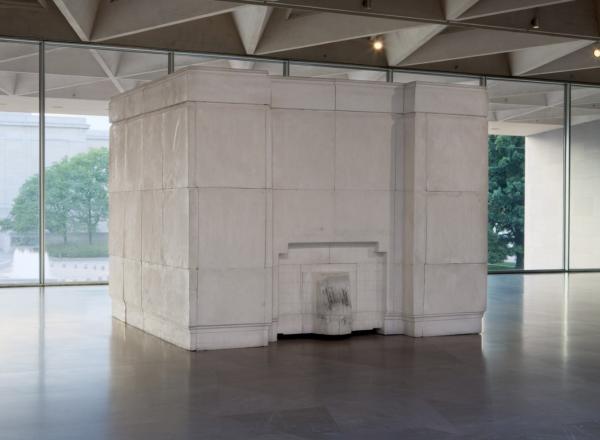
Through her iconic casts of domestic objects and spaces, Rachel Whiteread has created a language of her own, one that subtly tells stories about the quiet moments of our lives and the places they are lived out. Through the more than 100 objects on display in her survey at the National Gallery of Art, it is clear that throughout her 30-year career, Whiteread has honed this voice, and used it to tap into our intimate memories and feelings related to home.
Art News
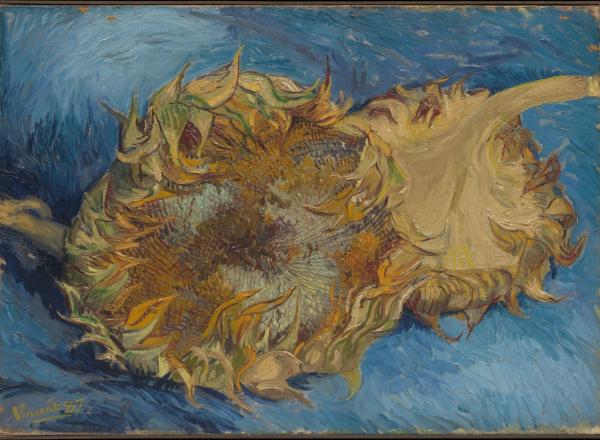
The Metropolitan Museum of Art has all of their Vincent Van Gogh masterpieces under one roof for the first time in years. The Met owns sixteen Van Gogh's, the largest collection in North America. The works are frequently out on loan for exhibitions at other institutions around the world.

Opening Friday at the Minneapolis Institute of Art (Mia), Sara Cwynar: Image Model Muse uses film, collage, and composite photographs to examine how design and popular images impact our psyches, affect our social and political realities, and mold our conceptions of beauty.
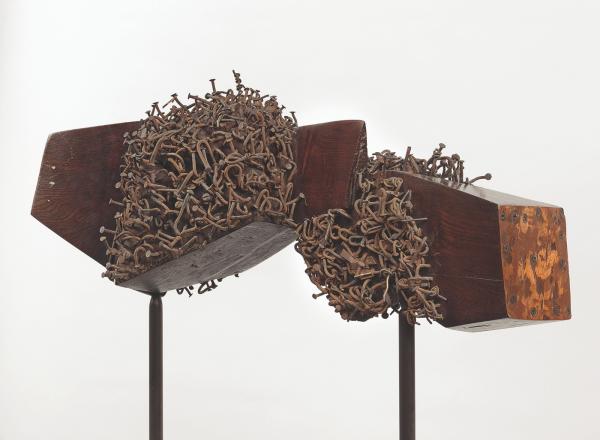
An extensive exhibition at the Met Breuer, "Odyssey: Jack Whitten Sculpture 1963–2017" introduces viewers to the acclaimed painter’s previously unknown sculpture. A groundbreaking innovator in abstract painting, Whitten also created striking sculpture, utilizing wood, nails, fish bones, and other materials.

Sculptor, musician, and computer programmer, Christopher Schardt, talks about "Nova," his installation of programmable LED lights that respond in psychedelic patterns to classical musical accompaniment.
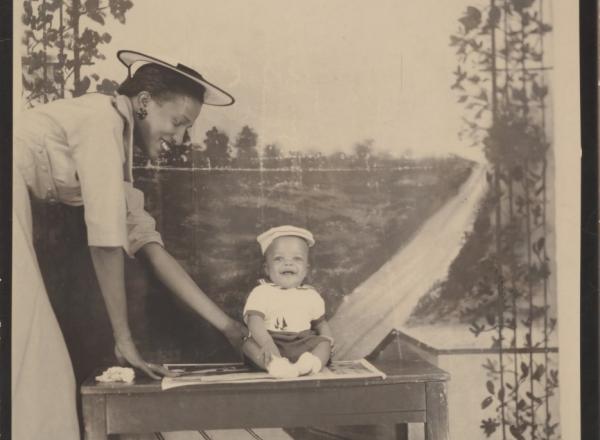
Vernacular photographs are the lifeblood of affirmative self (re)presentation. For African-Americans, whose relationship with photography has always been complicated—stemming from, among other things, the difficulty with which photographic technology registers melanated skin (see Shirley cards)—portraits are not only personal, but political. Until October 8, the exhibition, African American Portraits: Photographs from the 1940s and 1950s will be on view at The Met Fifth Avenue.
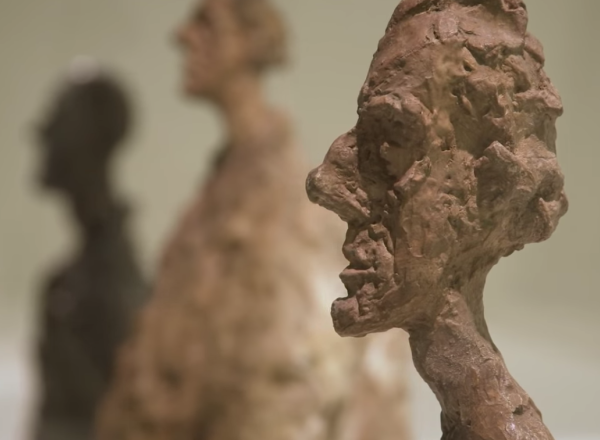
The creation of each Guggenheim exhibition involves many people, and all of them bring different kinds of technical expertise to the installation process. For two decades, Derek DeLuco, Senior Technician and Mount Maker at the Solomon R. Guggenheim Museum in New York, has made mounts for the art on view at the museum—an undertaking that requires patience, ingenuity, and a good eye. In this video, he describes some the of mounts created for the Giacometti exhibition and explains that the mount should not be a distraction when viewing the art.
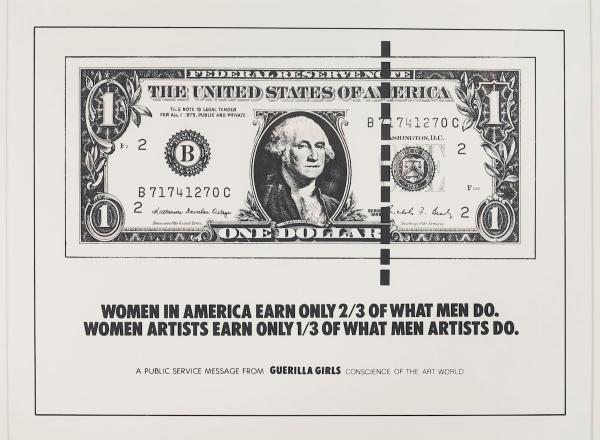
Inspired by a 1989 Guerrilla Girls poster stating, “You’re seeing less than half the picture without the vision of women artists and artists of color,” a new exhibition at the Brooklyn Museum helps viewers get woke. It examines major works, new acquisitions, and rediscoveries in the Museum’s collection through an intersectional feminist lens. Half the Picture: A Feminist Look at the Collection highlights over fifty artists who use their art to advocate for race, gender, and class equality.
Dr. Beth Harris and Dr. Steven Zucker discuss the classical marble sculptures Dying Gaul and Gaul killing himself and his wife (The Ludovisi Gaul). Both are 1st or 2nd century C.E. Roman copies of Third Century B.C.E. Hellenistic bronzes that commemorate Pergamon's victory over the Gauls, and were likely made for the Sanctuary of Athena at Pergamon. Though held in separate museums in Rome (Musei Capitolini and Palazzo Altemps, Museo Nazionale Romano, respectively), they are believed to be companion pieces.
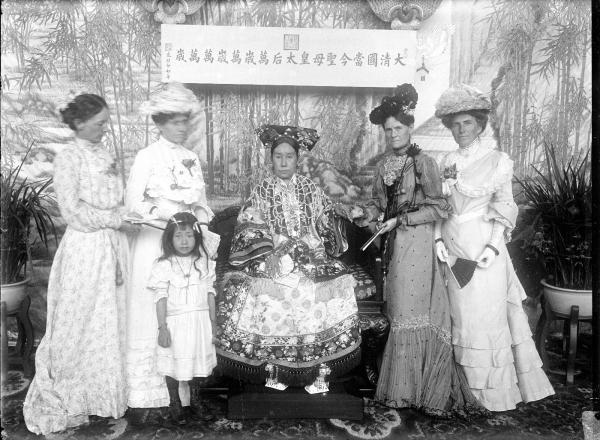
Currently at the Peabody Essex Museum (PEM), Empresses of China’s Forbidden City is the first ever international exhibition to explore female power and influence during China’s last dynasty.